
Search
Showing results for "Childhood interstitial lung disease "
This paper provides the first causal evidence on the impact of retirement on housing choices. Our empirical strategy exploits the discontinuity in the eligibility ages for state pension as an instrument for the endogenous retirement decision and controls for time-invariant individual characteristics. The results show that retirement leads to a statistically significant and sizable increase in the probability of making a residential move or the likelihood of becoming outright homeowners.
Infants with KMT2A-rearranged B-cell acute lymphoblastic leukemia (ALL) have a dismal prognosis. Survival outcomes have remained static in recent decades despite treatment intensification and novel therapies are urgently required.
Mental health concerns present significant challenges for Australian youth. Arts organizations play a key role in promoting preventative mental health strate-gies through enhancing the social and emotional well-being (SEWB) of youth. However, little is known about how the arts promote SEWB and the processes and contexts through which this occurs.
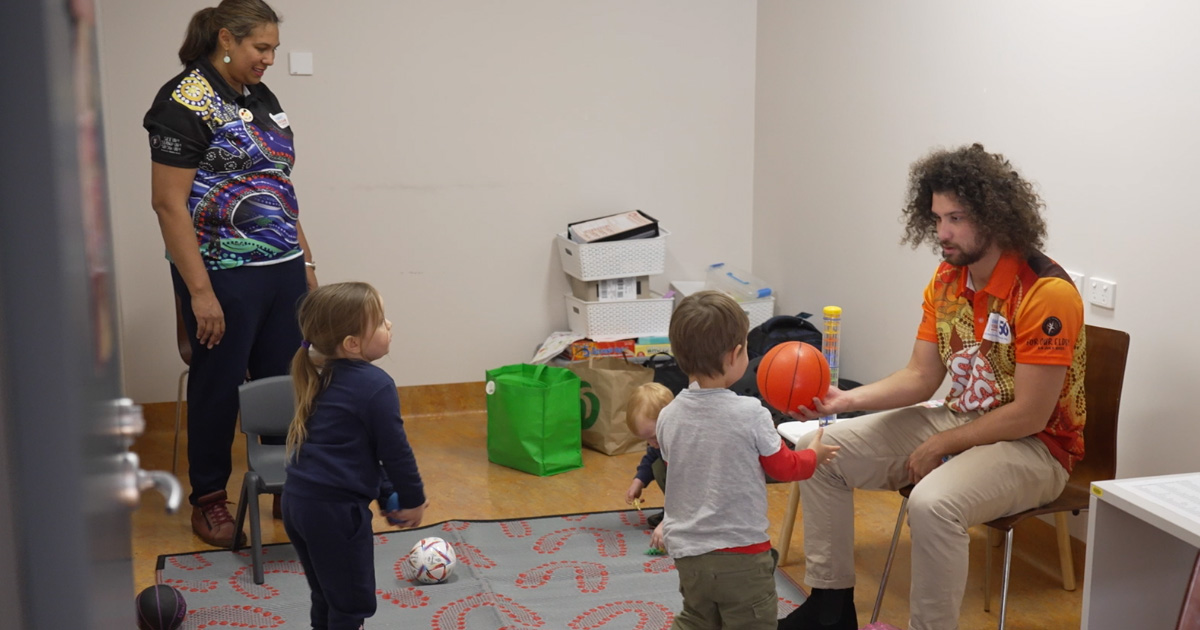
Complex health needs of Indigenous children are being fast-tracked by a unique project designed to reduce red tape and deliver timely paediatric services.
Describe the epidemiology of Staphylococcus aureus bacteremia in children and adolescents younger than 18 years from Australia and New Zealand
Australia does not have a national strategy for Aboriginal and Torres Strait Islander adolescent health and as a result, policy and programming actions are fragmented and may not be responsive to needs. Efforts to date have also rarely engaged Aboriginal and Torres Strait Islander people in co-designing solutions. The Roadmap Project aims to work in partnership with young people to define priority areas of health and well-being need and establish the corresponding developmentally appropriate, evidence-based actions.
The Australian and New Zealand Paediatric Infectious Diseases (ANZPID) Group of the Australasian Society for Infectious Diseases (ASID) calls for urgent consideration of the needs and voices of children in response to the COVID-19 pandemic, and in planning for future pandemics.
Mental health conditions and problems are often reported in children and adolescents with CP. A systematic review was undertaken to describe their prevalence.
Protecting your privacy is important to us. This policy explains how The Kids Research Institute Australia collects, uses, and safeguards your personal information.
o help raise the profile of student wellbeing in the education system in Australia, The Kids Research Institute Australia and SA Department for Education through the Fraser Mustard Centre, set out to adapt and trial a population-level student wellbeing measure that could be used across the entire public and p