
Search
Showing results for "mental health aboriginal"
Previous studies have reported that mode of delivery, particularly cesarean delivery is associated with neurodevelopmental outcomes in children. This study evaluates behavioral and neuropsychological test scores in children based on mode of delivery.
The Australian Rett Syndrome Study is based at The Kids Research Institute Australia located in Subiaco, Western Australia. This study was established in 1993.
The Western Australian Epithelial Research Program (WAERP) biobank is undertaking a number of research projects intended to improve the understanding and preclinical assessment of therapeutics for respiratory conditions.
While chemotherapy remains the first-line treatment for many cancers, it is still unclear what distinguishes responders from non-responders. Here, we characterize the chemotherapy-responsive tumor microenvironment in mice, using RNA sequencing on tumors before and after cyclophosphamide, and compare the gene expression profiles of responders with progressors.
Human immunodeficiency virus and acquired immune deficiency syndrome (HIV/AIDS) is still among the leading causes of disease burden and mortality in sub-Saharan Africa (SSA), and the world is not on track to meet targets set for ending the epidemic by the Joint United Nations Programme on HIV/AIDS (UNAIDS) and the United Nations Sustainable Development Goals (SDGs).
An estimated 3.5%-5.9% of the global population live with rare diseases, and approximately 80% of these diseases have a genetic cause. Rare genetic diseases are difficult to diagnose, with some affected individuals experiencing diagnostic delays of 5-30 years. Next-generation sequencing has improved clinical diagnostic rates to 33%-48%. In a majority of cases, novel variants potentially causing the disease are discovered.
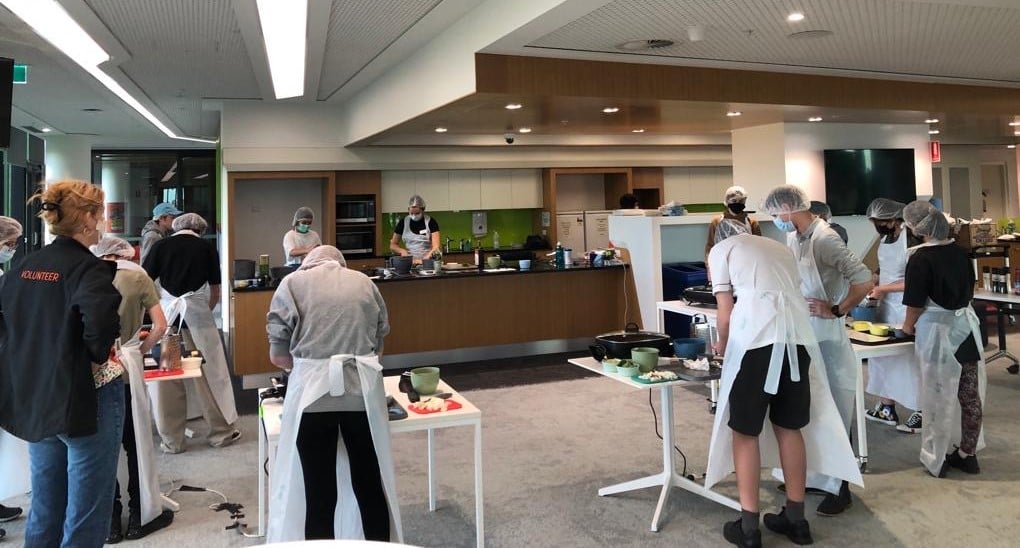
An innovative cooking program, the first of its kind in Australia, is being offered at Perth Children’s Hospital, combining nutrition education and practical cooking skills for teenagers living with type 1 diabetes (T1D).
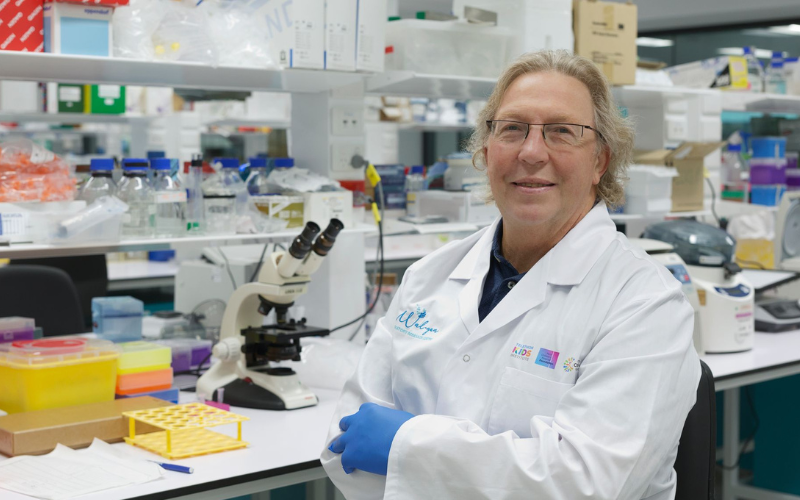
A project to be undertaken by a team of researchers at the Wal-yan Respiratory Research Centre, led by chief investigator Professor Stephen Stick, aims to develop interventions that could provide protection in the event of a new pandemic, and against common viruses already infecting children in WA.
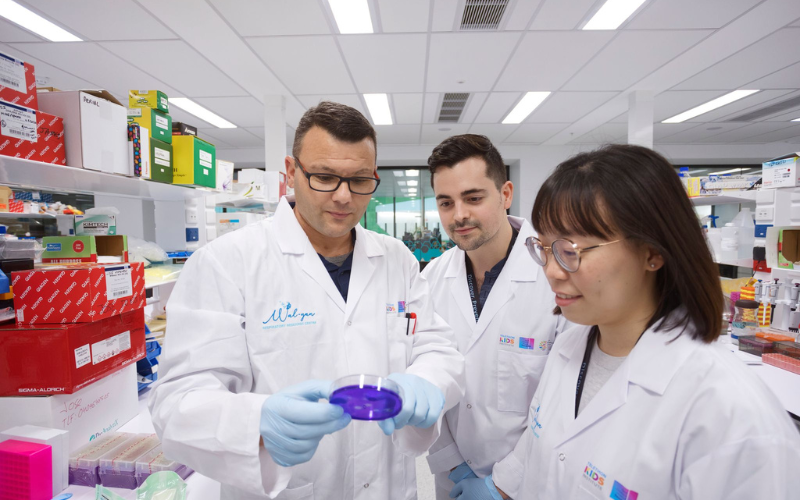
Patients with lung infections that are not responding to antibiotics will be treated with phage therapy as part of a translational trial program to be undertaken by world-recognised experts in this field.
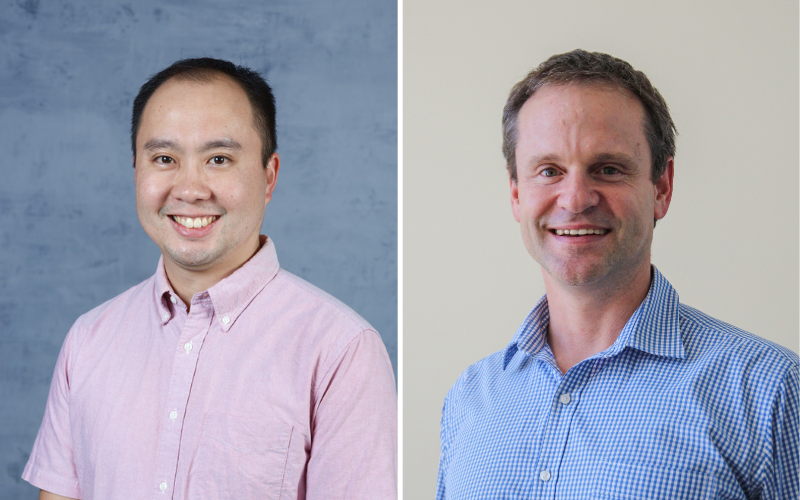
Wal-yan Respiratory Research Centre researchers will use almost $1.2 million in WA Child Research Fund grants to determine why Indigenous children develop bronchiectasis at such high rates after contracting bronchiolitis, and to test a promising novel treatment for respiratory syncytial virus (RSV).