
Search
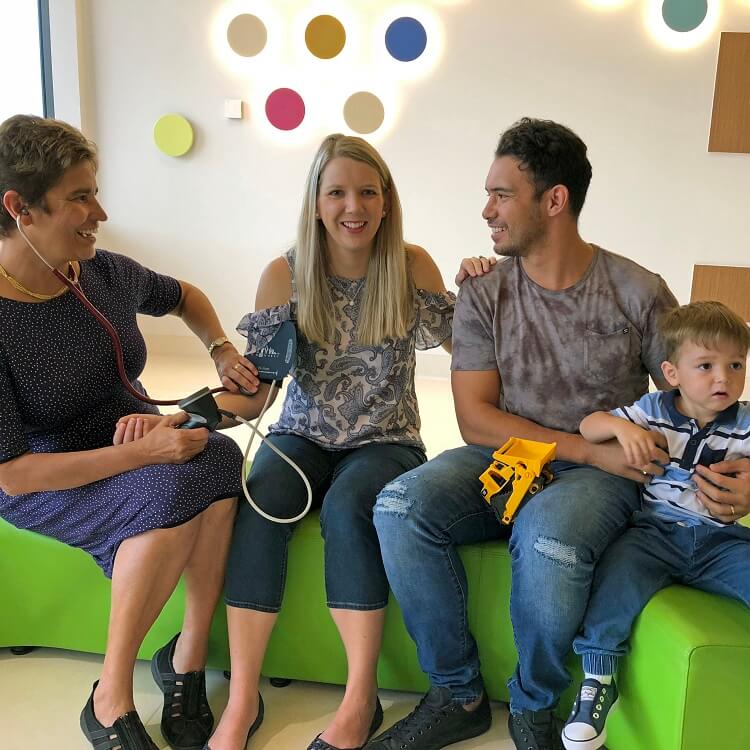
ORIGINS, a collaboration between The Kids and the Joondalup Health Campus, has achieved a major milestone – recruiting its 1000th family.
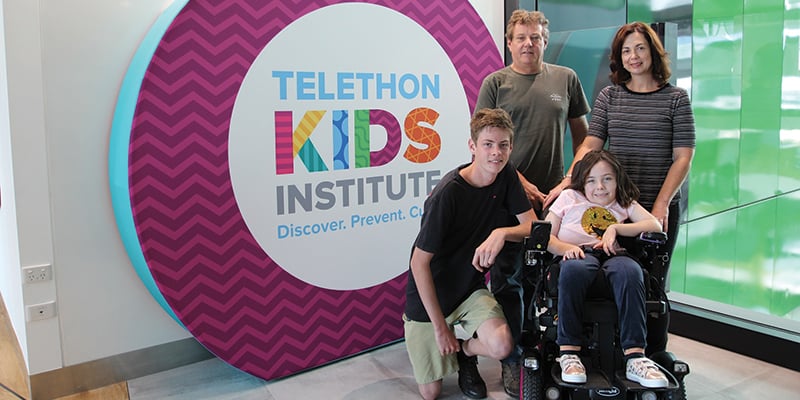
Mackenzie Crane was 10 months old when her parents, Jodie and Scott, were given the life-changing news that their daughter would never walk.
The Kids Research Institute Australia researchers have been awarded more than $8 million in prestigious project grants from the NHMRC.
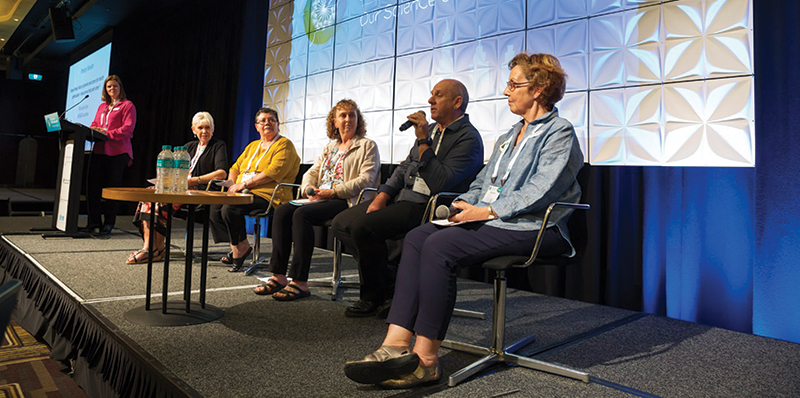
Held every two years, the Australasian FASD Conference is a significant and unifying event for those in the Fetal Alcohol Spectrum Disorder sector.
The predisposition to food allergy development and the induction of allergen-specific immune responses appears to be initiated early in infancy. Early exposure to food allergens, such as peanut and cashew nut, via human milk is likely important in initiating oral tolerance and reducing risk of food allergy development. This trial aims to determine if the risk of developing peanut and cashew nut allergy during infancy can be reduced by a high peanut and cashew nut maternal diet during lactation.
The pivotal phase 3 EPITOPE trial, a 12-month, double-blind, placebo-controlled study of epicutaneous immunotherapy with the VIASKIN patch containing 250 μg of peanut protein (VP250), previously reported significant treatment response versus placebo in peanut-allergic toddlers aged 1 through 3 years.
Australia has one of the highest rates of food allergy, anaphylaxis hospital admissions and anaphylaxis fatalities worldwide. These trends and sustained advocacy prompted a 2019 Parliamentary Inquiry into Allergies and Anaphylaxis. Among 250 submissions, the Centre for Food Allergy Research called for a national research-coordinating centre and comprehensive allergy research funding.

Children living in Papua New Guinea have good reason to call Clinical Associate Professor Deborah Lehmann ‘Mama Deb’.
The Australasian Society of Clinical Immunology and Allergy (ASCIA) Guideline: Infant Feeding for Food Allergy Prevention is an update of the 2016 ASCIA guideline. This updated guideline provides recommendations specifically in relation to infant feeding for food allergy prevention.
Few studies have examined long-term outcomes following oral immunotherapy; none have examined long-term risks and benefits associated with distinct clinical outcomes (desensitization, remission).
Reasons for Th2 skewing in IgE-mediated food allergies remains unclear. Clinical observations suggest impaired T cell activation may drive Th2 responses evidenced by increased atopic manifestations in liver transplant patients on tacrolimus (a calcineurin inhibitor). We aimed to assess differentiation potential, T cell activation and calcium influx of naïve CD4+ T cells in children with IgE-mediated food allergies.
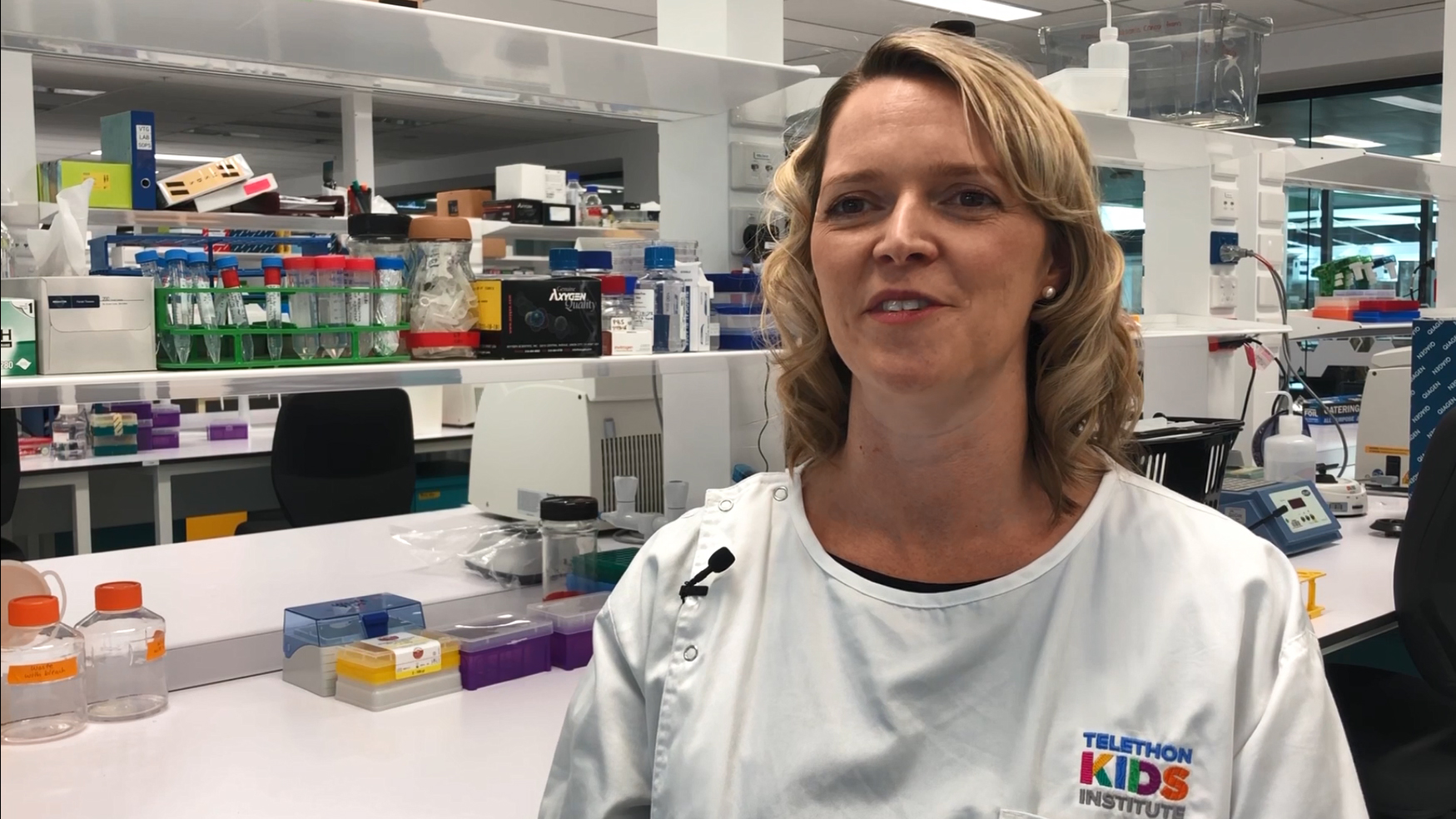
Analysing samples is a vital part of research, providing the answers needed to move forward with innovative new treatments and life- saving vaccines.
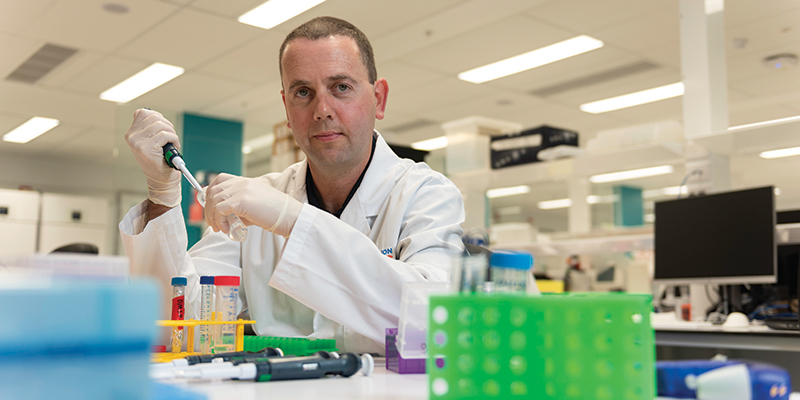
Cancer research is being reimagined after a collaboration between The Kids Research Institute Australia, the Peter Doherty Institute for Infection and Immunity.
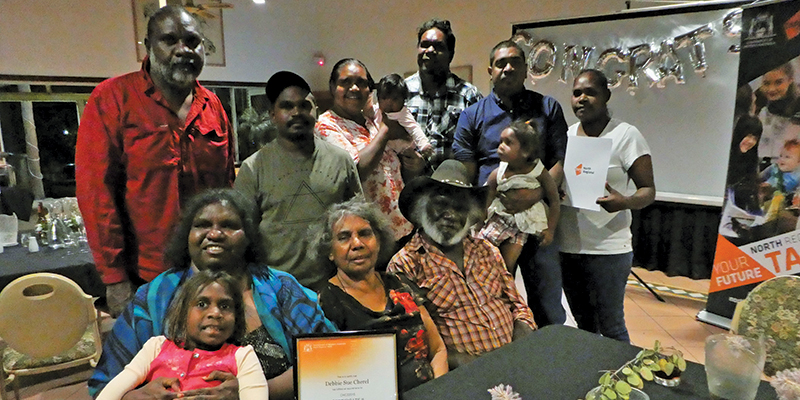
Five Fitzroy Crossing women have been awarded qualifications after working with The Kids Research Institute Australia’s Alcohol and Pregnancy & FASD Research Team.

Jessica’s young life has been touched by domestic violence, sexual assault, addiction and hospital psychiatric admissions.
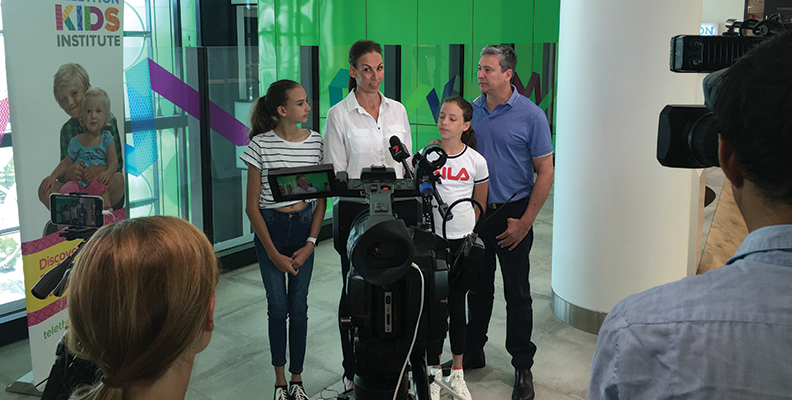
The Kids Research Institute Australia spin-off company, Respirion, received $20 million in funding to develop a promising new therapy.

The Child Development Atlas is proving popular even before its official launch - bringing together government services.

The two-year study, which was the first in Australia to assess and diagnose young people in a youth custodial setting for Fetal Alcohol Spectrum Disorder.