
Search
Showing results for "mental health aboriginal"
Identified romidepsin as a promising therapeutic for mixed lineage leukemia (MLL)-rearranged infant acute lymphoblastic leukemia
Research shows teenagers who drink more than one can of sugary drink a day are at higher risk of developing diabetes and cardiovascular disease in later life.
The Tasmanian Government has made a significant commitment in recent years to ensure children have the best possible start in life.
Immunotherapies have revolutionized cancer treatment. In particular, immune checkpoint therapy (ICT) leads to durable responses in some patients with some cancers. However, the majority of treated patients do not respond. Understanding immune mechanisms that underlie responsiveness to ICT will help identify predictive biomarkers of response and develop treatments to convert non-responding patients to responding ones. ICT primarily acts at the level of adaptive immunity. The specificity of adaptive immune cells, such as T and B cells, is determined by antigen-specific receptors.
This protocol describes bilateral murine tumor models that display a symmetrical yet dichotomous response to immune checkpoint blockade
Examining the overlap between genes perturbed in the KD-CAGE experiments and genes with a ChIP-seq peak within 50 kb of their promoter, we identified direct...
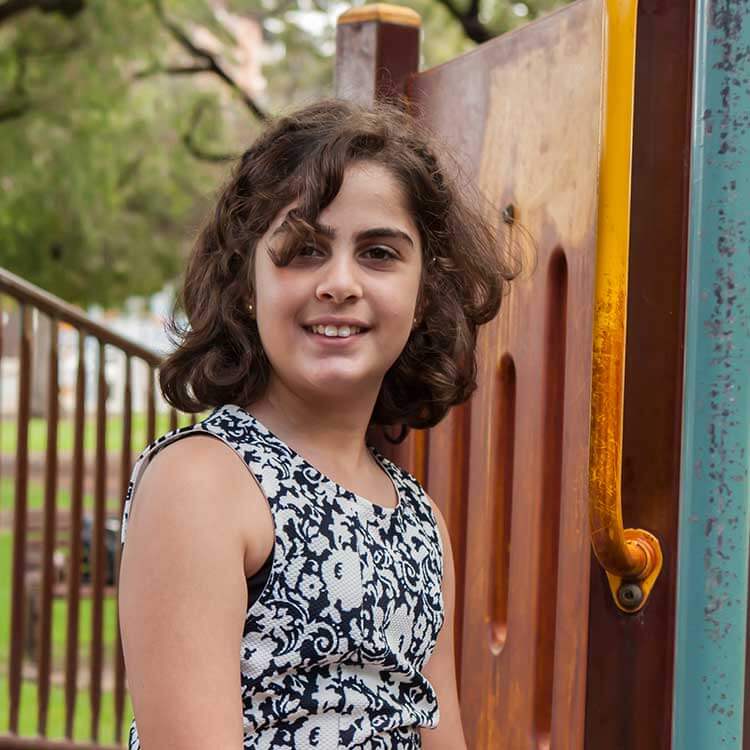
The aim of the Translational Intelligence team is to understand how individual bases in our genome predispose, alter and interact in normal and disease contexts.
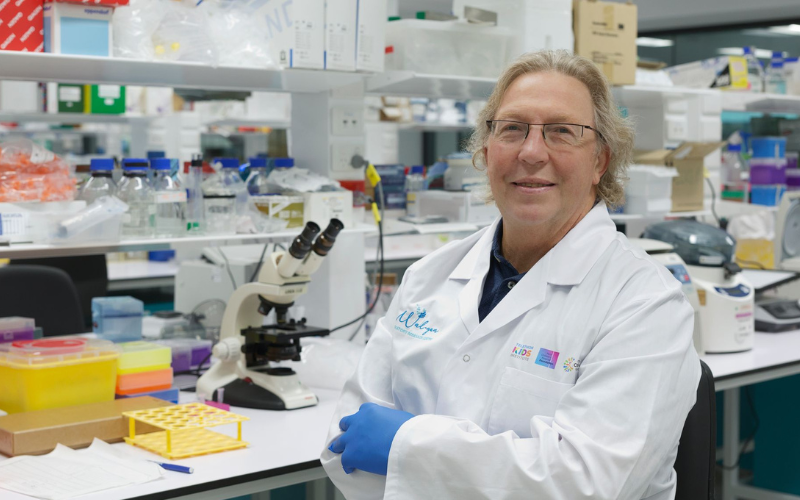
A project to be undertaken by a team of researchers at the Wal-yan Respiratory Research Centre, led by chief investigator Professor Stephen Stick, aims to develop interventions that could provide protection in the event of a new pandemic, and against common viruses already infecting children in WA.
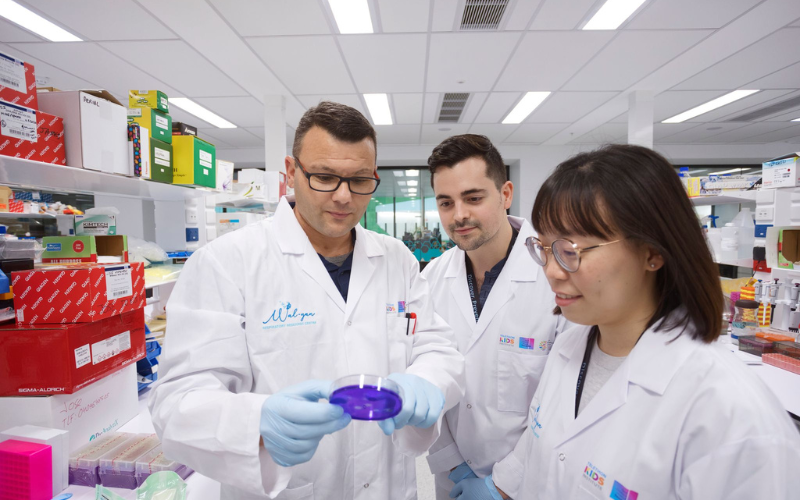
Patients with lung infections that are not responding to antibiotics will be treated with phage therapy as part of a translational trial program to be undertaken by world-recognised experts in this field.
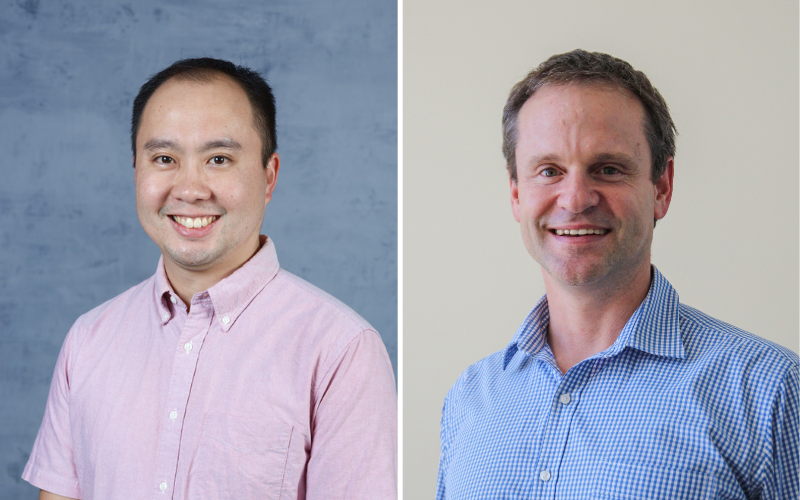
Wal-yan Respiratory Research Centre researchers will use almost $1.2 million in WA Child Research Fund grants to determine why Indigenous children develop bronchiectasis at such high rates after contracting bronchiolitis, and to test a promising novel treatment for respiratory syncytial virus (RSV).