
Search
Showing results for "Childhood interstitial lung disease "
The delay in community transmission of the new Coronavirus in WA, together with the strict, social distancing measures that have been adopted, provide us with an opportunity to observe the level of immunity development to the virus within the community and assess the impact of COVID-19 pandemic on health and well-
We know many families have questions about the risk of COVID-19 to children with type 1 diabetes. To address these questions, Perth Children’s Hospital’s Diabetes Clinic has provided information and resources to help you navigate this tricky period.
Staphylococcus aureus is a common cause of community and health care-associated bacteremia, with authors of recent studies estimating the incidence of S aureus bacteremia (SAB) in high-income countries between 8 and 26 per 100 000 children per year. Despite this, <300 children worldwide have ever been randomly assigned into clinical trials to assess the efficacy of treatment of SAB.
The introduction of a formal medical team to Hospital in the Home (HiTH) demonstrated a positive clinical impact on Parenteral Antimicrobial Therapy (OPAT) patients' outcomes.
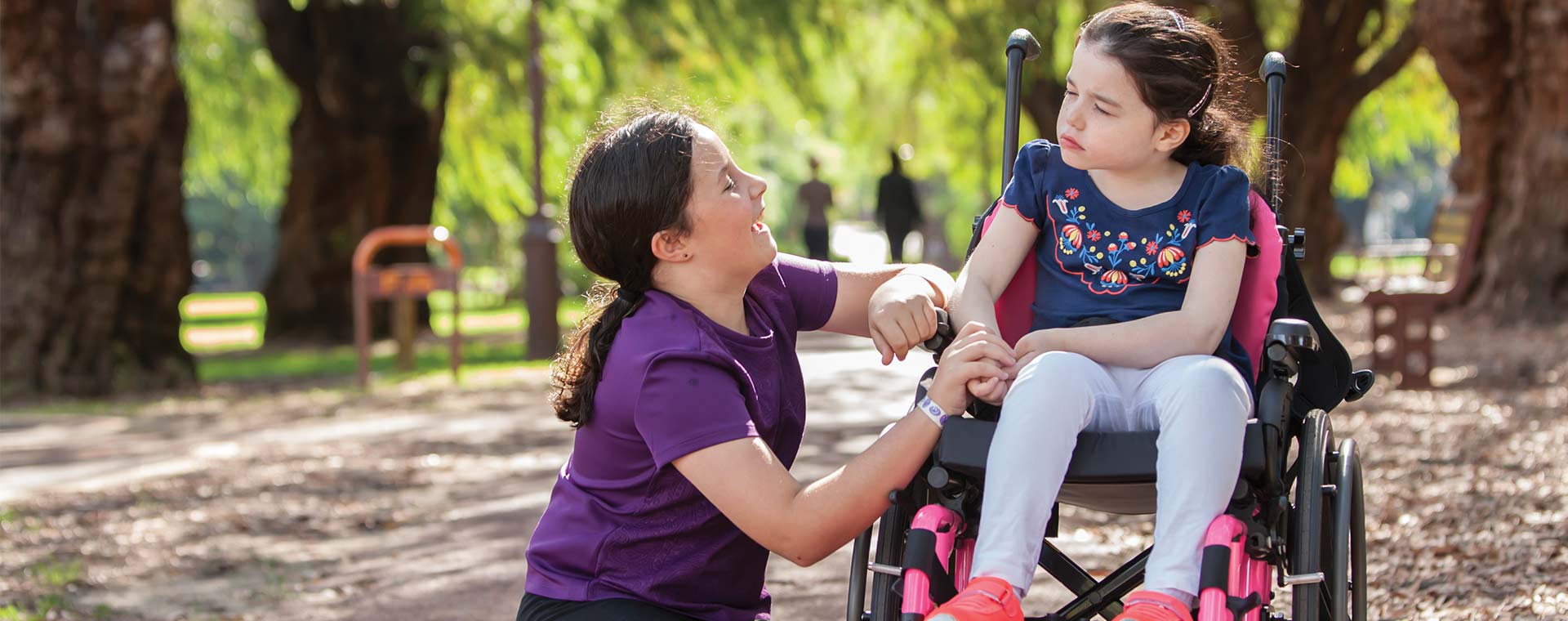
For Perth researcher Ami Bebbington, mathematics is a vital tool in her personal and professional quest to improve the lives of children everywhere.

Perth women are being invited to take part in a global study of an exciting new vaccine that could protect against cervical cancer
Pregnant women are 3 times more likely to die from COVID-19 and over 7 times more likely to be admitted to an intensive care unit with influenza compared to non-pregnant women.
As our Key Relationships Officer, you will be responsible for developing key relationships with donors in support of the Institute’s research mission.
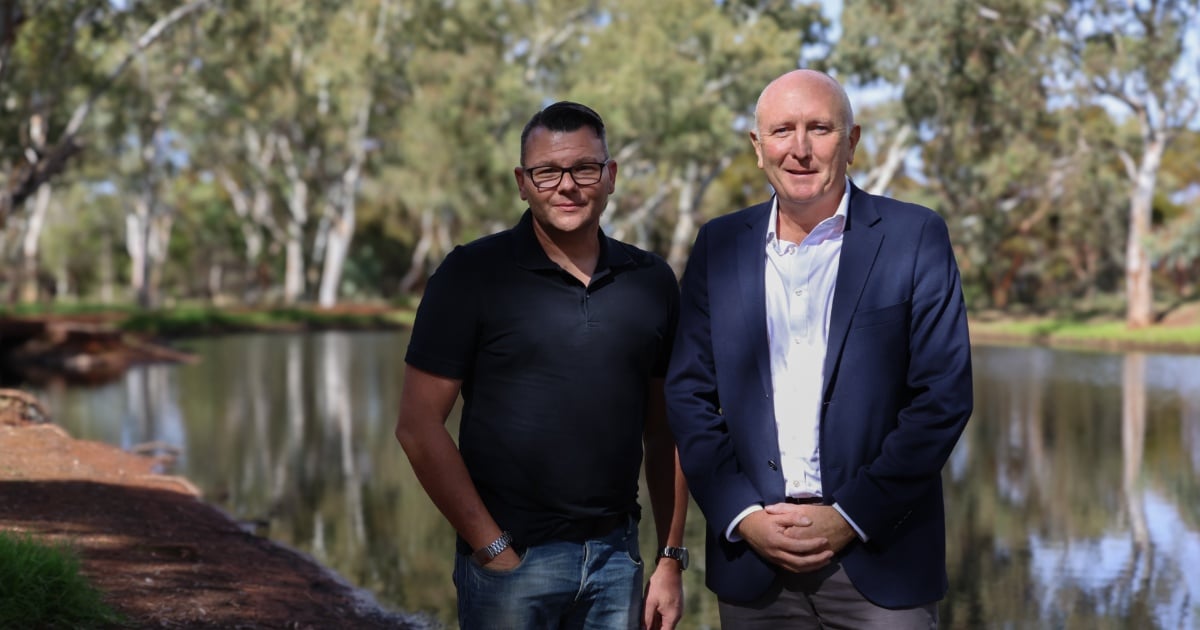
Scientists at The Kids Research Institute Australia are taking their fight against antibiotic- resistant superbugs to the Goldfields working alongside local Indigenous communities and councils.
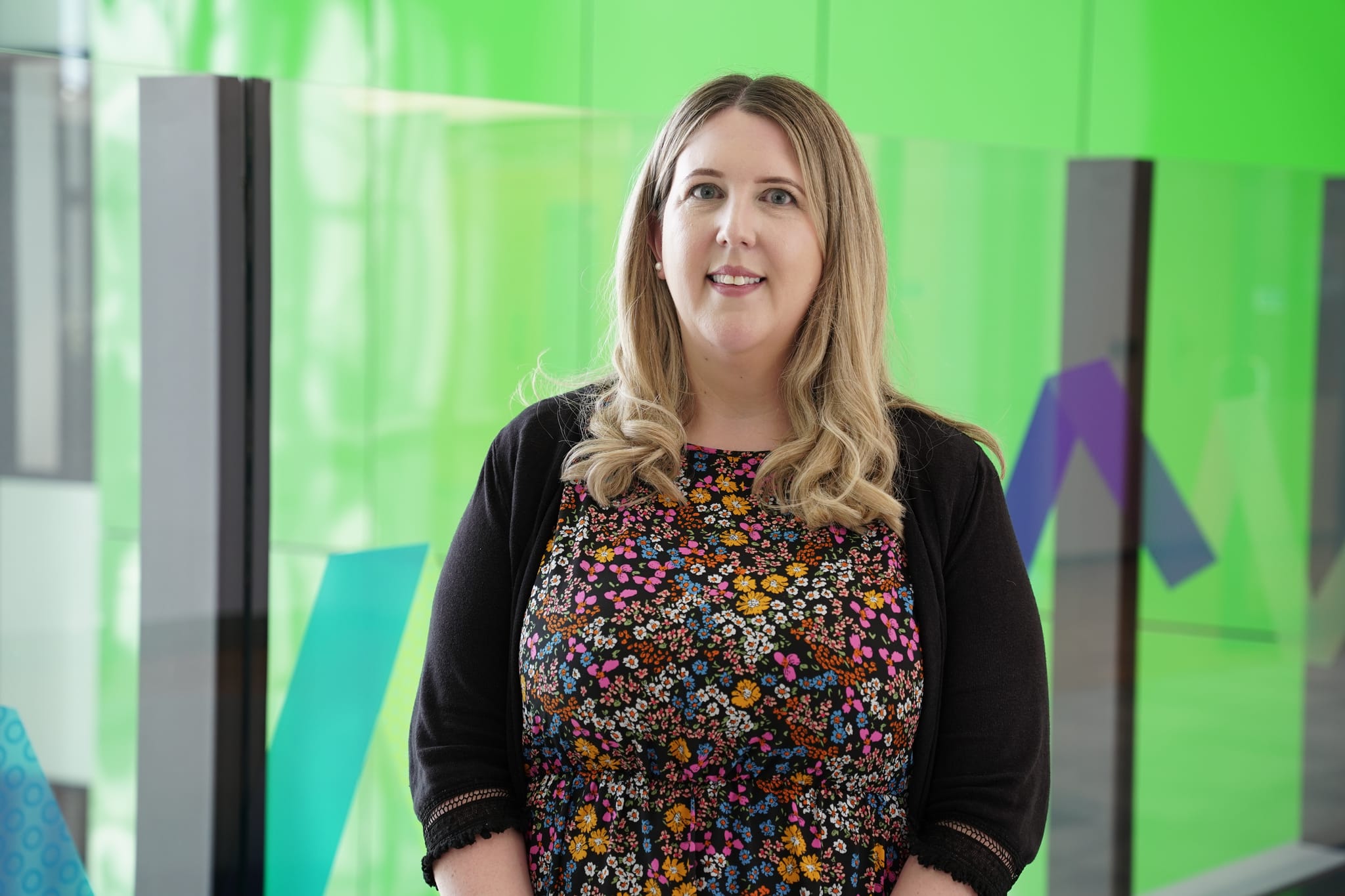
Whooping Cough Day in 2025 has a special significance to Catherine Hughes AM and her family - it marks a decade of dedication to vaccine advocacy after the loss of their four-week-old baby son Riley in 2015.