
Search
Showing results for "Childhood interstitial lung disease "
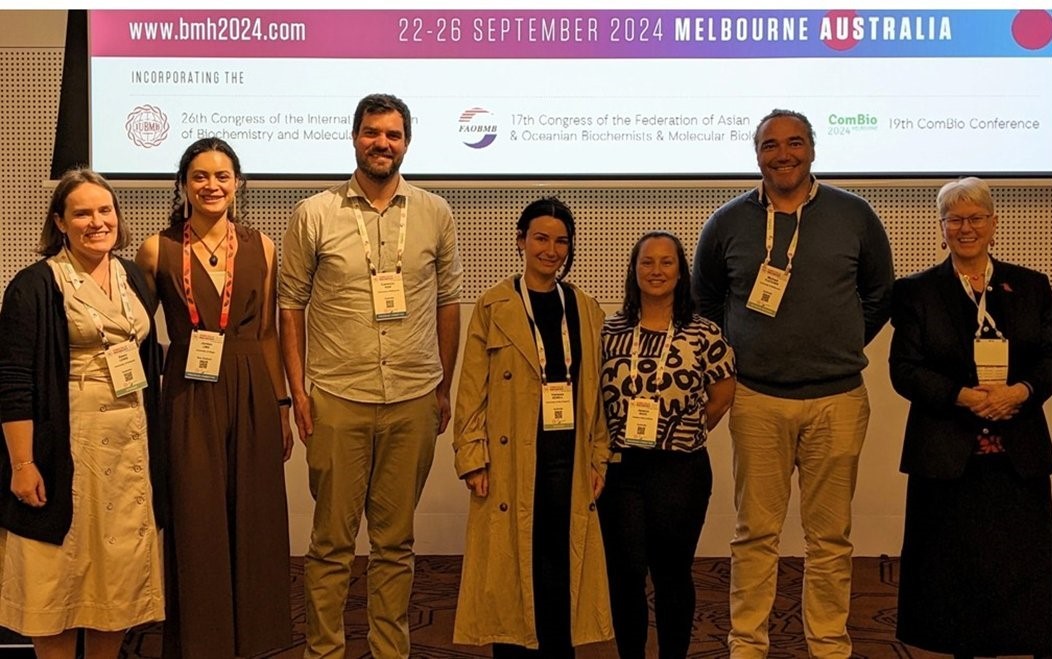
Dr Jessica Buck, a researcher at The Kids Research Institute Australia Cancer Centre and a Kamilaroi woman, is on a mission to address the unique challenges faced by Aboriginal and Torres Strait Islander children with cancer.
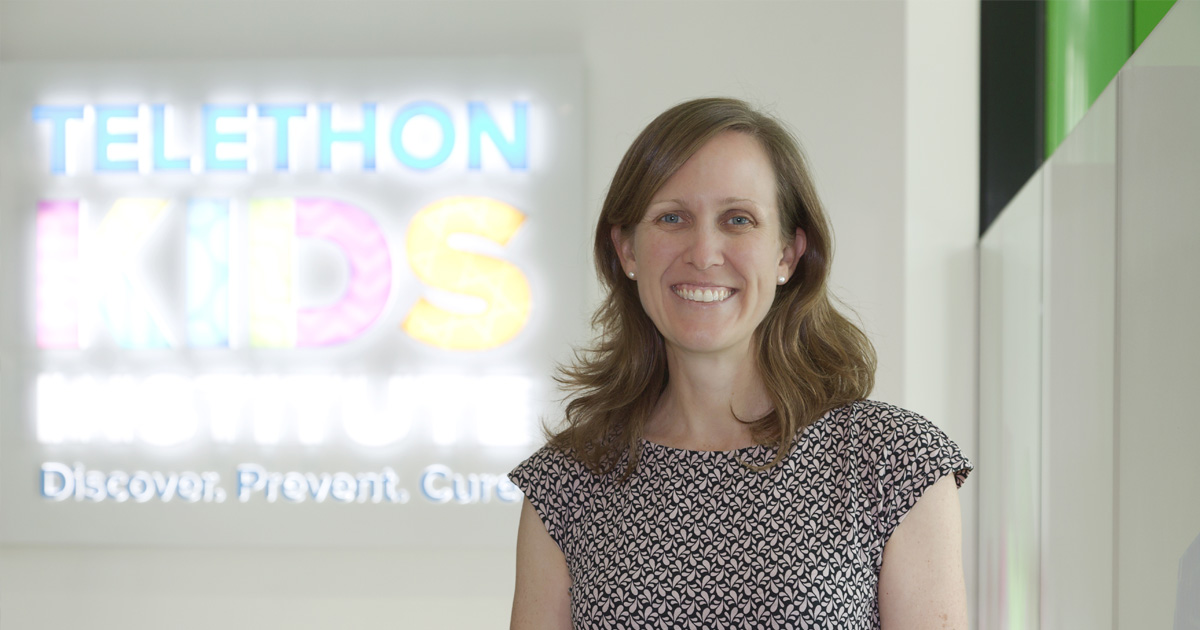
Congratulations to infectious diseases clinician-researcher Professor Asha Bowen, awarded a Medal of the Order of Australia (OAM) in the King’s Birthday Honours List for her service to medicine in the field of clinical diseases.
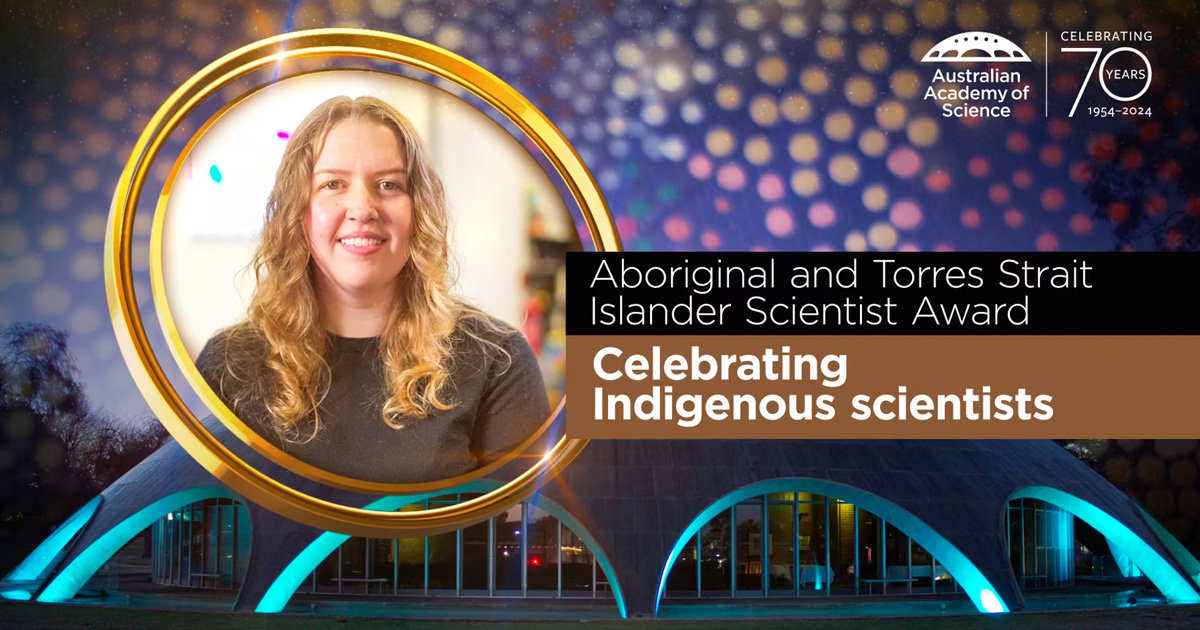
Congratulations to Indigenous genomics researcher Dr Justine Clark, who is one of two scientists nationally to receive the Australian Academy of Science’s 2024 Aboriginal and Torres Strait Islander Science Award.
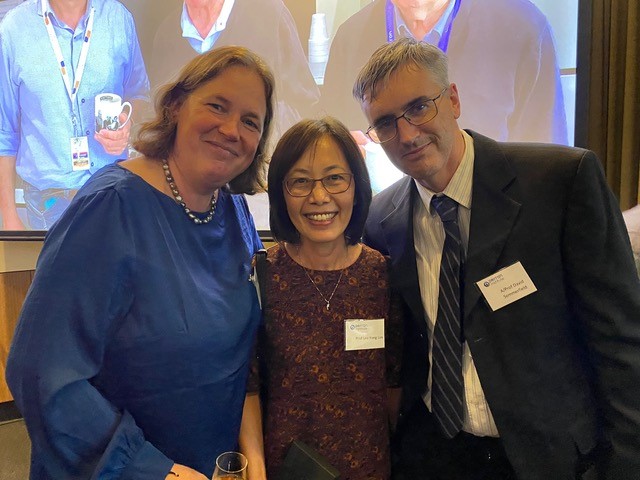
A research team dedicated to making anaesthesia and surgery safer and more comfortable for babies and children has been awarded an inaugural Byron Kakulas Medal by WA’s Perron Institute.
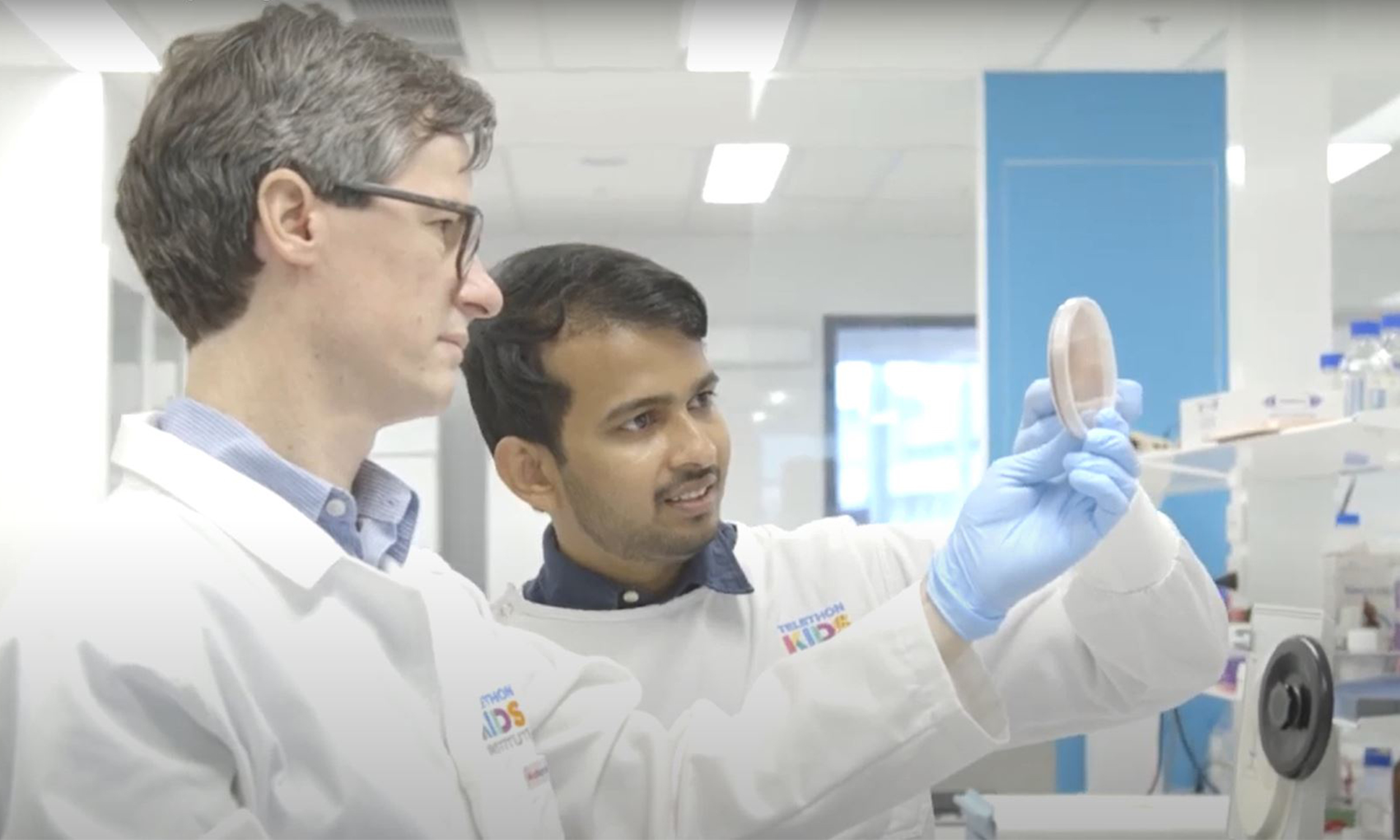
Australian researchers have uncovered a new form of antimicrobial resistance (AMR) – undetectable using traditional laboratory testing methods – in a discovery set to challenge existing efforts to monitor and tackle one of the world’s greatest health threats.
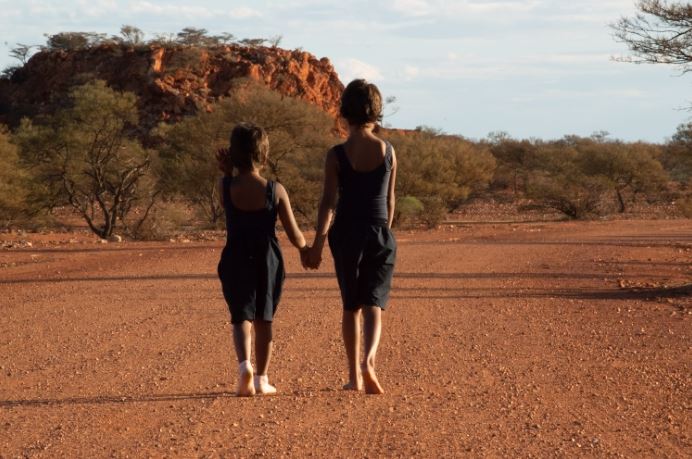
Instant diagnosis and treatment of potentially life-threatening Strep A infections is now very close to reality across Australia’s remote and regional areas thanks to molecular point-of-care testing (POCT) that slashes result times from five days to just minutes.
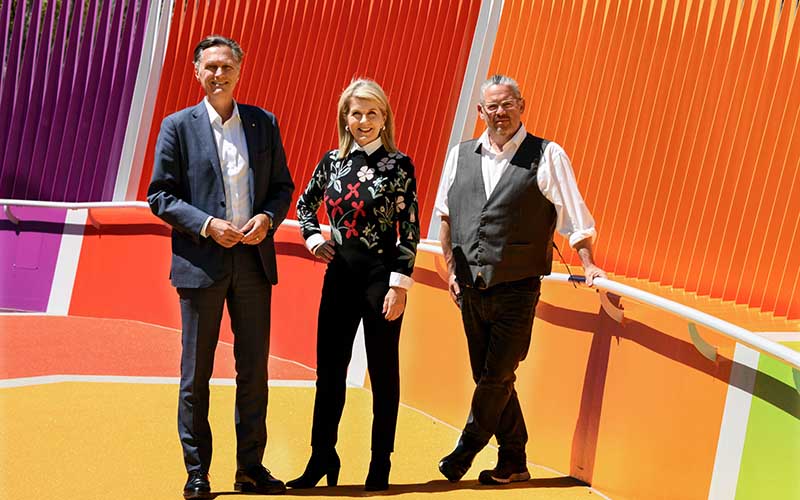
Dr Alex Brown to take up a new appointment as Professor of Indigenous Genomics.

WA’s peak public health and medical experts have united in their call to end the sponsorship of sport by junk food companies.
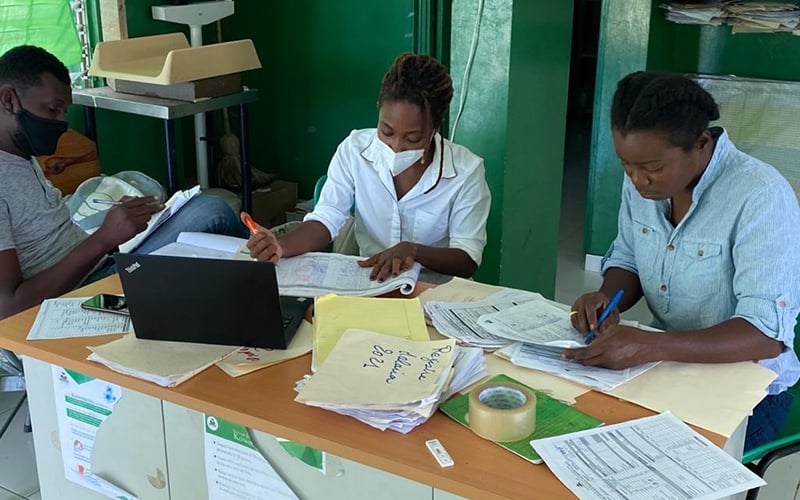
Researchers from The Kids Research Institute Australia in Perth and Tulane University in New Orleans have developed sophisticated data modelling that could help eradicate malaria in Haiti.
Western Australia has been highly successful at containing community spread of COVID-19 to date.