
Search
Strengths-based, tiered, accessible, resources and supports (STARS) for Kids for parent, carers and their children.
This sub-project aims to understand why some people develop long-term health problems after COVID-19 and to identify biological markers that can help doctors predict who is most at risk and how to treat them.
This project aims to investigate the impact of a non-severe burn injury on children's health for life.
As your child starts to lose their baby teeth, you now have a special chance to support exciting new areas of child health research
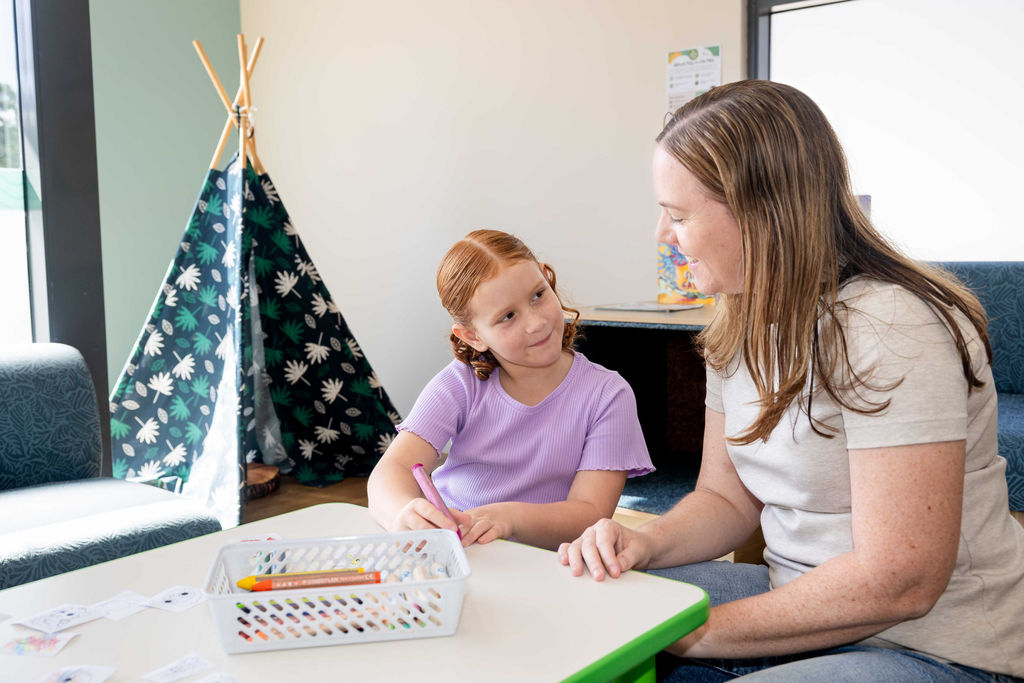
The ACE sub-project is investigating the impact of positive and negative maternal childhood experiences on pregnancy outcomes, and the health and wellbeing of children, with the aim to improve clinician screening and support available to families.

An experimental study linked to the Mums Minds Matter project, which aims to determine if pregnant women's willingness to engage in online wellbeing programs varies across types.
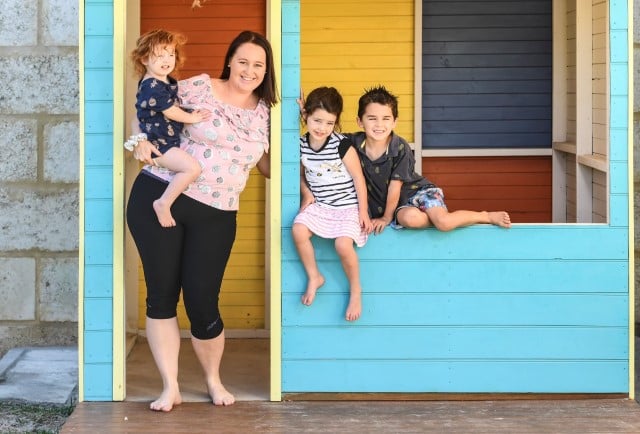
The ORIGINS Community Wellbeing during COVID-19 Project is investigating the impact of the COVID-19 pandemic on emotional wellbeing, family functioning and perceived stress on families.
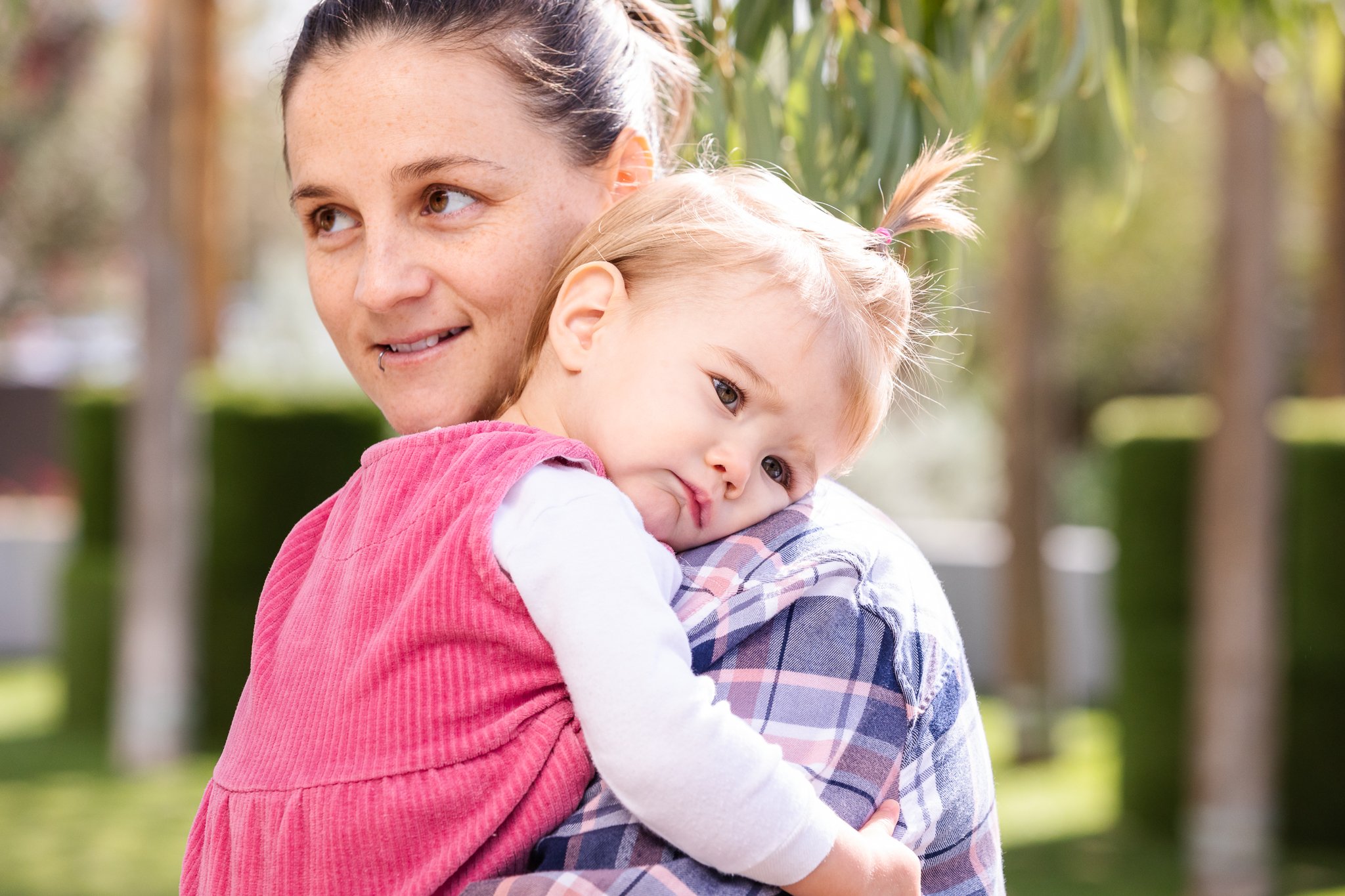
Investigating the association between iron deficiency and quality of sleep in one year old infants.
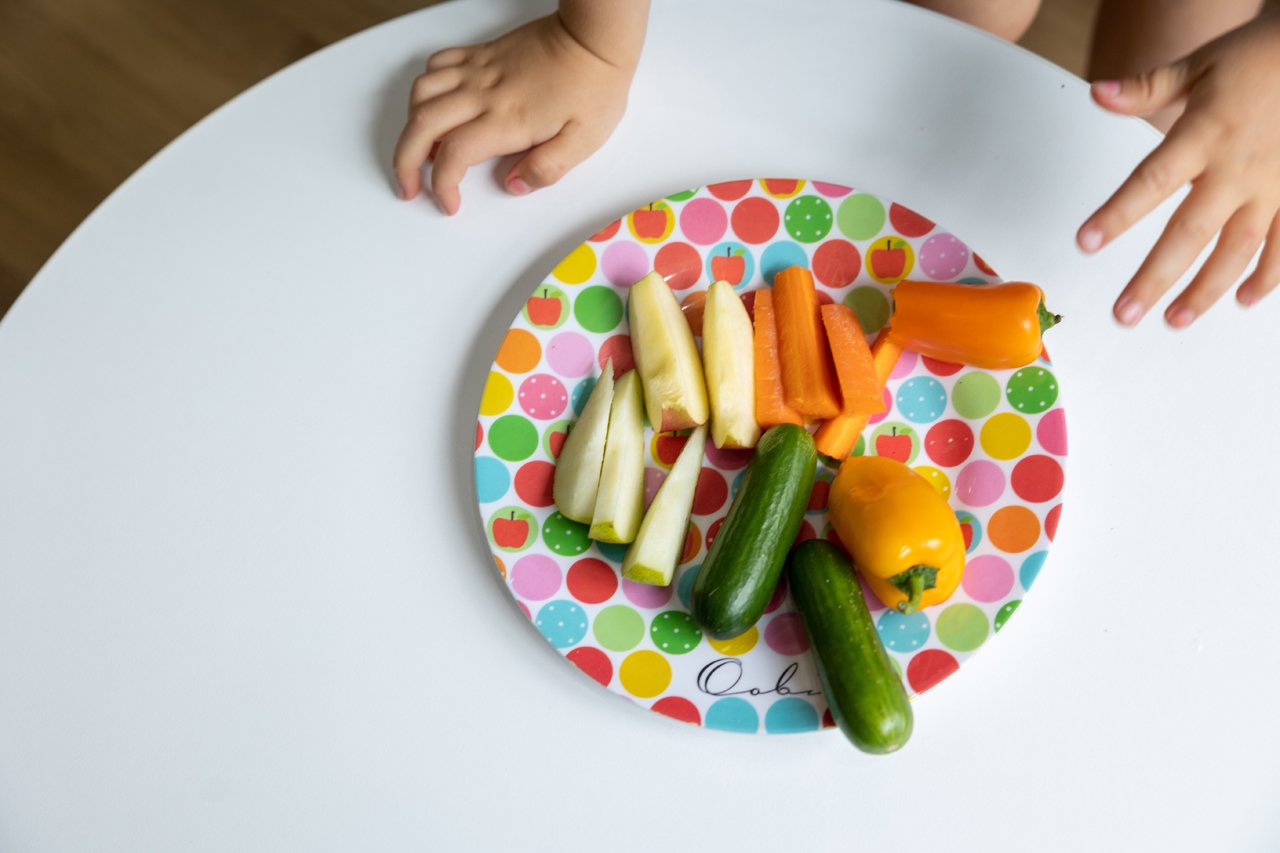
Nutrition in preschool children with autistic behaviours.
Examining whether consuming prebiotic fibre in pregnancy reduces the risk of developing allergic disease in the first three years of life.