Search
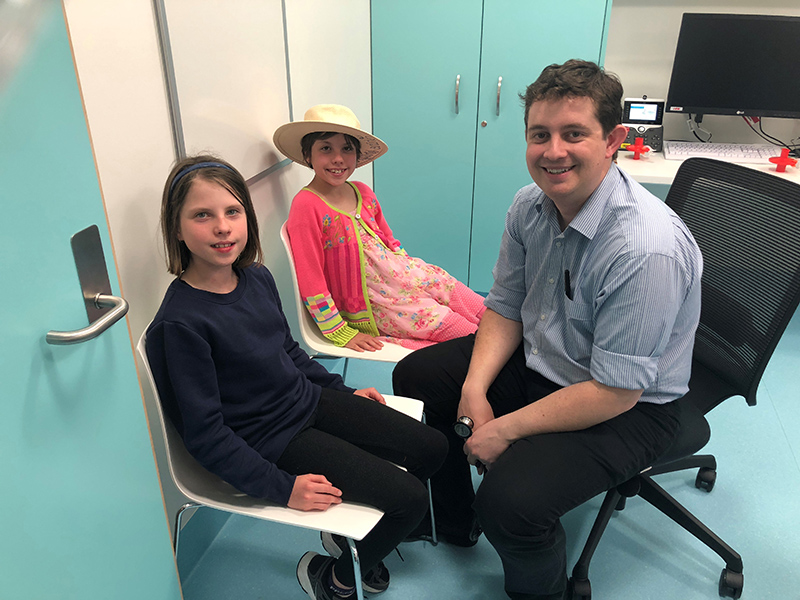
Promptly recognising changes in an acutely unwell child’s condition is fundamental to prevent tragic outcomes. Western Australian (WA) healthcare facilities used inconsistent and varied paediatric early warning systems. To improve care consistency, a standardised ESCALATION system, inclusive of family involvement and sepsis recognition, was developed.
Low tuberculosis (TB) case detection remains a major challenge in achieving the End TB targets. New strategies that consider local contexts are needed in countries with high TB burdens like Ethiopia. This study examined the effect of integrating traditional and modern TB care to increase the TB case detection rate.
SARS-CoV-2 nucleocapsid (N) protein antibodies can be used to identify the serological response to natural infection in those who have previously received a COVID-19 spike-based vaccine. Anti-N antibody responses can also be induced by inactivated whole SARS-CoV-2 virus vaccines, such as CoronaVac. We aimed to characterise antibody responses to the N protein following COVID-19 and following vaccination with CoronaVac.
In this paper, we describe the developmental process of a culturally grounded Moombaki virtual reality (VR) game. We share how Aboriginal children’s drawings have informed the creation of an interactive learning platform for primary school-aged children attending schools in Wadjuk Boodja. The project focused on connecting students to cultural knowledge through immersive storytelling, creative exploration, and collaborative design by using small group yarning circles and game development activities.
Australia's active vaccine safety surveillance system AusVaxSafety monitors a number of vaccines, including Arexvy, by reporting on solicited adverse events following immunisation (AEFI) through an online survey sent to vaccinees 3 days post-vaccination as previously described.3 Here we report on survey responses from adults aged ≥60 years receiving Arexvy at primary healthcare practices or pharmacies, who responded to the survey by day 7 post-vaccination.
Accurately screening fathers for perinatal mental health problems requires well-validated screening instruments that assess the expression of paternal perinatal mental distress. This study aimed to identify and describe the psychometric properties of perinatal mental health screening instruments administered to paternal cohorts within the past two decades.
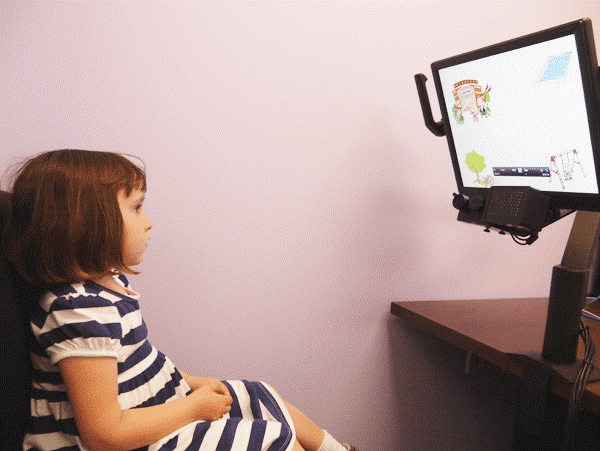
Eye-tracking could expedite autism identification/diagnosis through standardisation and objectivity. We tested whether Gazefinder autism assessment, with Classification Algorithm derived from gaze fixation durations, would have good accuracy (area under the curve [AUC] ≥ 0.80) to differentiate 2-4-year-old autistic from non-autistic children.
Tuberculosis (TB) is caused by Mycobacterium tuberculosis (Mtb) and is a leading cause of death. BCG is the only licensed TB vaccine. Preclinical studies have shown that in adults, intravenous administration of BCG improves protection against TB. We hypothesize that intradermal administration of BCG to the human newborn leads to low-grade BCG bacteremia and that this systemic dissemination improves protection against Mtb infection. This hypothesis is based on supporting observations including animal and human studies. It is a testable hypothesis and offers to deliver immediately actionable insight to advance the global efforts against TB.
Most outdoor food advertising (e.g. billboards and bus stops) features foods that are considered unhealthy. The most important technical challenge when designing policies to restrict unhealthy outdoor food advertising is defining 'unhealthy food'. To date, most restriction policies have used nutrient profiling models (i.e. foods are classified according to their nutritional composition) to determine which foods and beverages may be advertised. In Australia, state governments have endorsed a food category-based classification system, with no prescribed nutrient limits, which may create ambiguity when multiple users are identifying food advertisements to be restricted.
When investigating whether a variant identified by diagnostic genetic testing is causal for disease, applied genetics professionals evaluate all available evidence to assign a clinical classification. Functional assays of higher and higher throughput are increasingly being generated and, when appropriate, can provide strong functional evidence for or against pathogenicity in variant classification. Despite functional assay data representing unprecedented value for genomic diagnostics, challenges remain around the application of functional evidence in variant curation.