
Search
Showing results for "Childhood interstitial lung disease "
To investigate the follow-up and outcomes of HIV-exposed infants in a setting of low HIV prevalence. This was a multicenter, retrospective study of live-born infants of women known to be living with HIV, at 9 tertiary pediatric centers in Australia and New Zealand from 2009-2025. Antenatal, perinatal, and postnatal data, and outcomes at clinic visits to 18 months of age were collected, including co-morbidities, development, and HIV results.

In 2006, when a Japanese scientist building on the earlier work of a British biologist discovered a way to reprogram adult cells into other cell types – making them ‘pluripotent’ – the scientific world was entranced.
Convalscent plasma (CP) was identified as a potential therapy for COVID-19 available early in the pandemic.
Physical activity can support physical and mental health among children living with chronic health conditions; however, programmes must be tailored to their specific needs to support participation.
Vaccine hesitancy and suboptimal vaccine uptake pose significant threats to public health, but modifiable psychological factors underpinning them are under-investigated. We examined the prevalence of spontaneous emotional mental imagery relating to infectious diseases and perinatal vaccines and its unique associations with vaccine hesitancy and uptake behaviour.

Our researchers are trying to learn more about the effect different types of food have on blood glucose levels and how to give the best insulin dose to manage a variety of foods.

Julian Harrison
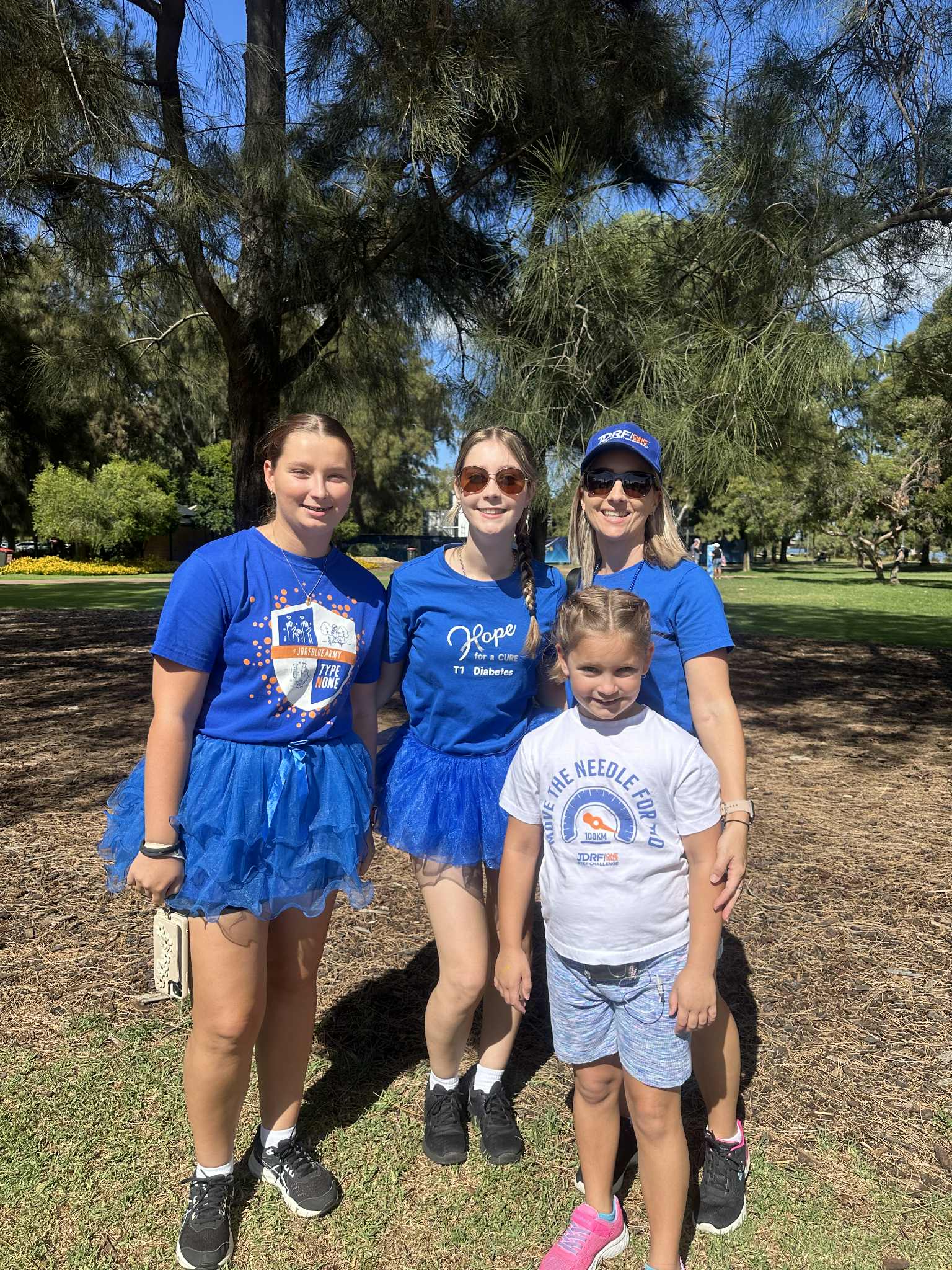
We recently celebrated National Carers Week! A time to recognise and raise awareness for the more than 3 million Australians who provide care to a family member or a friend.
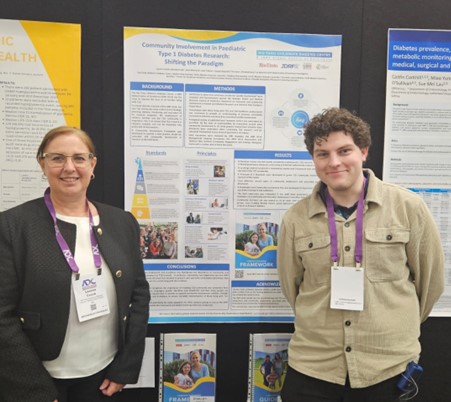
Our team had a few busy days presenting posters, chairing expert panels, delivering presentations and catching up with colleagues from across the world at the 2024 ADC Conference in Perth.

Researcher Spotlight - Dr Aveni Haynes