
Search
Showing results for "mental health aboriginal"

Beacon would not have been made possible without the generous support and collaborations of the following organisations.
Publications from 2017 dating back to 2004 of CDKL5 researchers.

We know many autistic children may be more sensitive to transitions so may need some extra supports at this time.

A researcher's work from 20 years ago has helped to crack one of biology’s biggest mysteries.
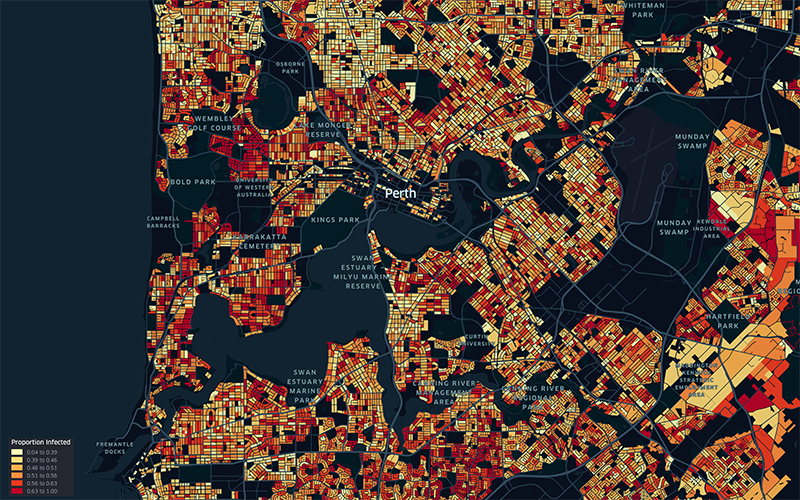
WA’s current Omicron COVID-19 outbreak could jump by 147,000 cases if mask mandates are abandoned before the Easter long weekend, according to sophisticated new modelling.
Christopher Kefyalew Hannah Blyth Alene Moore MBBS (Hons) DCH FRACP FRCPA PhD BSc, MPH, PhD OAM BSc (Hons) GradDipClinEpi PhD Centre Head, Wesfarmers
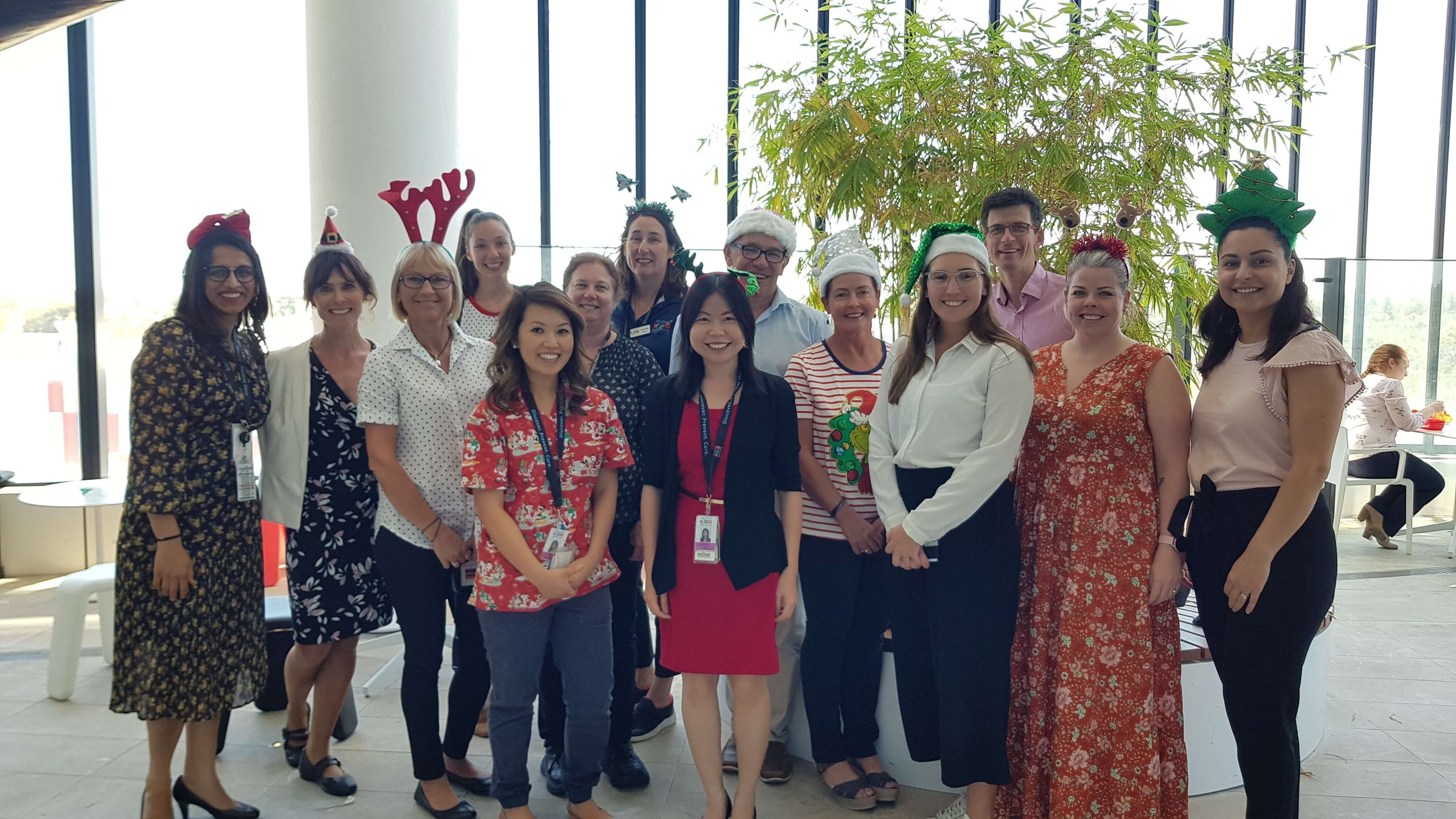
Coming up in 2021 Contact us We have a a study to suit every age range in 2021! From babies at just six weeks for the FluBub Study, through to
Perth researchers have found toxic and harmful chemicals in several dozen e-cigarette liquids readily available in Australia.
To better characterise prematurity-associated lung disease, adult spirometry phenotype classifications (obstructive lung disease, preserved ratio impaired spirometry and dysanapsis) have been applied to children born preterm. It is unknown how these phenotypes track over time.
Although preterm birth is associated with later deficits in lung function, there is a paucity of information on geographical differences and whether improvements occur over time, especially after surfactant was introduced.