
Search
Showing results for "mental health aboriginal"
Changes in the rate and fidelity of mitochondrial protein synthesis impact the metabolic and physiological roles of mitochondria. Here we explored how environmental stress in the form of a high-fat diet modulates mitochondrial translation and affects lifespan in mutant mice with error-prone or hyper-accurate mitochondrial ribosomes. Intriguingly, although both mutations are metabolically beneficial in reducing body weight, decreasing circulating insulin and increasing glucose tolerance during a high-fat diet, they manifest divergent (either deleterious or beneficial) outcomes in a tissue-specific manner.

Senior Postdoctoral Researcher
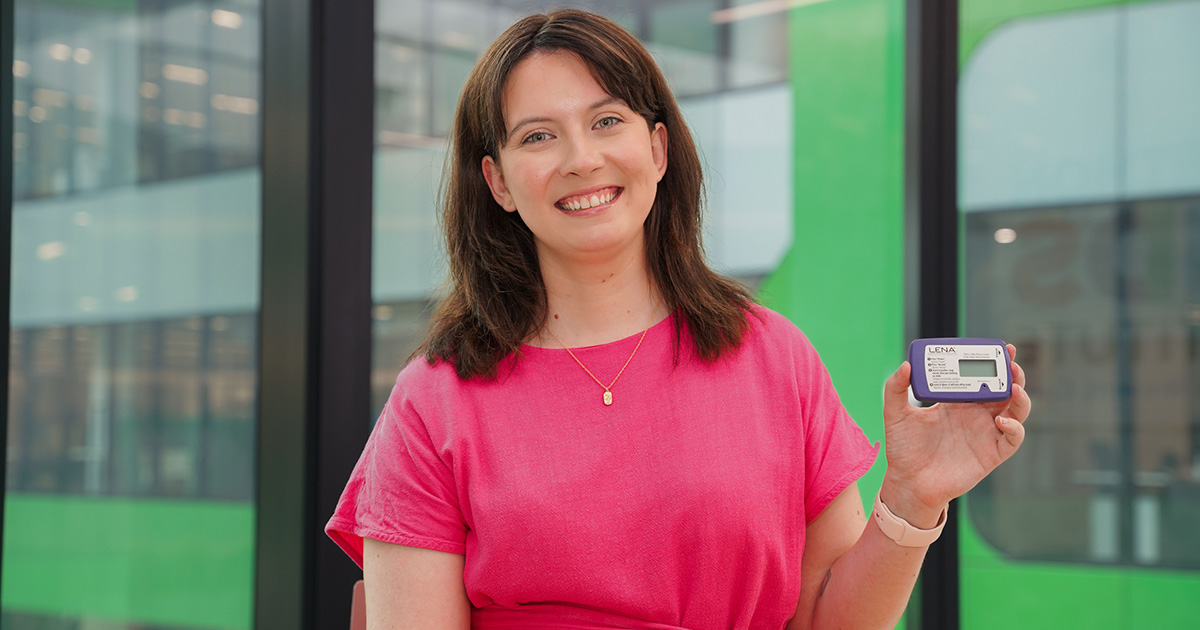
A The Kids Research Institute Australia researcher whose PhD studies highlighted the link between screen time exposure and toddlers’ language development has been named a finalist in South Australia’s Science Excellence and Innovation Awards.
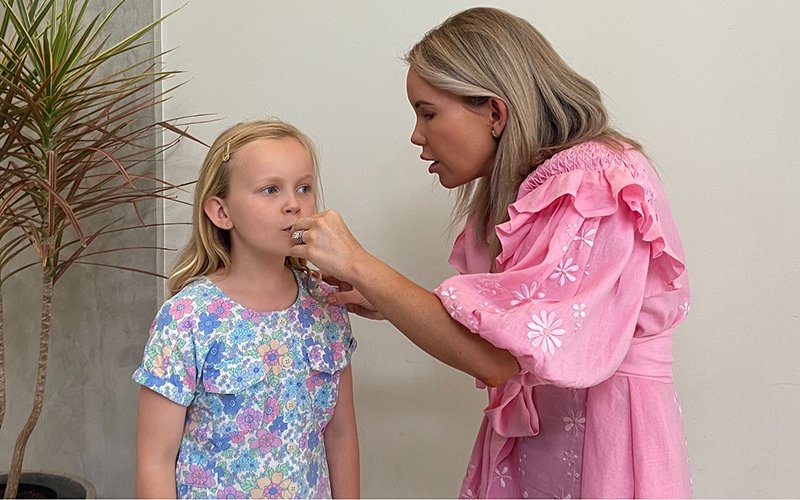
Researchers will be asking random households across metropolitan Perth to undertake COVID tests to reveal how much undetected infection is in the community.
The Kids Research Institute Australia researchers have collaborated with global experts to launch an online tool designed to assess the risk of contracting COVID-19 and provide advice to reduce transmission.
Up to three out of every 100 babies develop cow's milk protein allergy (CMPA) in their first year of life – and this number appears to be on the rise

Congratulations to Dr Gail Alvares and Dr Rachel Foong, who have been awarded funding from the Raine Medical Research Foundation.

This year sees WA’s much loved Channel 7 Perth Telethon reach a huge milestone, with 2017 marking the annual event’s 50th year of children's health fundraising.
Asthma affects about half a million Australian children and is one of the most common reasons why kids need to see a doctor or go to emergency.
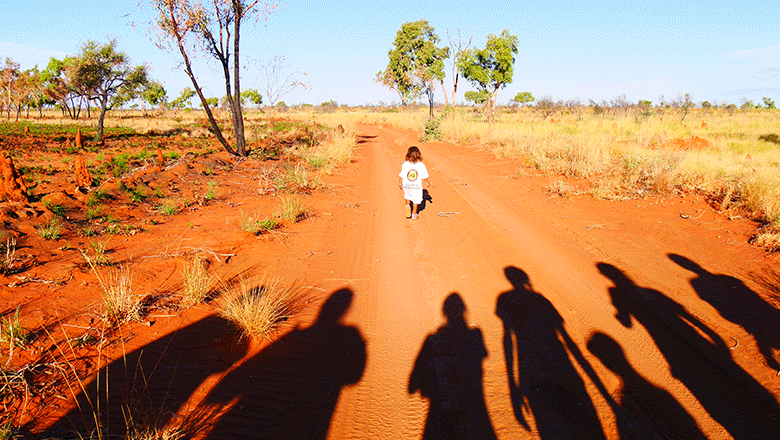
Rheumatic heart disease (RHD) is the most important cause of acquired cardiovascular disease in children and young adults and the most common cause of multivalv