
Search
Showing results for "Childhood interstitial lung disease "
In 2009 a new swine-origin influenza virus A/H1N1 (A/H1N1 09) emerged, causing the century's first pandemic.
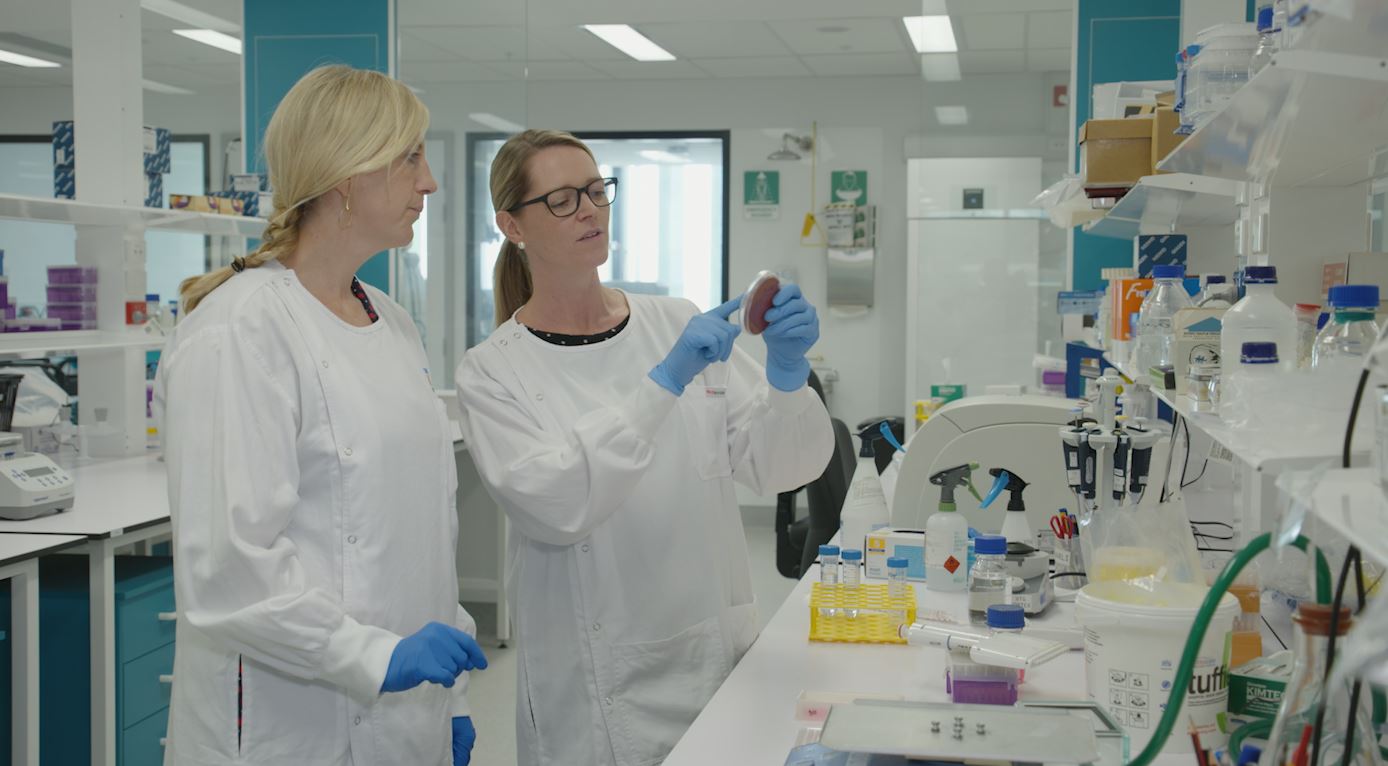
Research reveals that friendly bacteria may help reduce flu symptoms, offering new insights into potential treatments and enhancing our understanding of immune health.

A unique national platform delivering faster research at scale to improve the health, wellbeing and equity of children and their parents across Australia
Combination antibiotic therapy with an antitoxin agent, such as clindamycin, is included in some guidelines for severe, toxin-mediated Staphylococcus aureus infections. The evidence to support this practice is currently limited to in vitro, animal and observational human case-series data, with no previous randomized controlled trials (RCTs).
In 2019, the Murdoch Children's Research Institute in partnership with the Fiji Ministry of Health and Medical Services carried out an integrated mass drug administration (MDA) for the treatment of scabies and lymphatic filariasis in the Northern Division of Fiji. We conducted a retrospective micro-costing exercise focused on the cost of scabies control in order to inform budgeting and policy decision making in an endemic setting.
A balanced approach toward sun exposure and protection is needed by young people. Excessive sun exposure increases their risk for skin cancers such as melanoma, whereas some exposure is necessary for vitamin D and healthy bones. We have developed a new iOS smartphone app-Sun Safe-through a co-design process, which aims to support healthy and balanced decision-making by young teenagers (aged 12-13 years).
The suboptimal sensitivity and specificity of available diagnostic methods for scabies hampers clinical management, trials of new therapies and epidemiologic studies. Additionally, parasitologic diagnosis by microscopic examination of skin scrapings requires sample collection with a sharp scalpel blade, causing discomfort to patients and difficulty in children. Polymerase chain reaction (PCR)-based diagnostic assays, combined with non-invasive sampling methods, represent an attractive approach.
Peanut allergy is the the most common cause of life-threatening food-induced anaphylaxis. There is currently no effective long-term treatment. There is a pressing need for definitive treatments that improve the quality of life and prevent fatalities. Allergen oral immunotherapy (OIT) is a promising approach, which is effective at inducing desensitisation; however, OIT has a limited ability to induce sustained unresponsiveness (SU).
Peanut allergy is the the most common cause of life-threatening food-induced anaphylaxis. There is currently no effective long-term treatment. There is a pressing need for definitive treatments that improve the quality of life and prevent fatalities.
This study describes predictors of pneumococcal nasopharyngeal carriage and density in Fiji. We used data from four annual cross-sectional surveys, pre- and post-introduction of ten-valent pneumococcal conjugate vaccine in October 2012.