
Search
Showing results for "8"
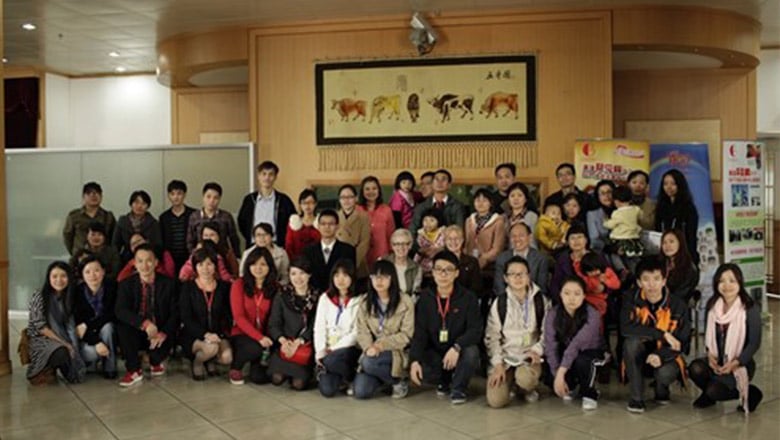
Prof Helen Leonard and Dr Jenny Downs recently visited Shenzhen, China to meet Chinese families and child neurologists from the Shenzhen Children's Hospital.

Get your workplace and colleagues involved

Strategic Partnerships Manager
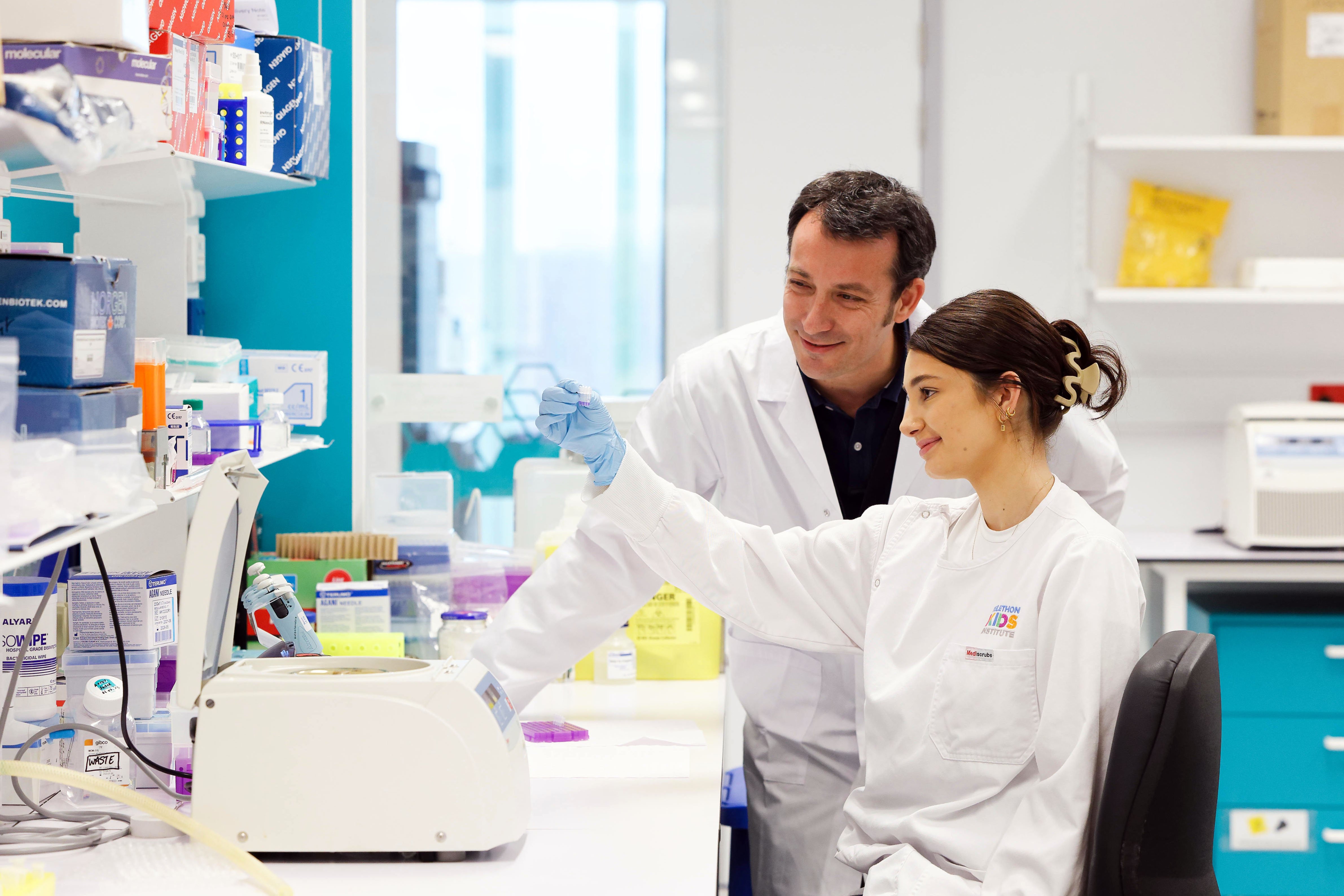
Join us as WA’s cancer research community comes together at the inaugural West Coast Cancer Meeting.
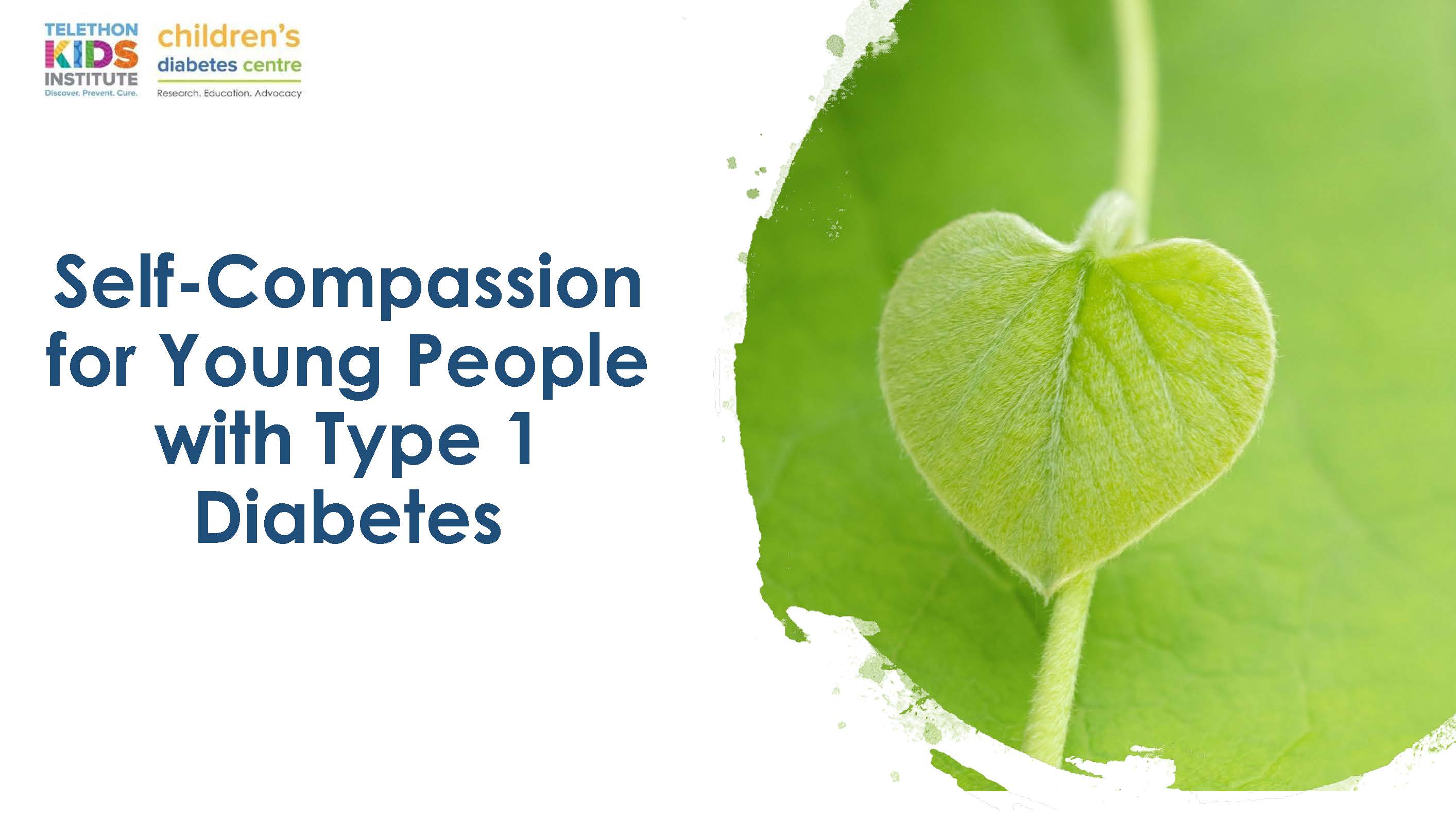
Study: Self-Compassion for Young People with Type 1 Diabetes PARTICIPANTS NEEDED: We are looking for young Australians 14-17 years with type 1
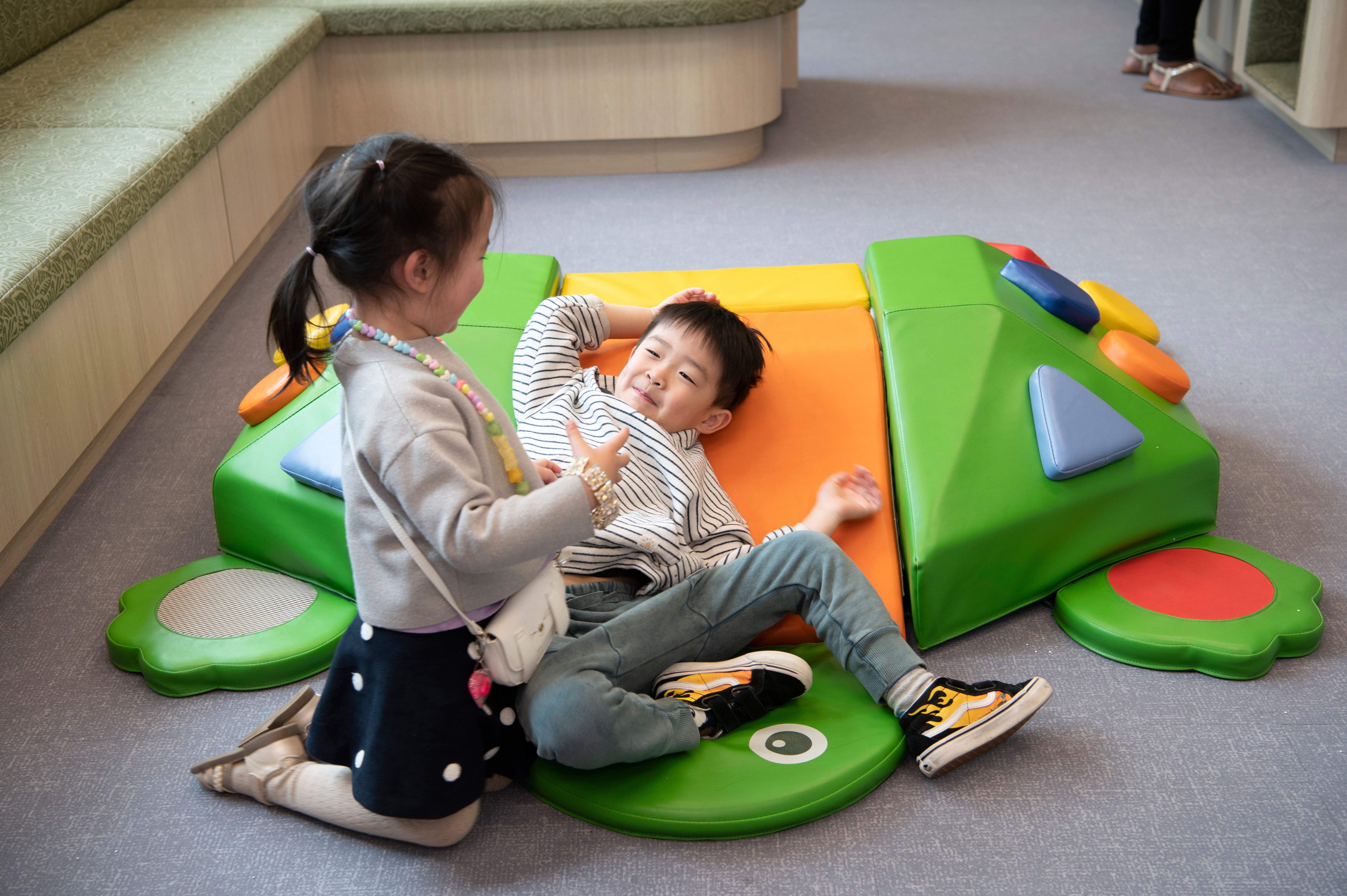
We are currently taking expressions of interest for CliniSibs in 2024.
Sex-specific developmental differences in brain structure have been documented in older children and adolescents, with females generally showing smaller overall brain volumes and earlier peak ages than males. However, sex differences in gray matter structural development in early childhood are less studied. We characterized sex-specific trajectories of gray matter volume development in children aged 2–8 years.
This study investigated the potential of using SARS-CoV-2 viral concentrations in dust as an additional surveillance tool for early detection and monitoring of COVID-19 transmission. Dust samples were collected from 8 public locations in 16 districts of Bangkok, Thailand, from June to August 2021.
This study reports on a three-year group randomized controlled trial, the Cyber Friendly Schools Project, aimed to reduce cyberbullying among grade 8 students
latent neural precursor cells remain present in the neurogenic niche of the adult hippocampus up to 8 weeks following high-dose total body irradiation