
Search
Showing results for "internet "
This chapter focuses on the management of those with hearing impairment, and how tele-audiological tools and approaches may assist to improve service delivery
We report data from the interim analysis of the ongoing VIVIANE study, the aim of which is to assess the efficacy, safety, and immunogenicity of the HPV...
We evaluated the efficacy of the human papillomavirus HPV-16/18 AS04-adjuvanted vaccine against non-vaccine oncogenic HPV types.

The Happy Parenting Program is investigating new ways to provide support to parents with young children from an early age.

Bankwest and The Kids Research Institute Australia have announced a new partnership, bringing together two iconic Western Australian organisations to support parents in their cyber safety battle.
Protecting your privacy is important to us. This policy explains how The Kids Research Institute Australia collects, uses, and safeguards your personal information.
Psychological distress in the early postpartum period can have long-lasting deleterious effects on a mother's well-being and negatively affect her infant's development. Intervention approaches based in contemplative practices such as mindfulness and loving-kindness and compassion are intended to alleviate distress and cultivate well-being and can be delivered effectively as digital mental health interventions.
This paper reports on trans and gender diverse young people's attitudes towards digital games and game-based digital mental health interventions
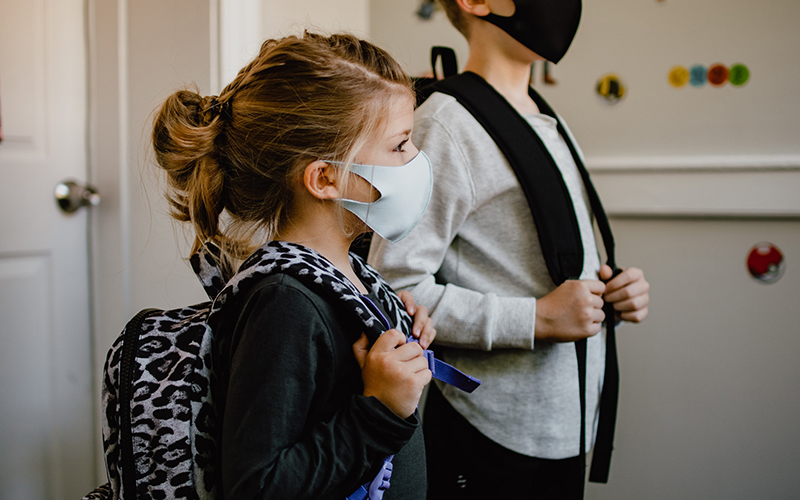
West Australian children as young as Year 3 are now turning up to school in masks, presenting a new challenge for kids, parents and schools.
Young people (aged 12-25 years) with diverse sexuality, gender, or bodily characteristics, such as those who identify as lesbian, gay, bisexual, transgender, intersex, or queer (LGBTIQ+), are at substantially greater risk of a range of mental, physical, and sexual health difficulties compared with their peers. Digital health interventions have been identified as a potential way to reduce these health disparities.