
Most support programmes for Autistic children are available only after they are diagnosed. Research suggests that parenting supports may be helpful f…
Parenting is a rewarding experience but is not without its challenges. Parents of Autistic children face additional challenges, and as a result can e…
Clinical decision support systems (CDSS) are increasingly utilised within healthcare settings to enhance decision making. However, few studies have i…
Maternal immune activation and prenatal maternal stress are well-studied risk factors for psychiatric conditions such as autism and schizophrenia. An…
The heterogeneity of autism spectrum disorder clinically and aetiologically hinders intervention matching and prediction of outcomes. This study inve…
Manifestations of insistence on sameness and circumscribed interests are complex, with individuals varying considerably, not only in the types of beh…
Estimates of the prevalence of intellectual disability or autism spectrum disorder may vary depending on the methodology, geographical location, and…
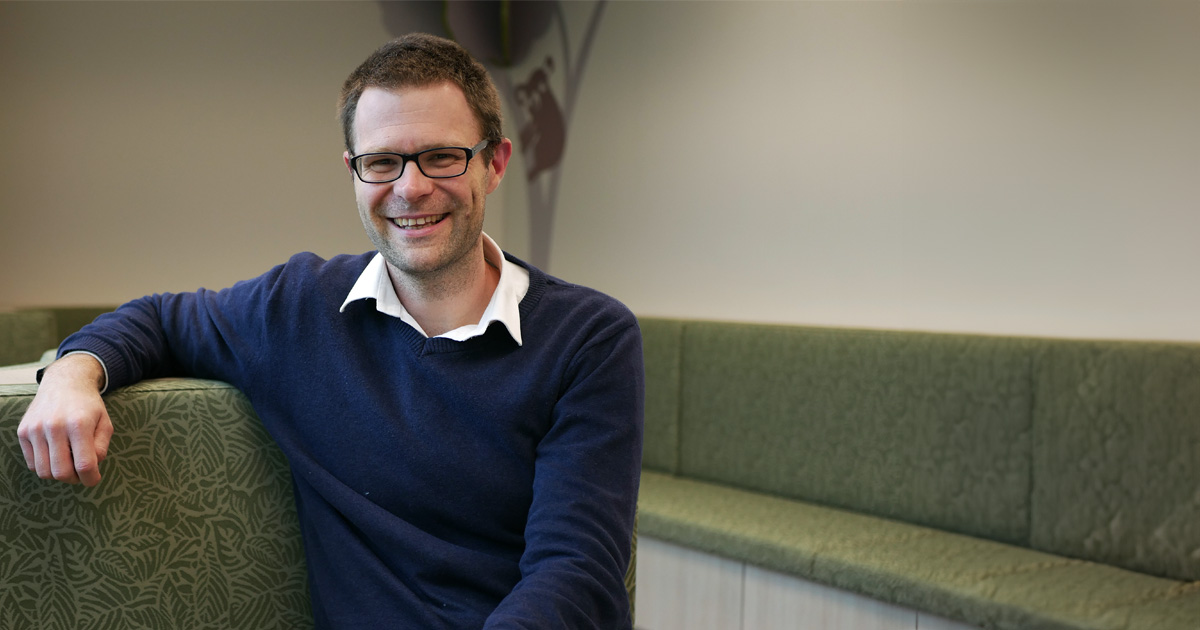
The Kids Research Institute Australia autism researcher Professor Andrew Whitehouse has been inducted as a Fellow to the International Society for Au…
The PEDI-CAT (ASD) is used to assess functioning of children and youth on the autism spectrum; however, current psychometric evidence is limited. Thi…
Researchers do not know much about what autistic adults, parents and professionals think about support goals for young autistic children. People's vi…