
Search
Showing results for "Childhood interstitial lung disease "
A The Kids study examining drug resistance in leukaemia patients has shed new light on why some treatments may be more effective than others.
A national study led by Perth's Telethon Institute has found that folic acid supplements before and during pregnancy reduces the risk of childhood brain tumours
New research from the Telethon Institute has found that children whose father smoked at conception may have a 35% higher risk of developing leukaemia.
Researchers in the Child Health, Development and Education Team support a number of projects financed by the World Bank and the Global Partnership for Education to promote early learning and development in Lao People’s Democratic Republic (PDR).
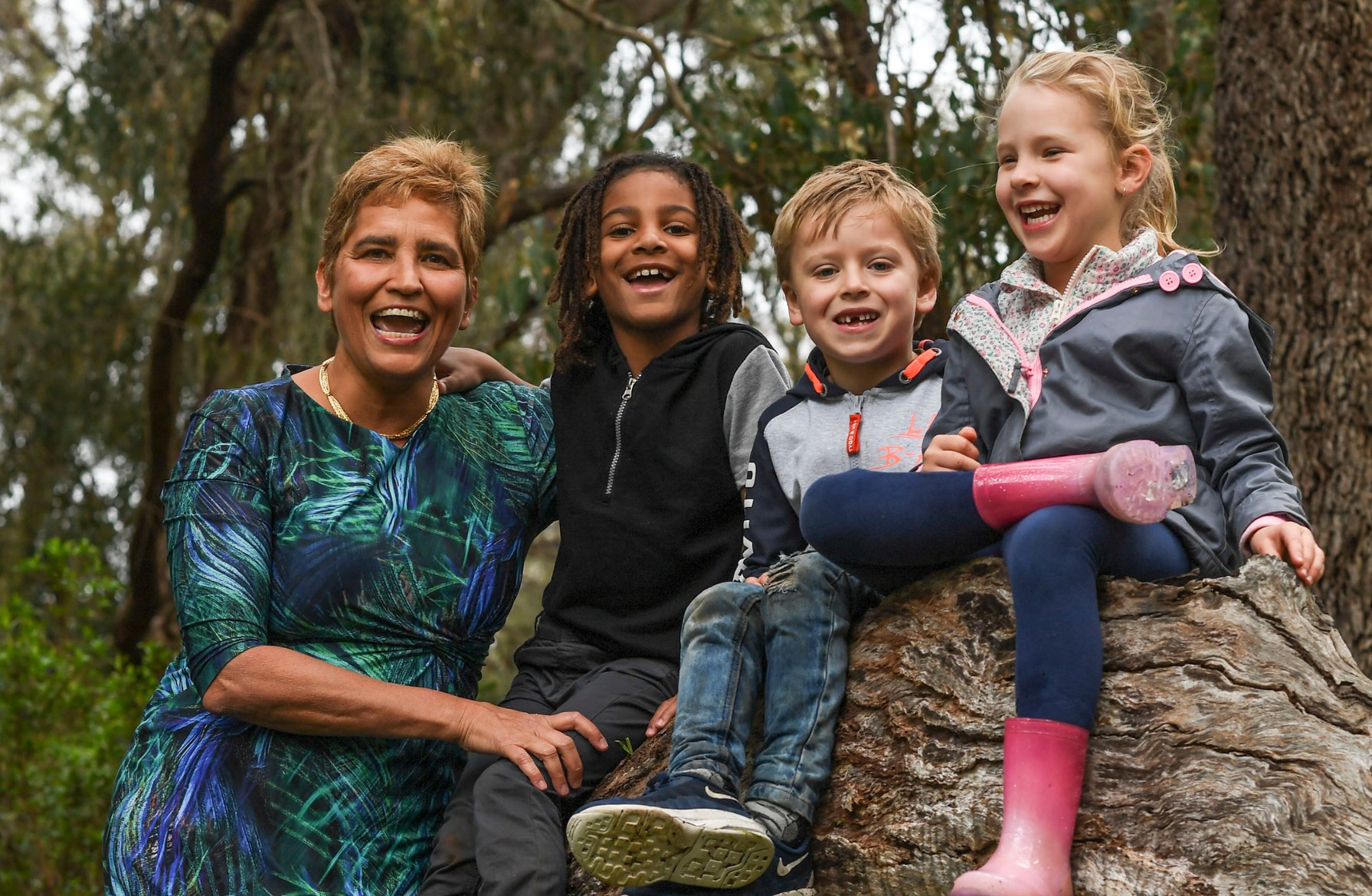
The ORIGINS Project has been named as a key beneficiary of the Stan Perron Charitable Foundation Research People & Platform round for 2023.
The relation between intrauterine growth and risk of childhood acute lymphoblastic leukemia was investigated in an Australian population-based case-control...
The aim of this study was to investigate the relationship between a child's weight and a broad range of family and maternal factors.
Investigating the demographic, lifestyle and diabetes management factors associated with the incidence of severe hypoglycemia
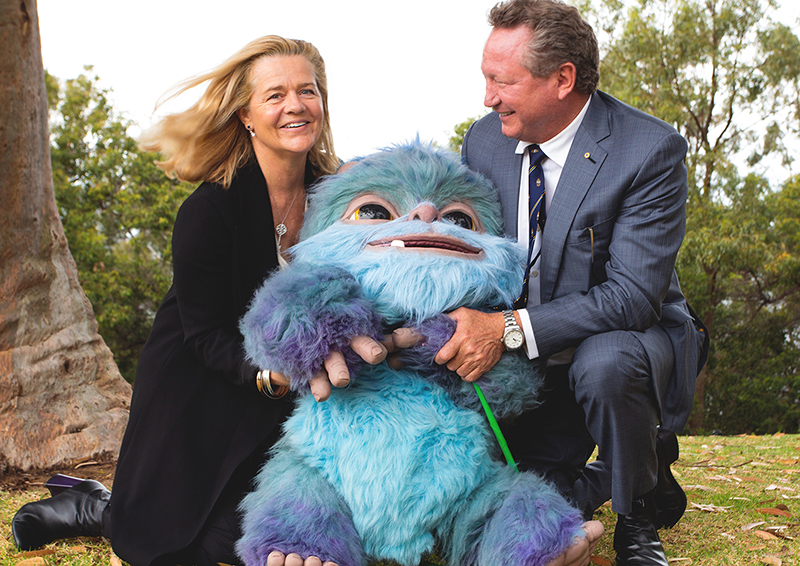
A national campaign launched on Channel 7’s Telethon aims to build community understanding of the amazing untapped potential of a baby’s developing brain, through a remarkable animated creature.
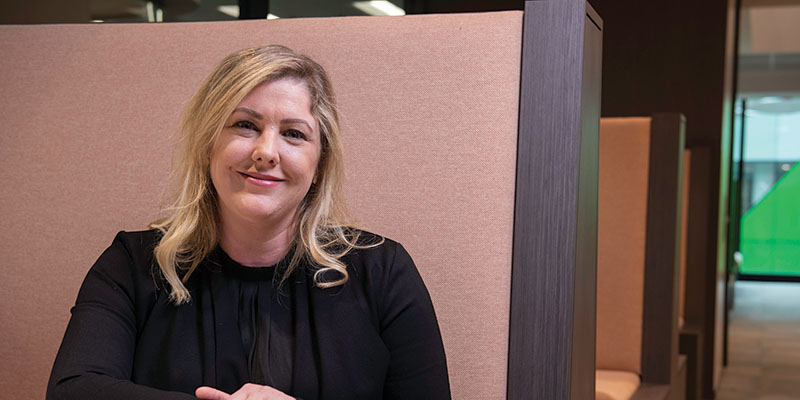
The Child Development Atlas is proving popular even before its official launch - bringing together government services.