
Search
Showing results for "Childhood interstitial lung disease "
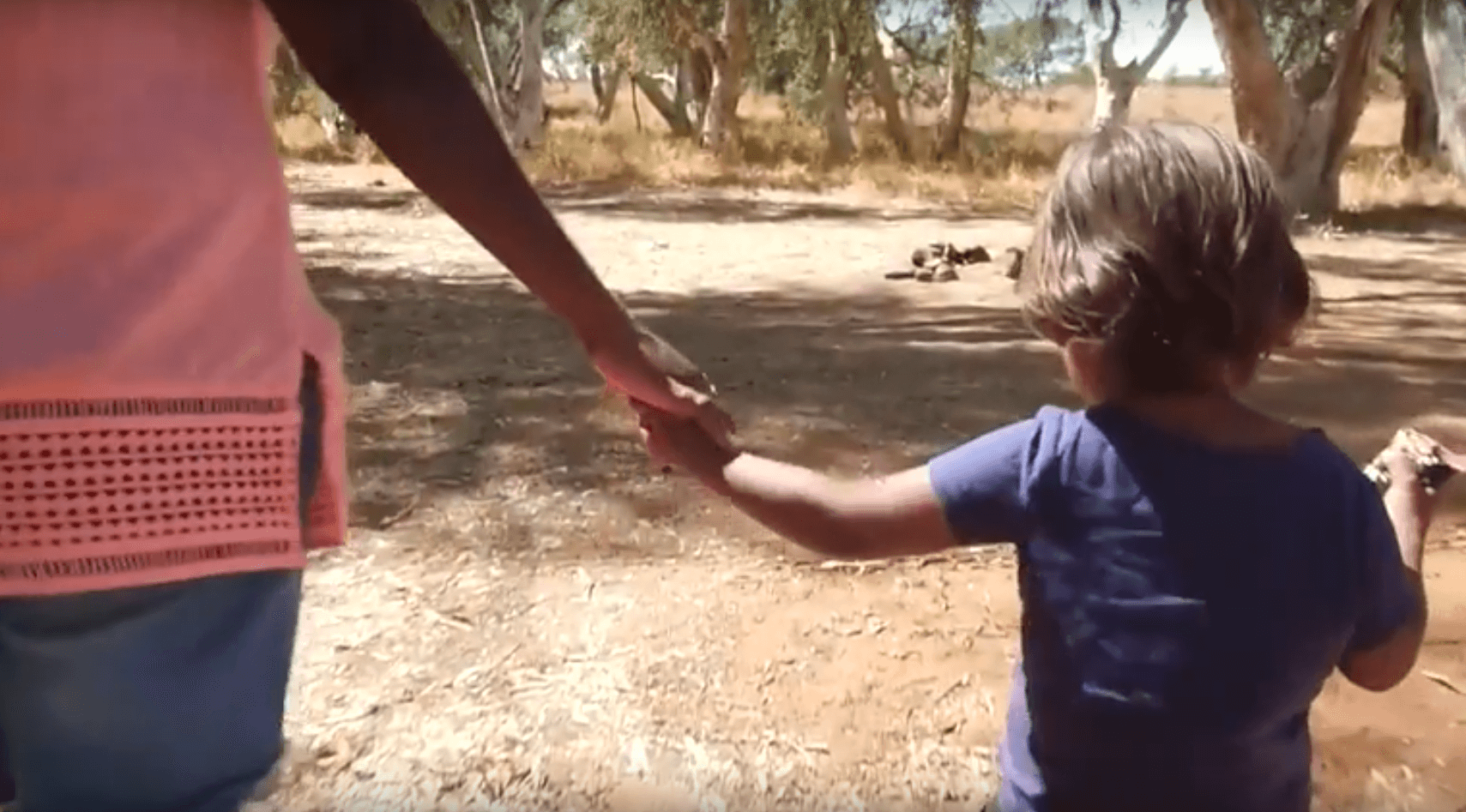
Aboriginal mum and child

"This system definitely helped with my diabetes management, especially overnight, and helped to keep my blood sugars as stable as possible which was fantastic,"

Eight The Kids Research Institute Australia researchers are among those who have received grant funding from the Telethon-Perth Children’s Hospital Research Fund (TPCHRF).
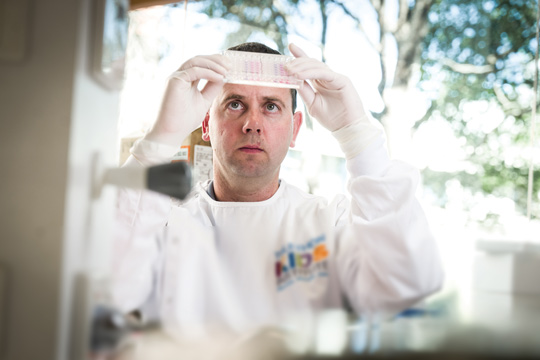
In an exciting breakthrough for cancer treatment, a new weapon to enable the immune system to combat the disease may have been unlocked.

The need for a WA Youth Health Policy has been evident for years. Now, with The Kids Research Institute Australia helping to drive the project, it is coming to fruition.
Leading child advocates have called for a new approach to tackling child abuse and neglect amid rising rates of abuse notifications

Despite respiratory syncytial virus (RSV) being the leading cause of hospitalisations in the first year of life, there is currently no routine preventative option for otherwise healthy babies.
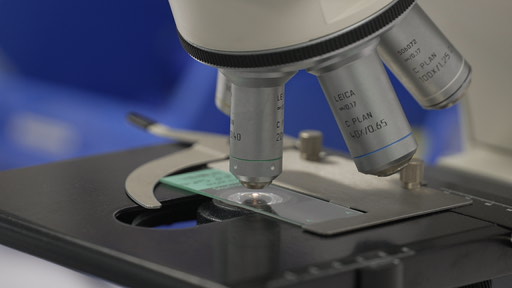
The Kids Research Institute Australia is equipped with a diverse range of histology and microscopy equipment and analysis software to facilitate state-of-the-art imaging.
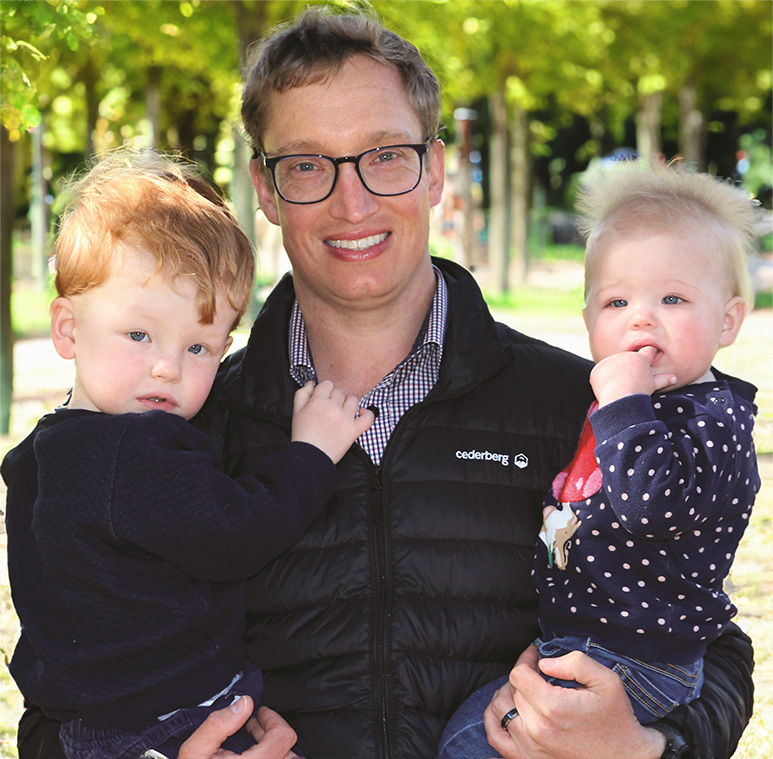
New dads can feel undervalued and face significant health and mental health risks following the birth of a child, according to new research that has prompted a rethink about how to address the often-unmet needs of fathers.
Worldwide, tuberculosis (TB) remains the leading cause of death from infectious diseases. Africa is the second most-affected region, accounting for a quarter of the global TB burden, but there is limited evidence whether there is subnational variation of TB prevalence across the continent. Therefore, this study aimed to estimate sub-national and local TB prevalence across Africa.