
Search
Showing results for "Childhood interstitial lung disease "
Behavior change techniques (BCTs) have been extensively used in physical activity interventions for children, however, no systematic reviews have synthesized their effects.
The World Health Organization identifies a strong surveillance system for malaria and its mosquito vector as an essential pillar of the malaria elimination agenda. Anopheles salivary antibodies are emerging biomarkers of exposure to mosquito bites that potentially overcome sensitivity and logistical constraints of traditional entomological surveys.
Multiple SARS-CoV-2 variants have emerged over the COVID-19 pandemic. The implications for COVID-19 severity in children worldwide are unclear. The objective was to determine whether the dominant circulating SARS-CoV-2 variants of concern (VOCs) were associated with differences in COVID-19 severity among hospitalized children.
Despite several calls for greater inclusion of pregnant people in non-obstetric clinical trials, their systematic exclusion remains common practice. Excluding pregnant individuals from clinical trials may result in unintended consequences such as inadequate treatment of medical conditions in pregnancy, inappropriate dosing of medications, and investigational therapies being used off-label outside of the context of a clinical trial, risking adverse events in the absence of demonstrated efficacy.
SARS-CoV-2 infection is associated with a significant risk of hospitalisation, death, and prolonged impact on quality of life. Evaluation of new treatment options and optimising therapeutic management of people hospitalised with SARS-CoV-2 infection remains essential, but rapid changes in pandemic conditions and potential therapies have limited the utility of traditional approaches to randomised controlled trials.
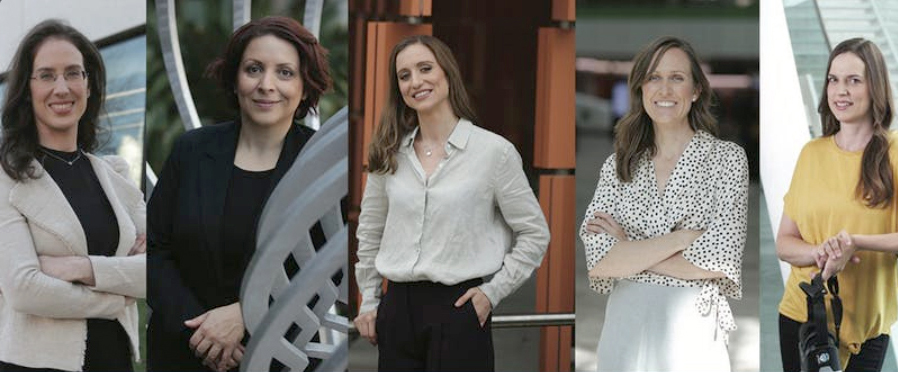
Hundreds of budding female scientists from secondary schools across Western Australia will be given a glimpse into their future careers as part of the first Girls in Science Forum to be held in Perth this week.

Learn with The Kids – suitable for kids and schools
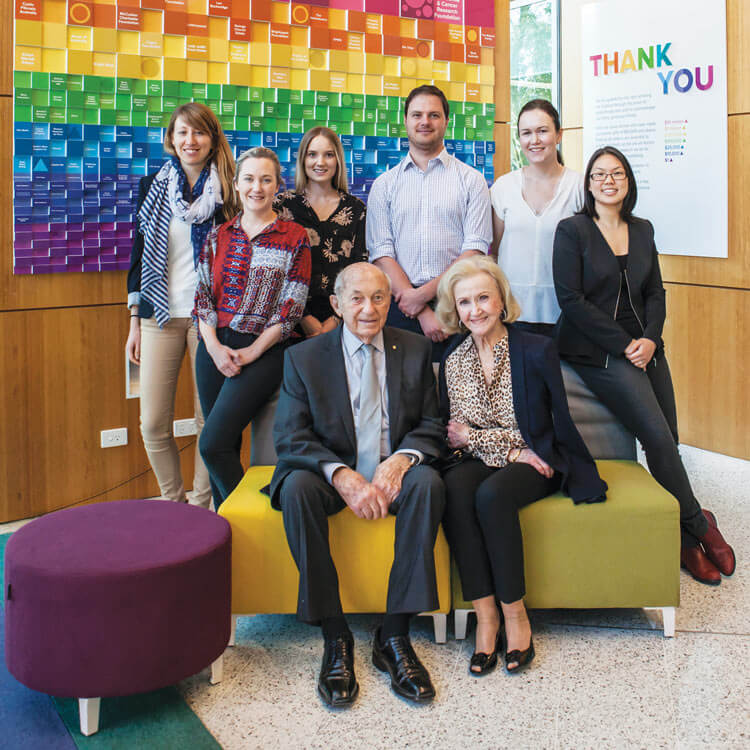
Philanthropically-minded members of the community are lending their support to The Kids Research Institute Australia’s up-and-comers.
Birth order effects have been linked to variability in intelligence, educational attainment and sexual orientation. First- and later-born children have been linked to an increased likelihood of an Autism Spectrum Disorder (ASD) diagnosis, with a smaller body of evidence implicating decreases in cognitive functioning with increased birth order.
Birth order effects have been linked to variability in intelligence, educational attainment and sexual orientation. First- and later-born children have been linked to an increased likelihood of an Autism Spectrum Disorder (ASD) diagnosis, with a smaller body of evidence implicating decreases in cognitive functioning with increased birth order. The present study investigated the potential association between birth order and ASD diagnostic phenotypes in a large and representative population sample.