
Search
Showing results for "clinical trials"

Head, Infectious Disease Implementation Research
Christopher Peter Blyth Richmond MBBS (Hons) DCH FRACP FRCPA PhD MBBS MRCP(UK) FRACP Centre Head, Wesfarmers Centre of Vaccines and Infectious
Investigators: Ashleigh Lin, Charlotte Pugh, Matthew Poh Anti-depressant medication is not always an effective treatment for young people with
To describe writhing General Movements Assessment (GMA) classification and General Movement Optimality Score-Revised (GMOS-R) profiles in the general population; to explore relationships between GMOS-R scores and GMA classification, age of assessment and infant socio-demographic factors; and to establish the inter-rater reproducibility of writhing age GMA classification and GMOS-R.
Cerebral palsy (CP) is the most common physical disability of childhood worldwide. Historically the diagnosis was made between 12 and 24 months, meaning data about effective early interventions to improve motor outcomes are scant. In high-income countries, two in three children will walk. This evaluator-blinded randomised controlled trial will investigate the efficacy of an early and sustained Goals-Activity-Motor Enrichment approach to improve motor and cognitive skills in infants with suspected or confirmed CP.
The implementation of an intervention protocol aimed at increasing vocal complexity in three pre-linguistic children with cerebral palsy (two males, starting age 15 months, and one female, starting age 16 months) was evaluated utilising a repeated ABA case series design. The study progressed until the children were 36 months of age. Weekly probes with trained and untrained items were administered across each of three intervention blocks.
The aim of this study is to investigate the antidepressant effects of N2O and N2O and SSRI combined.
Concerns persist regarding the potential long-term effects of general anaesthesia on brain development in children. This narrative review summarises recent preclinical and clinical evidence (2019-25) and updates consensus messages.
Head-mounted devices (HMDs) have been explored in anaesthesia education for their unique ability to have head-tracked immersive simulations adaptable to diverse clinical scenarios. This scoping review examines how HMD-based augmented or virtual reality enhances anaesthetic skill learning in clinicians, trainees, and students.
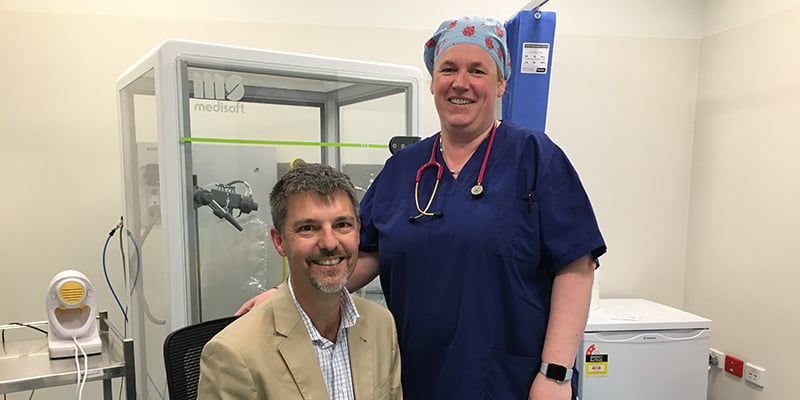
A Perth study has shown that over-the-counter asthma medication before surgery can reduce respiratory complications during and after tonsillectomy surgery.