
Search
Showing results for "mental health aboriginal"
Traits associated with CVD, CRD and T2D in Aboriginal Australians provide novel insight into function of Arylsulphatase A Pseudodeficiency variants
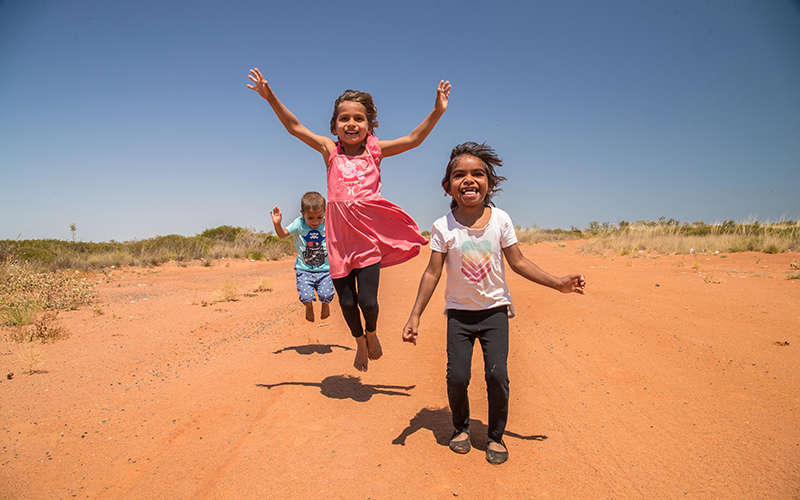
BHP has announced a $20 million commitment to Telethon over the next five years to fund a world-first research partnership with Aboriginal families in the Pilbara and Perth.
Organ transplantation is a well-established intervention but is reliant on the donation of organs and tissues, mostly from deceased donors. The proportion of Australians proceeding to organ donation (OD) has increased, but the proportion of Indigenous Australians proceeding remains two-thirds that of non-Indigenous Australians. We sought to explore perceived barriers and enablers for the involvement of Indigenous peoples in the OD process.
Hematological disorders are often treated with blood transfusions. Many blood group antigens and variants are population-specific, and for patients with rare blood types, extensive donor screening is required to find suitable matches for transfusion. There is a scarcity of knowledge regarding blood group variants in Aboriginal Australian populations, despite a higher need for transfusion due to the higher prevalence of renal diseases and anemia.
We observed improvements in self-regulation, self-awareness, and socialization skills, evident from the photography recording and the questionnaire data
Stroke risk and cardiovascular mortality are markedly higher for Aboriginal than non-Aboriginal patients with atrial fibrillation, particularly for patients under 60
This study highlights a range of unique profiles that can be used for improving the early development of young Aboriginal children
Aboriginal Peer Support Workers identified their emerging integral role in the development of this unique culturally acceptable home visiting support for Aboriginal parents
Thanks to a $1 million funding grant, Dr Asha Bowen from The Kids Research Institute Australia is on track to change Aboriginal children's skin infection statistics.
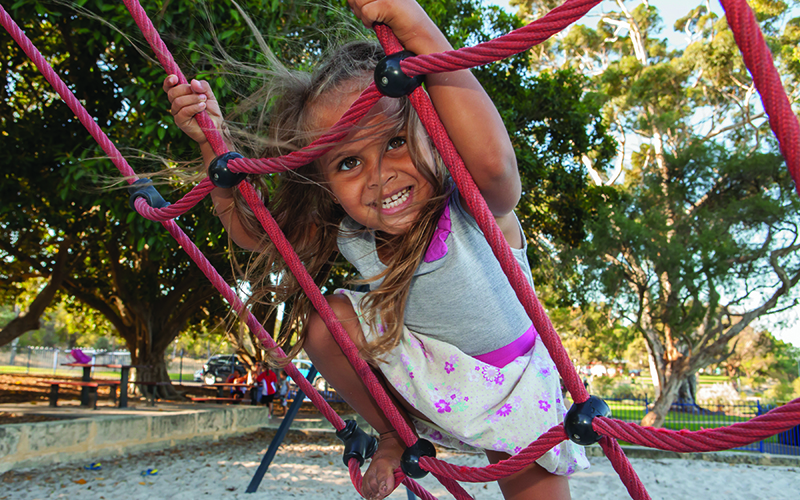
In 2020, the National Closing the Gap partnership made improving early development of Aboriginal and Torres Strait Islander children one of its top priorities. Australia will measure progress in this area using the AEDC.