
Search
Showing results for "Childhood interstitial lung disease "
Mandatory fortification with folate frequently asked questions, answered.
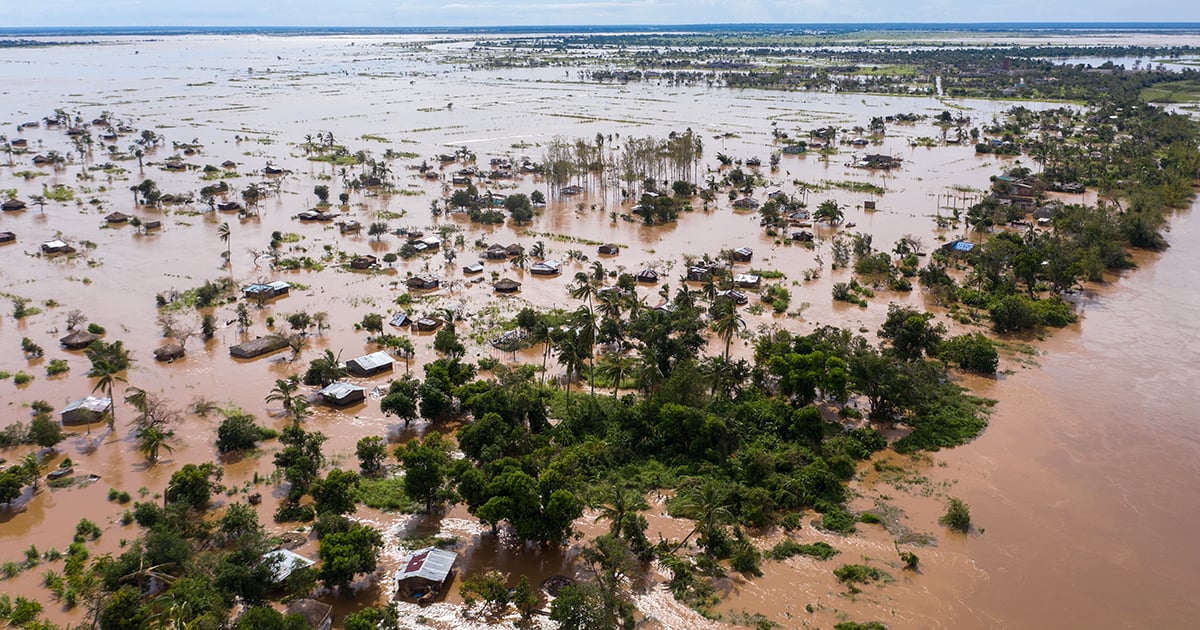
World-first research from The Kids Research Institute Australia and Curtin University predicts climate change could trigger more than 100 million additional malaria cases and 500,000 additional deaths in Africa by 2050, including substantial impacts on children.
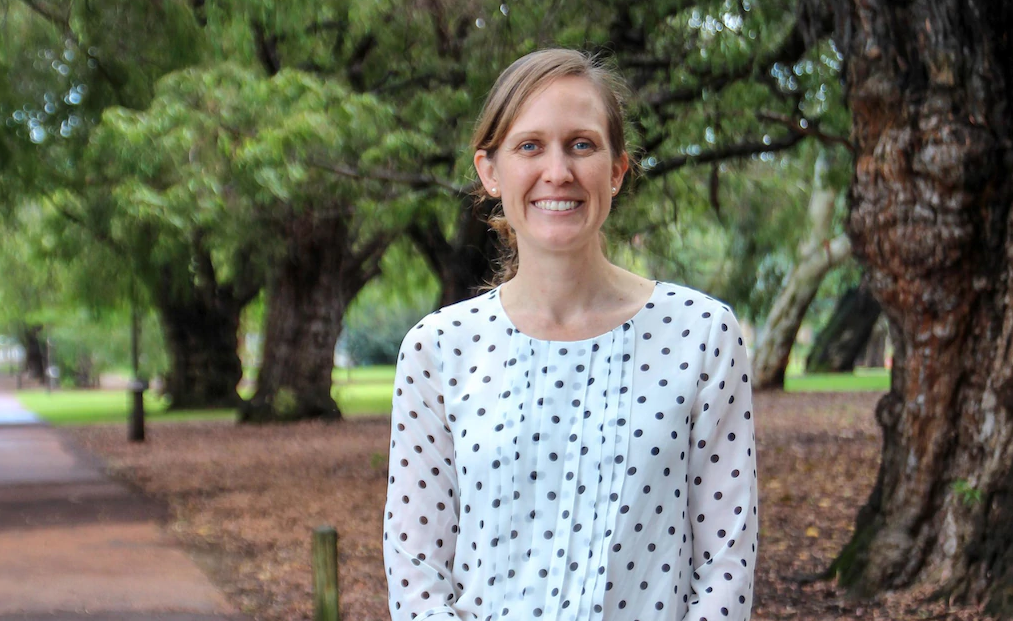
The Kids Research Institute Australia, Perth Children’s Hospital (PCH) and the Peter Doherty Institute for Infection and Immunity (Doherty Institute) will spearhead the paediatric arm of a world-first global platform trial designed to uncover treatments for Staphylococcus aureus bloodstream infection.

WA’s current Omicron COVID-19 outbreak could jump by 147,000 cases if mask mandates are abandoned before the Easter long weekend, according to sophisticated new modelling.

Many parents may be feeling anxious and confused about what COVID-19 means for pregnant women, babies and children.

The Kids researchers are collaborating on two major projects that today received $1.2million in funding from MTPConnect.
Dr Anita Asha Campbell Bowen MBBS, DCH, PG DipPID, FRACP, PhD BA MBBS DCH FRACP PhD GAICD FAHMS OAM Infectious Diseases Physician; Raine Clinician
Urine is an attractive biospecimen for nutritional status and population health surveys. It is an excellent non-invasive alternative to blood for appropriate biomarkers in young children and is suitable for home-based collection, enabling representative collections across a population. However, the bulk of literature in this population is restricted to collection in primary care settings.
Physical activity improves physical and psychosocial outcomes in healthy children and in children with a range of chronic health conditions. Unfortunately, children with chronic health conditions have lower levels of physical activity compared to their healthy peers due to multiple restrictions in physical activities and therefore tend to have lower levels of physical activity compared with their peers. This paper describes the protocol for Move to Improve, a pragmatic trial of an individualised physical activity intervention for children with chronic health conditions.
Glioblastoma, a rare, and highly lethal form of brain cancer, poses significant challenges in terms of therapeutic resistance, and poor survival rates for both adult and paediatric patients alike. Despite advancements in brain cancer research driven by a technological revolution, translating our understanding of glioblastoma pathogenesis into improved clinical outcomes remains a critical unmet need.