
Search
Showing results for "Childhood interstitial lung disease "
Bacillus cereus can cause serious infections in immunosuppressed patients. This population may be susceptible to B. cereus pneumonia, bacteremia, cellulitis,...
Urine is an attractive biospecimen for nutritional status and population health surveys. It is an excellent non-invasive alternative to blood for appropriate biomarkers in young children and is suitable for home-based collection, enabling representative collections across a population. However, the bulk of literature in this population is restricted to collection in primary care settings.
Physical activity improves physical and psychosocial outcomes in healthy children and in children with a range of chronic health conditions. Unfortunately, children with chronic health conditions have lower levels of physical activity compared to their healthy peers due to multiple restrictions in physical activities and therefore tend to have lower levels of physical activity compared with their peers. This paper describes the protocol for Move to Improve, a pragmatic trial of an individualised physical activity intervention for children with chronic health conditions.
Glioblastoma, a rare, and highly lethal form of brain cancer, poses significant challenges in terms of therapeutic resistance, and poor survival rates for both adult and paediatric patients alike. Despite advancements in brain cancer research driven by a technological revolution, translating our understanding of glioblastoma pathogenesis into improved clinical outcomes remains a critical unmet need.
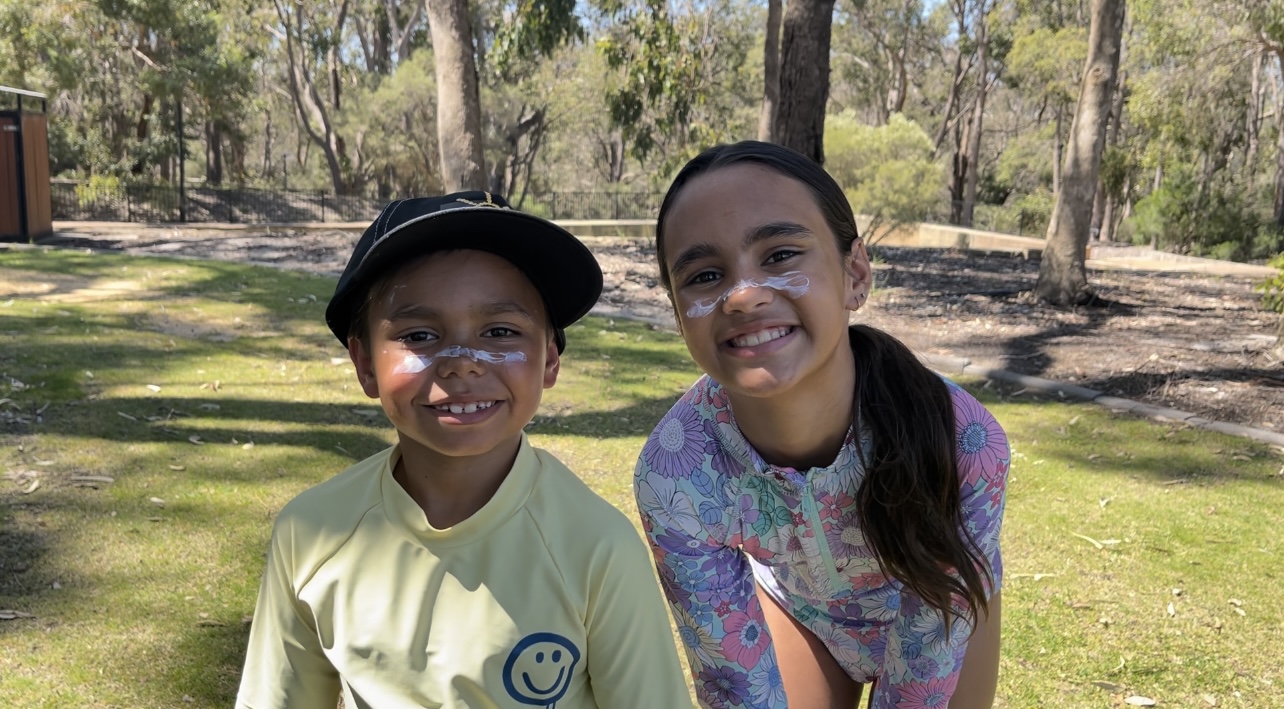
Vital research promoting sun smart choices and skin cancer prevention for young Aboriginal people is now underway at The Kids Research Institute Australia thanks to a $100,000 Perpetual 2024 IMPACT Philanthropy grant.
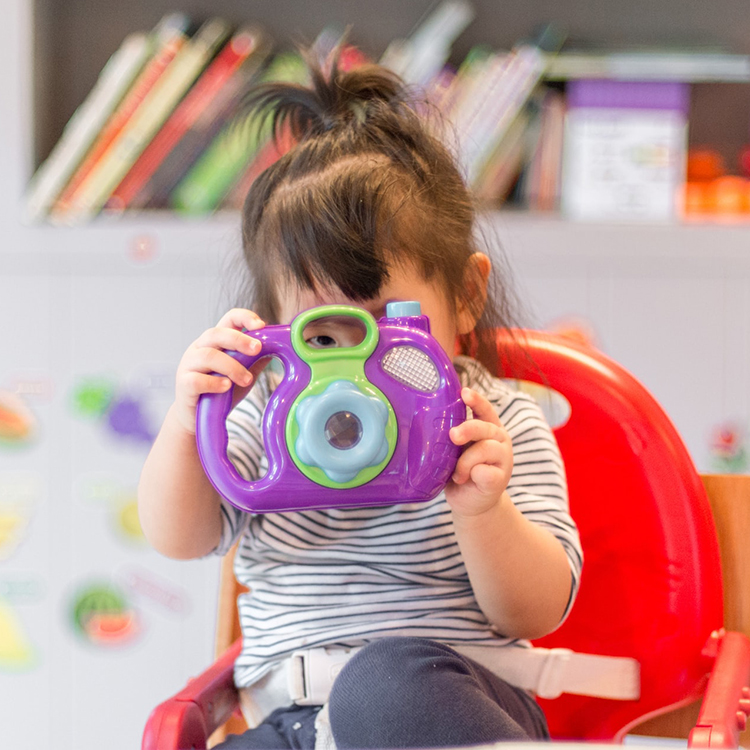
Kids Rehab WA is an integrated team of clinicians and researchers who deliver and research therapies for children with acquired or congenital neurological impairments, leading to improved outcomes for children and their families.
Find out more about our research into Aboriginal social and emotional wellbeing
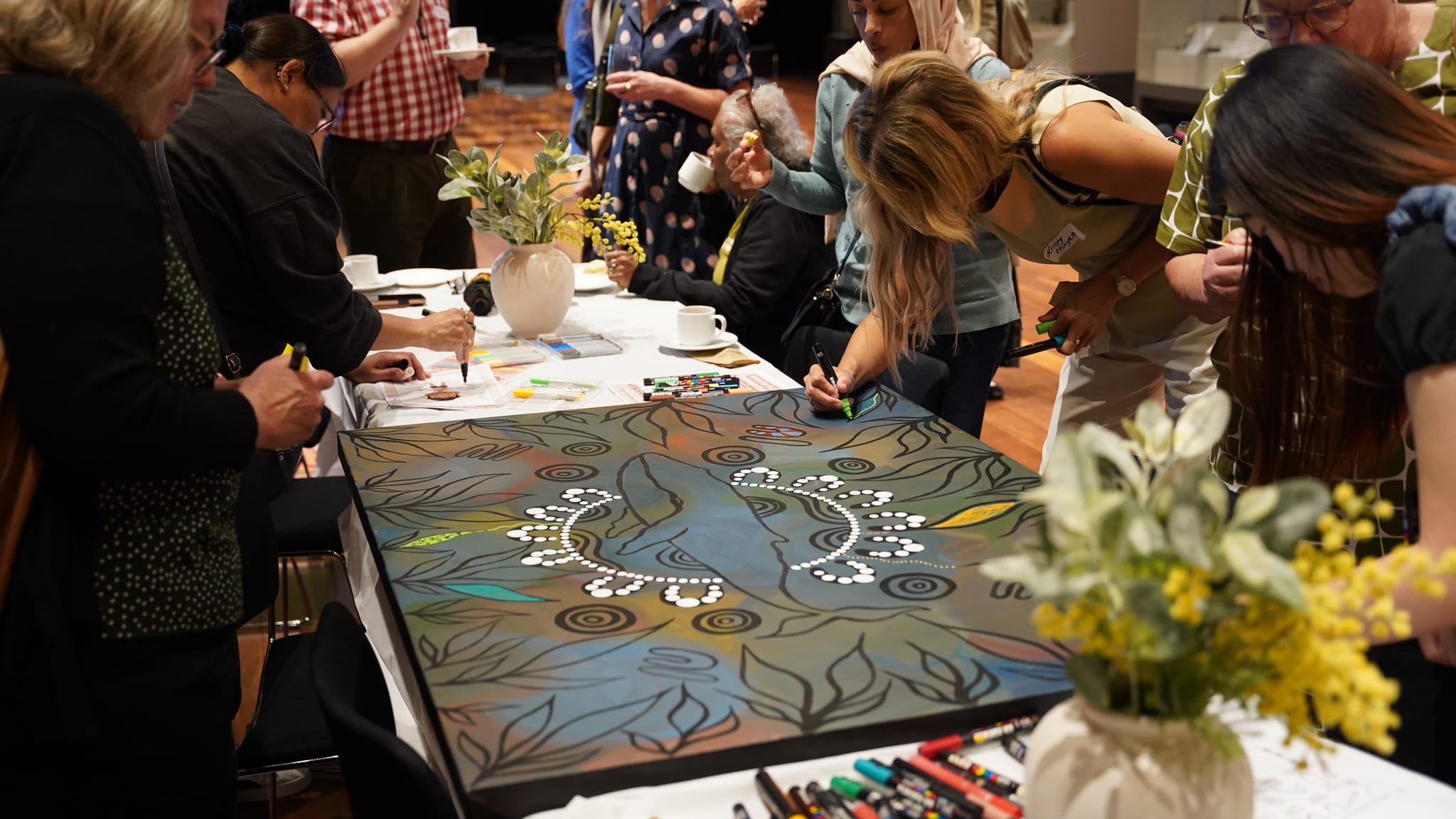
This project aims to improve the cultural safety and effectiveness of mainstream mental health services for Aboriginal and Torres Strait Islander children and families.
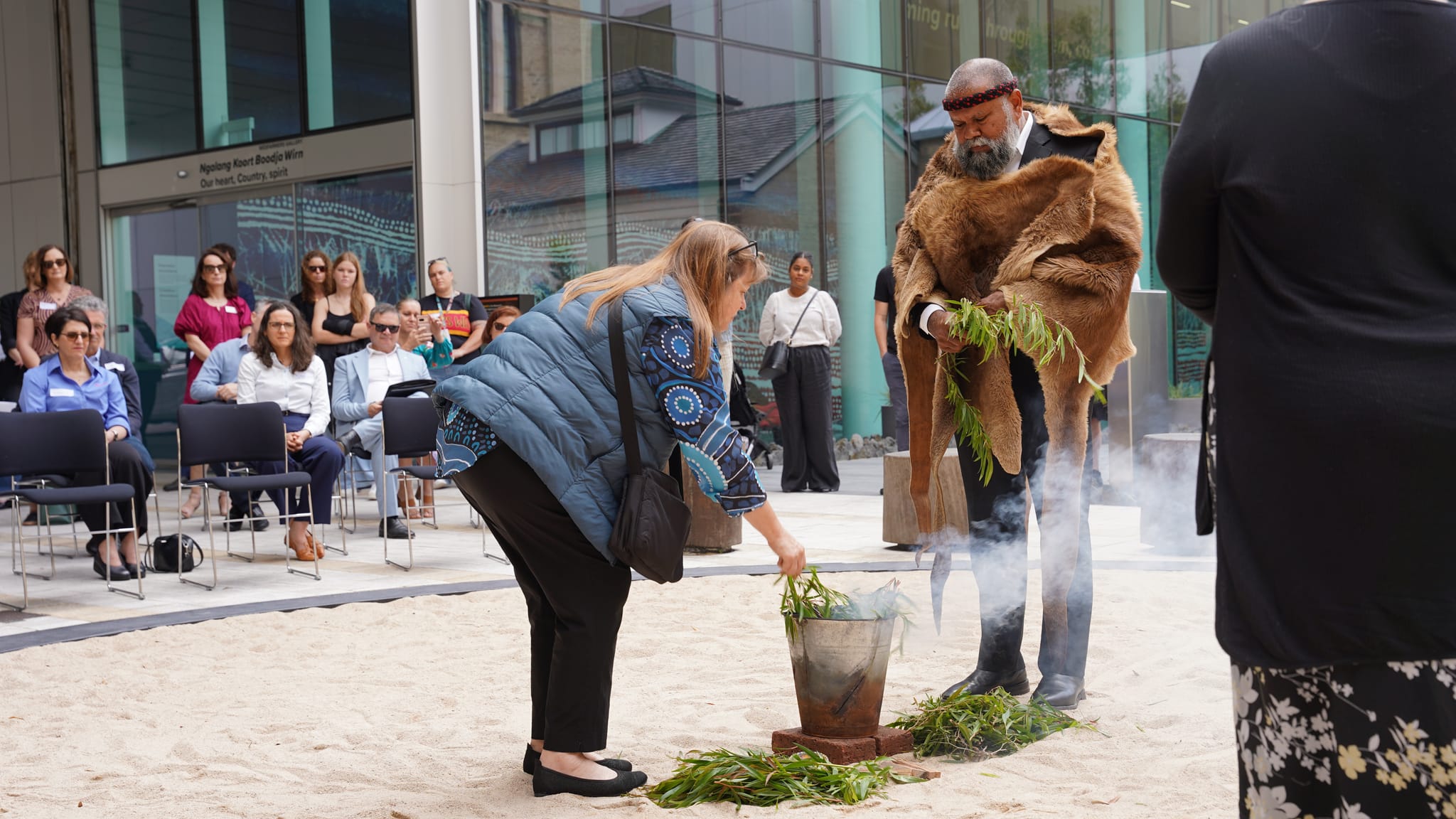
Find the preliminary findings from our cultural safety project here
Find our booklet on Social and Emotional Wellbeing on this page