
Search
Showing results for "Childhood interstitial lung disease "
High-grade glioma (HGG) cells reactivate neurodevelopmental programs regulated by ion channels to drive tumor progression. The activity of voltage-gated sodium channels (VGSCs) is fundamental to development, a target of blood-brain barrier (BBB)-permeable FDA-approved drugs, and aids tumor advancement in several cancers. However, the contribution of VGSC activity to HGG pathology remains unknown.
Glioblastoma, a lethal high-grade glioma, has not seen improvements in clinical outcomes in nearly 30 years. Ion channels are increasingly associated with tumorigenesis, and there are hundreds of brain-penetrant drugs that inhibit ion channels, representing an untapped therapeutic resource. The aim of this exploratory drug study was to screen an ion channel drug library against patient-derived glioblastoma cells to identify new treatments for brain cancer.
Positive maternal mental health during the perinatal period contributes to general well-being and positive emotional bonds with the child, encouraging an optimal developmental trajectory. Online interventions to enhance maternal well-being and develop coping skills, such as meditation-based interventions, can be a low-cost way to improve mother and child outcomes.
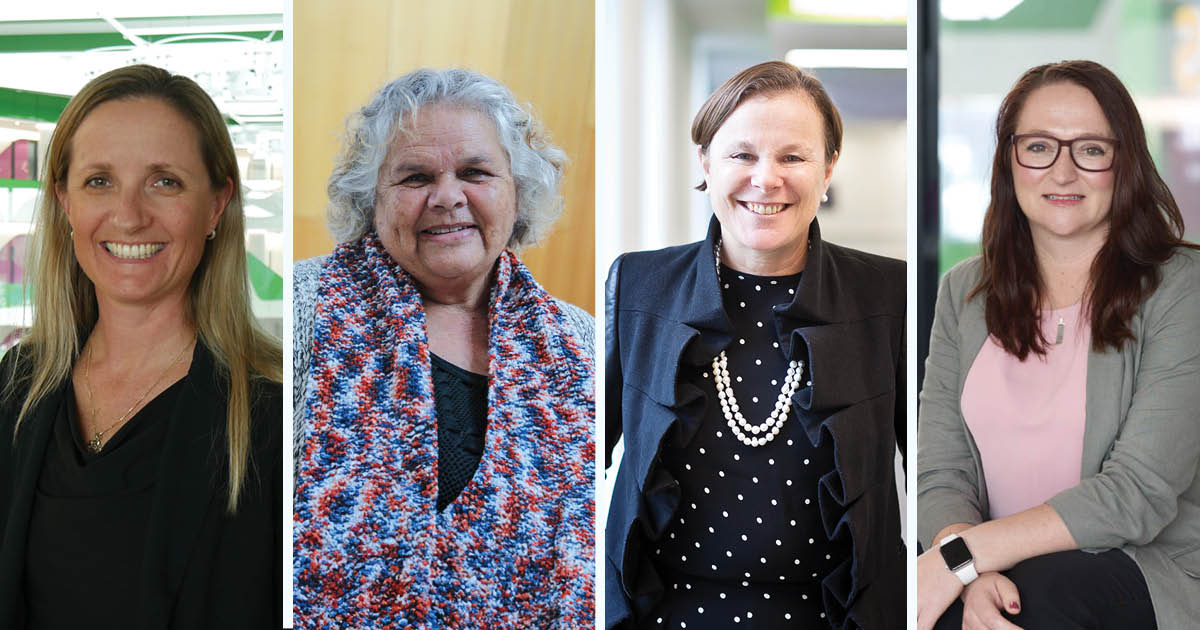
Four outstanding members of The Kids Research Institute Australia family – three researchers and an Aboriginal Elder co-researcher – have been named in the Australia Day Honours List for their outstanding service to research and the community.
This project seeks to evaluate the effectiveness and impact of MOST on young people and the system of care in Western Australia.
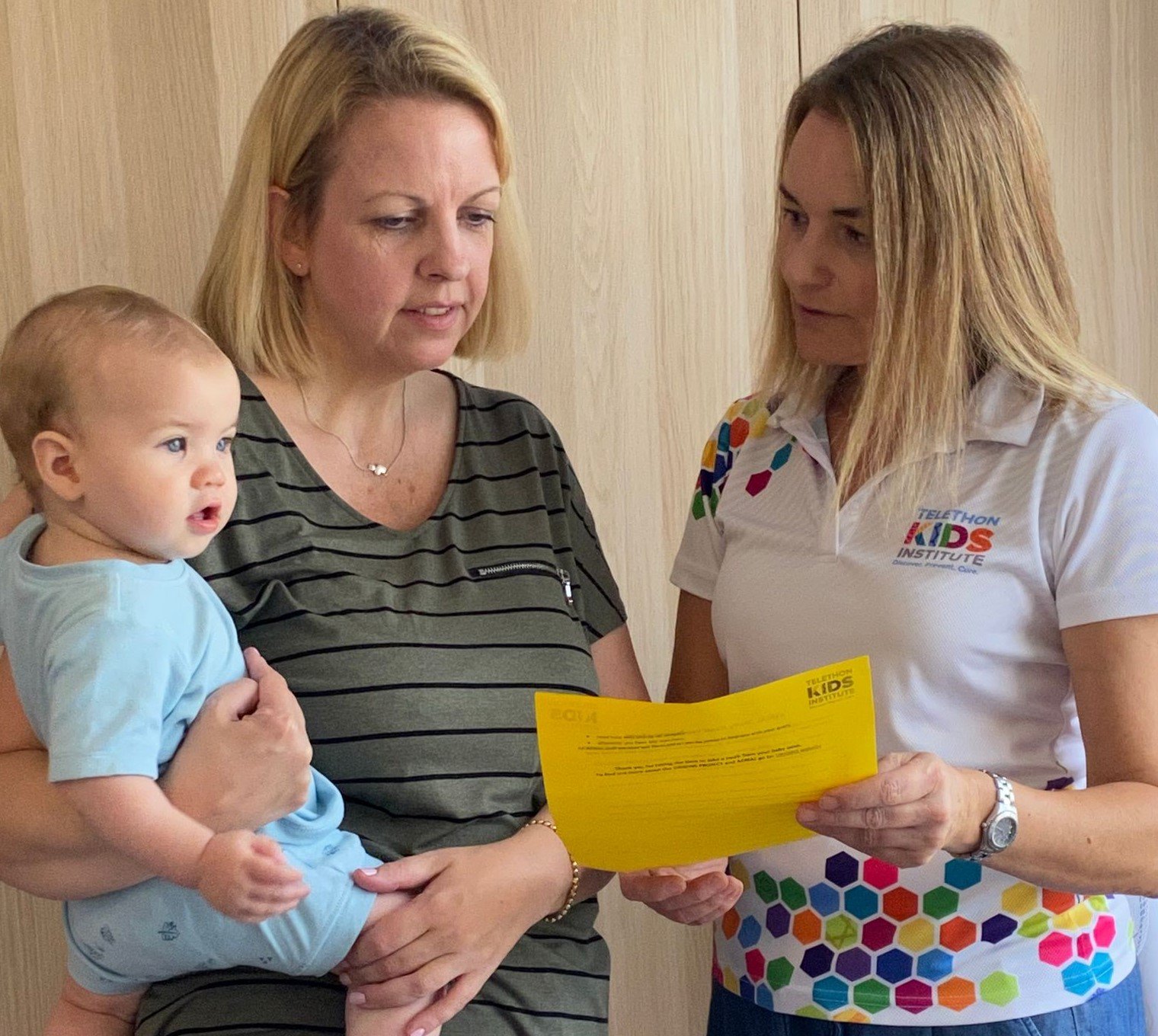
Find answers to frequently asked questions about ORIGINS.
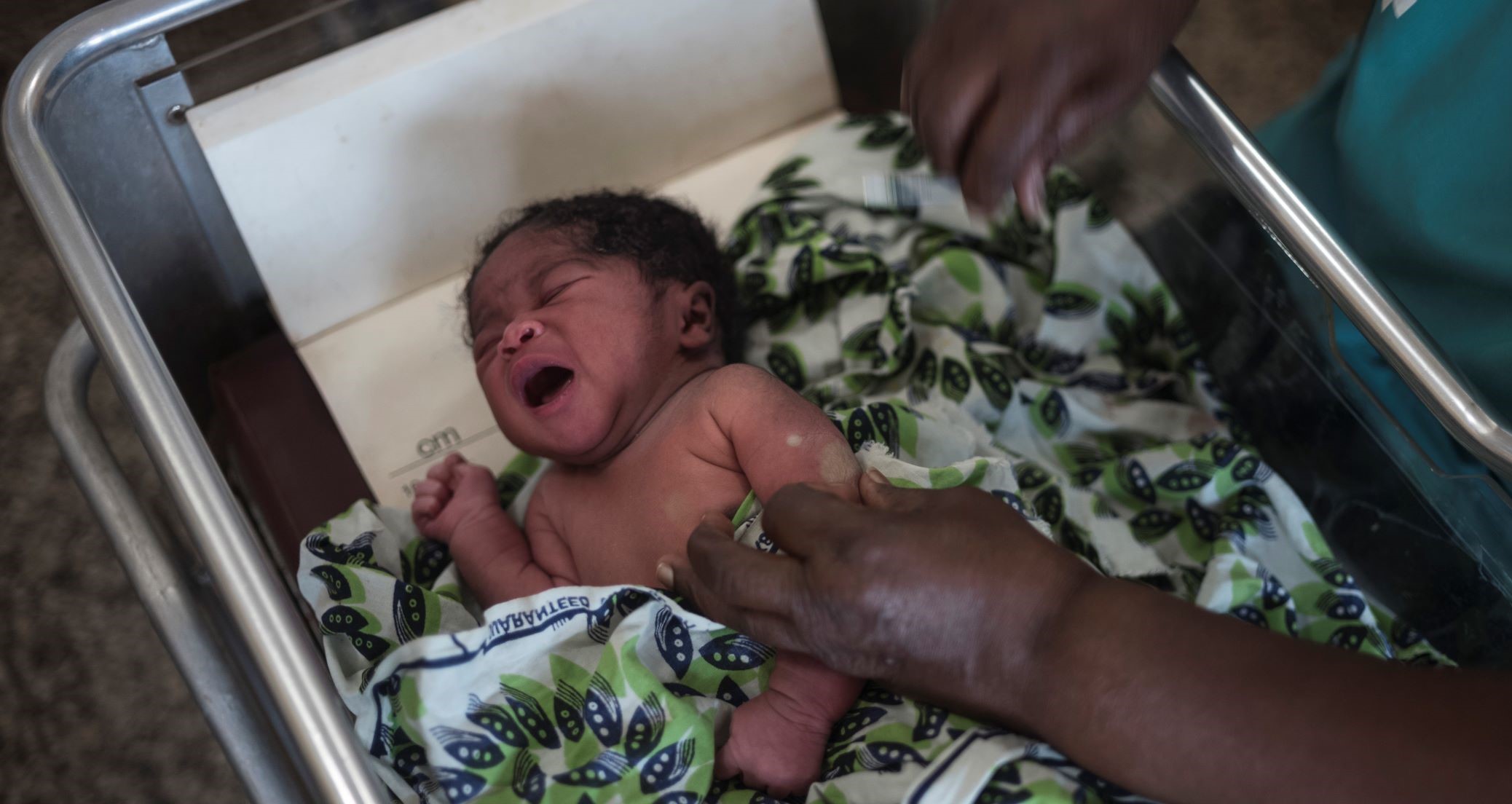
The veteran tuberculosis vaccine BCG has puzzled scientists for decades. Now, The Kids researchers have not only unlocked part of the secret to its success in saving the lives of newborns, but they’re at the forefront of global efforts to test its ability to fight COVID-19.
Sibling profiles, including sibling status (only-child or sibling) and sibling characteristics (sibling size, birth order, and sex), can impact on lived experiences and social interactions, and operate as protective or risk factors for a wide range of health and well-being indicators and outcomes. Using population-based data linkage to disability-specific databases, sibling profiles were compared between families of children with and without neurodevelopmental conditions.
Recurrences frequently occur following surgical removal of primary tumors. In many cancers, adjuvant therapies have limited efficacy. Surgery provides access to the tumor microenvironment, creating an opportunity for local therapy, in particular immunotherapy, which can induce local and systemic anti-cancer effects.

PAHL researchers use their expertise in motivation, behaviour change, resilience, communication, teamwork, confidence, and leadership to develop programs and services that improve people’s physical and mental health.