
Search
Showing results for "mental health aboriginal"
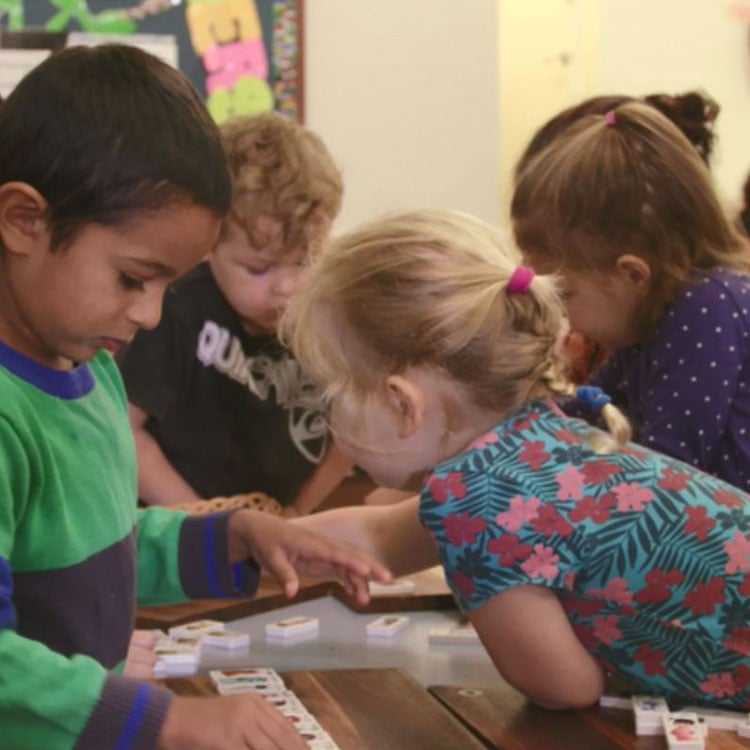
The Western Australian Child Development Atlas will use geospatial technology to map data on Western Australian children’s health, learning, development and social characteristics, giving community leaders and service providers the ability to identify the priority issues for their children.
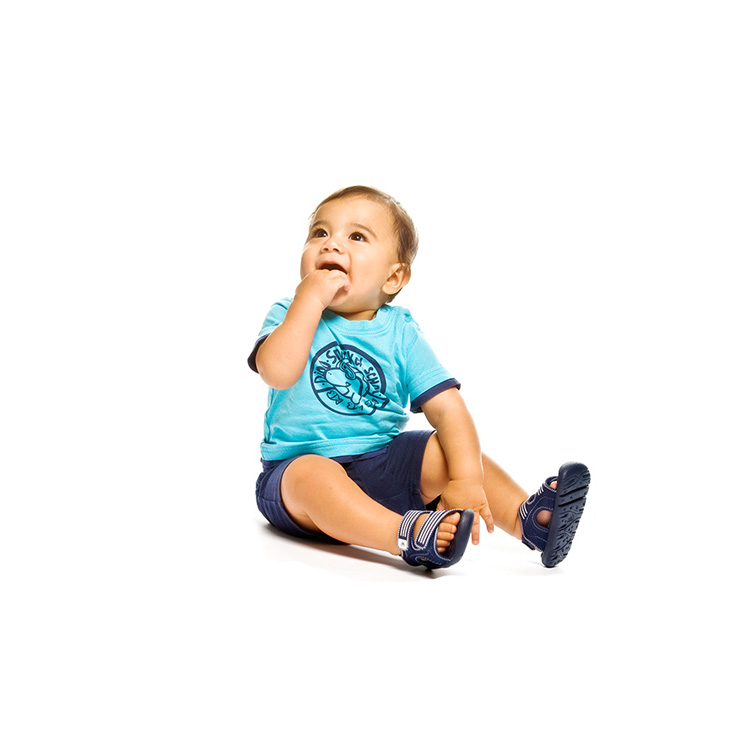
Investigating language interaction with infants and toddlers living in English-speaking households.
Temporal eating patterns and ultra-processed food (UPF) consumption have independently been associated with obesity and non-communicable diseases. Little is known about the temporal patterns of UPF consumption, as data is challenging to collect. Temporal data can be extracted from mobile food records (mFRs). The aim of this study was to identify the temporal eating patterns of those consuming UPFs using an mFR.
First Nations women often experience harmful, inequitable maternity care, shaped by intergenerational trauma and culturally unsafe care. Historical forced removal of First Nations children has created enduring trauma that influences pregnancy and birthing experiences. In the Australian Capital Territory, maternity care is provided through Western biomedical systems, where increasing child protection interventions and fear of surveillance affect women's engagement with care.
Quantifying the extent to which previous infections and vaccinations confer protection against future infection or disease outcomes is critical to managing the transmission and consequences of infectious diseases. We present a general statistical model for predicting the strength of protection conferred by different immunising exposures (numbers, types, and strains of both vaccines and infections), against multiple outcomes of interest, whilst accounting for immune waning.
The Bayley Scales of Infant and Toddler Development are widely used to assess early development, yet evidence for inter-rater reliability in multidisciplinary contexts remains limited. This study evaluated inter-rater reliability and agreement of the newest edition, Bayley-4, at age two years when administered by a multidisciplinary allied health team within a longitudinal cohort.
Human milk is a rich source of immunomodulatory factors that influence the development of the infant immune system, including susceptibility to allergic diseases. Among these components, milk antibodies have been extensively studied for their role in protecting against infections; however, their potential contribution to allergy prevention may be equally important. The mechanisms of protection include allergen exclusion, enhanced and targeted antigen presentation, immune modulation via shaping of the infant gut microbiome, and direct regulation of gut immune responses.

At The Kids, our vision is simple - happy healthy kids. Our goal is to make a real difference in our community to benefit children and families everywhere. Our values underpin the way we work and make decisions: collaboration, courage, evidence, respect.
Meningitis remains the leading infectious cause of neurological disabilities globally, disproportionately affecting children younger than 5 years and populations in the African meningitis belt. Whereas previous global estimates focused on ten pathogen categories, this study presents the most comprehensive analysis to date, assessing the meningitis burden attributable to 17 causative pathogens based on the Global Burden of Diseases, Injuries, and Risk Factors Study (GBD) 2023 framework.
This study investigated adherence to Indonesia's Dietary Guidelines (IDG) among lactating women, examining related factors and association with nutrient intake adequacy, maternal and infant biomarkers, body mass index, and growth. Participants were lactating women (n = 220) from urban and rural West Java, Indonesia. Dietary intake (via 3-day weighed food records), anthropometry and blood samples were assessed. Adherence was evaluated using a scoring system tailored for IDG and adapted from the Healthy Eating Index to assess intake of food groups, sugar, salt, fat, water, coffee, and breakfast habits.