
Search
Showing results for "mental health aboriginal"
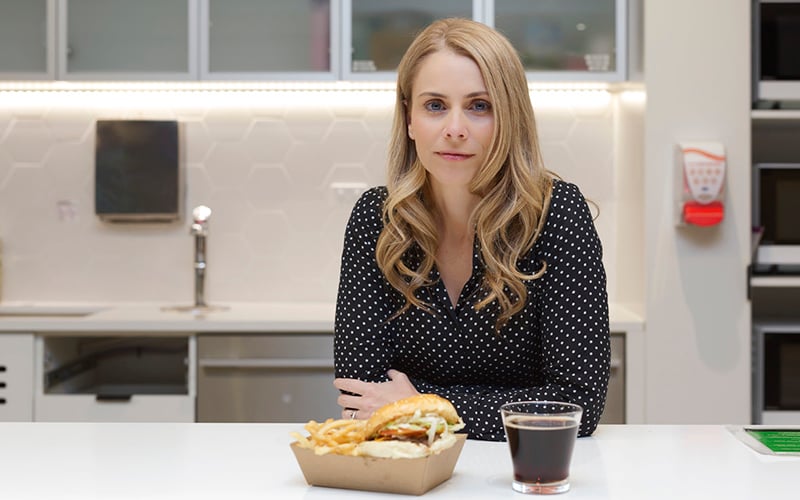
Perth children are being exposed to thousands of junk food ads every year on their way to and from school, a study led by The Kids Research Institute Australia has found.

Mailing list Discover. Prevent. Cure. Be Inspired About The Kids Join thousands of active subscribers and hear about the brave kids, dedicated
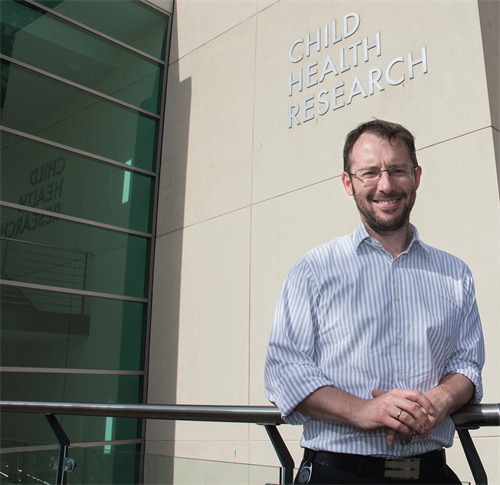
Researchers from The Kids Research Institute Australia and Curtin University will use a $3.9 million grant from the National Health and Medical Research Council to investigate whether a type of whooping cough vaccine could provide bonus protection against food allergies and eczema.
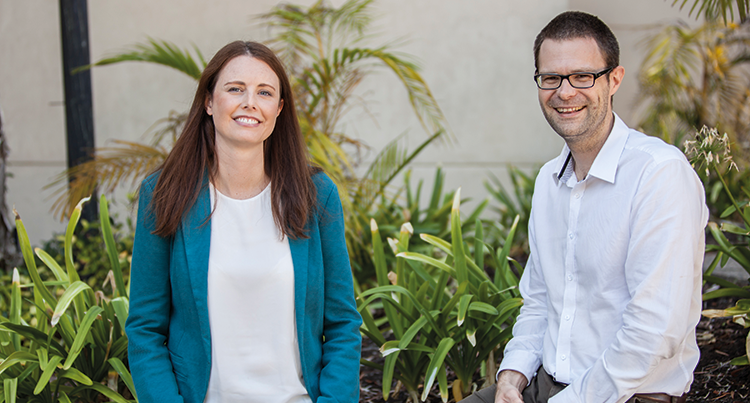
Professor Andrew Whitehouse tells how Australia’s first national guideline for the diagnosis of autism spectrum disorder is going to transform the way the condition is assessed and managed, vastly improving the experience for families.
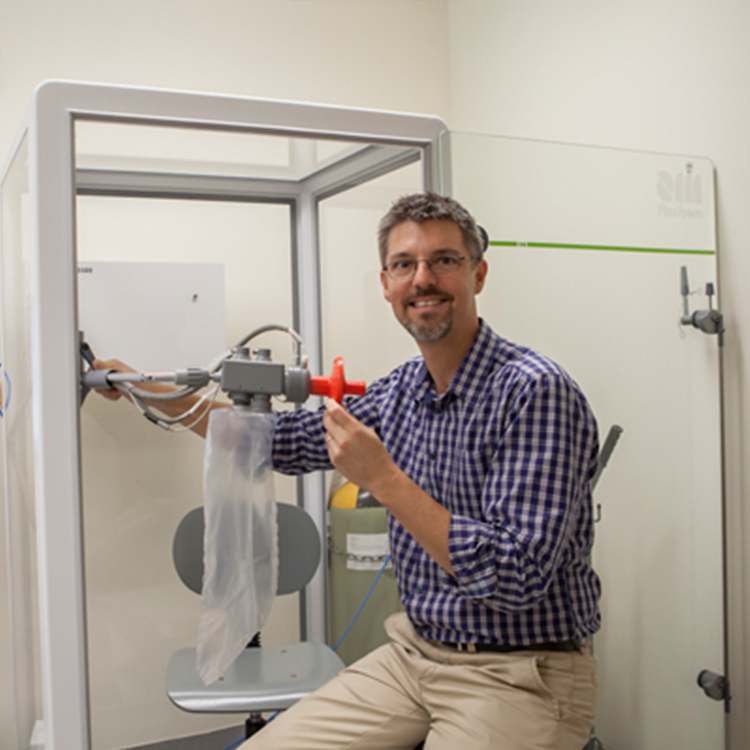
A global research network has taken another step towards standardising the way doctors interpret commonly used lung function tests.
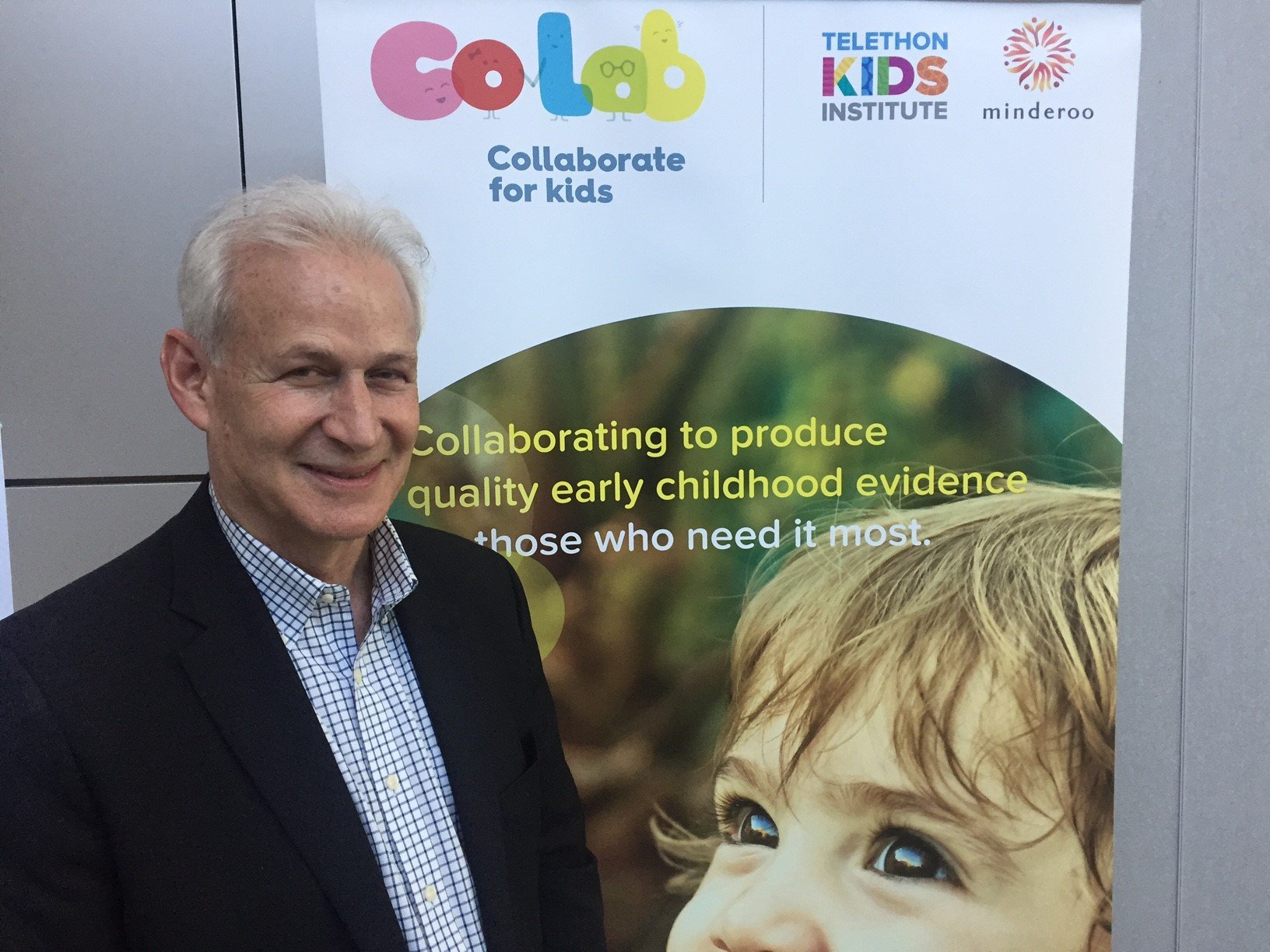
Dr Jack Shonkoff, from Harvard University is visiting Perth this week as a guest of CoLab, Goodstart Early Learning and Child Australia.
Researchers will track the progress of 12,000 children from birth to age five to identify what services are valuable to families to support the health and wellb
There are just a few days left to enter the Meeting of the Minds - Coffee For A Cause auction, in support of The Kids for Child Health Research.

Perth women are being invited to take part in a global study of an exciting new vaccine that could protect against cervical cancer
The The Kids Community stretches far and wide, and is full of inspiring people, doing inspiring things for child health research.