
Search
Showing results for "early lung health"
The Royal Commission into Institutional Responses to Child Sexual Abuse commissioned The Kids Research Institute Australia to collaborate on a report
Orofacial clefts are a group of frequently observed congenital malformations often requiring multiple hospital admissions over the lifespan of affected...
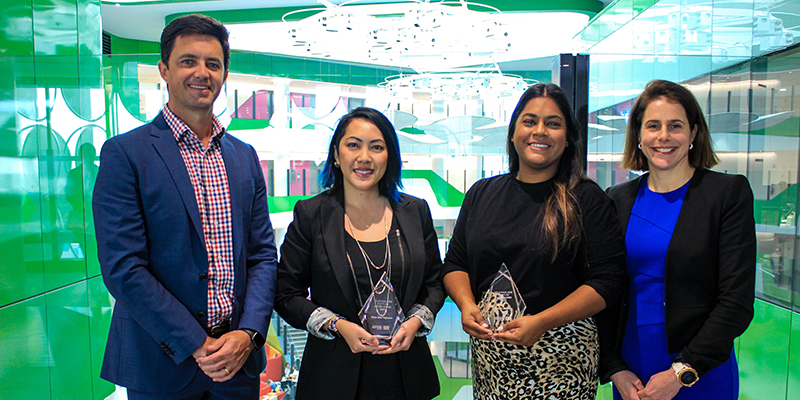
Two of The Kids Research Institute Australia’s best and brightest will share in $10,000 of funding to use for investment in their professional growth through attendance at an international conference, when safe to do so.

Youth mental health researcher Penelope Strauss has been named an AMP Tomorrow Maker – the first researcher from The Kids Research Institute Australia to win one of the annual AMP Foundation grants.
A new study by the Telethon Institute for Child Health Research has called for better collection of data on food sugar levels as obesity levels continue to rise
Research from Perth's The Kids for Child Health Research shows that symptoms of depression in young men may be associated with low vitamin D levels.
Child health expert Professor Fiona Stanley has welcomed today's commitment to proceed with mandatory fortification of food with folate.

Findings of a research study examining the characteristics of service use by a cohort of young people born between 1994-1997 who used four government services.
Findings of a research study examining the characteristics of service use by a cohort of young people born between 1994-1997 who used four government services.

Congratulations to the inaugural Embrace intern, Bobby Zheng, who recently wrapped up a 100-hour paid internship with the Healing Kids, Healing Families team.