
Search
Showing results for "mental health aboriginal"
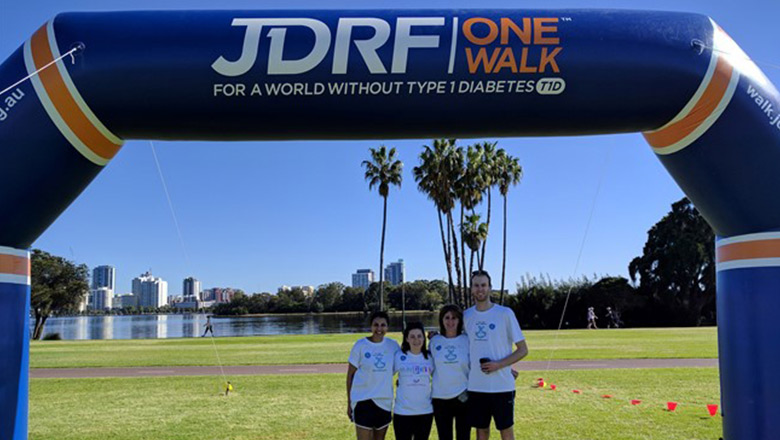
Patients, families and our centre staff members took part in JDRF's One Walk last October to raise funds for type 1 diabetes research.
Research has shown that no matter where our patients reside in WA, whether it be remote or metropolitan based, the ongoing management of diabetes is the same.

CliniKids runs a range of information sessions for parents and caregivers.
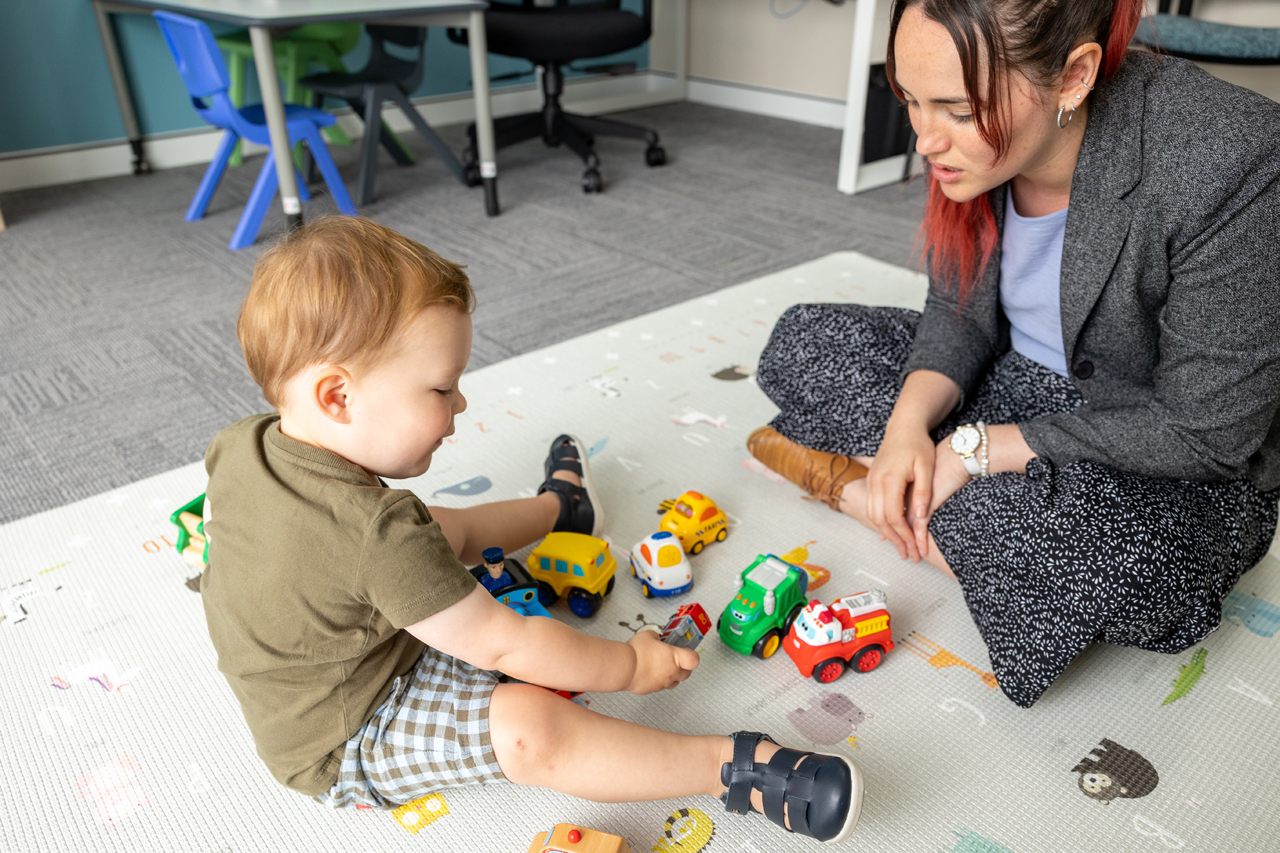
Are you tired of being on waitlists to access supports for your family? CliniKids has immediate availability for a number of therapies and programs in clinic (Subiaco and Joondalup) or via telehealth.
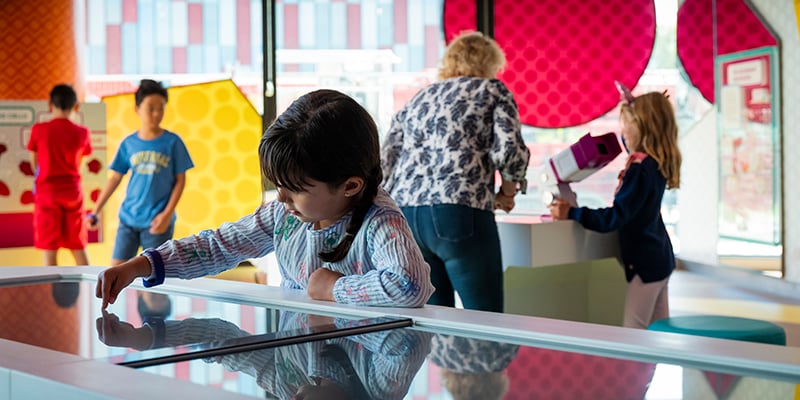
We are delighted to announce that on Monday 6th July 2020 at 9am the Discovery Centre will reopen it’s doors to the public!
At The Kids, our vision is simple - happy healthy kids. Our goal is to make a real difference in our community to benefit children and families everywhere. Our values underpin the way we work and make decisions: collaboration, courage, evidence, respect.
The Bayley Scales of Infant and Toddler Development are widely used to assess early development, yet evidence for inter-rater reliability in multidisciplinary contexts remains limited. This study evaluated inter-rater reliability and agreement of the newest edition, Bayley-4, at age two years when administered by a multidisciplinary allied health team within a longitudinal cohort.
Human milk is a rich source of immunomodulatory factors that influence the development of the infant immune system, including susceptibility to allergic diseases. Among these components, milk antibodies have been extensively studied for their role in protecting against infections; however, their potential contribution to allergy prevention may be equally important. The mechanisms of protection include allergen exclusion, enhanced and targeted antigen presentation, immune modulation via shaping of the infant gut microbiome, and direct regulation of gut immune responses.
To identify Helicobacter pylori and related oncogenic and virulent proteins in patients with gingivitis, periodontitis, oral cancer and gastric cancer.
Preschool aged children with cerebral palsy (CP) and like conditions are at risk of performing below their peers in key skill areas of school readiness. Kindy Moves was developed to support school readiness in preschool aged children with CP and like conditions that are dependent on physical assistance and equipment throughout the day. The primary aims are to determine the feasibility of motor-based interventions that are functional and goal directed, adequately dosed and embedded into a play environment with interdisciplinary support to optimise goal-driven outcomes.