
Search
Showing results for "early lung health"
Multiple lifestyle risk factors exhibit a stronger association with non-communicable diseases (NCDs) compared to a single factor, emphasizing the necessity of considering them collectively. By integrating these major lifestyle risk factors, we can identify individuals with an overall unhealthy lifestyle, which facilitates the provision of targeted interventions for those at significant risk of NCDs. The aim of this study was to evaluate the socio-demographic correlates of unhealthy lifestyles among adolescents and adults in Ethiopia.
Viral haemorrhagic fevers (VHF) cause significant economic and public health impact in Sub-Saharan Africa. Community knowledge, awareness and practices regarding such outbreaks play a pivotal role in their management and prevention. This study was carried out to assess community knowledge, attitude and practices regarding VHF in five geo-ecological zones in Tanzania.

Thomas Betts is a semi-finalist in the National Indigenous Times Indigenous Community Leadership Award.
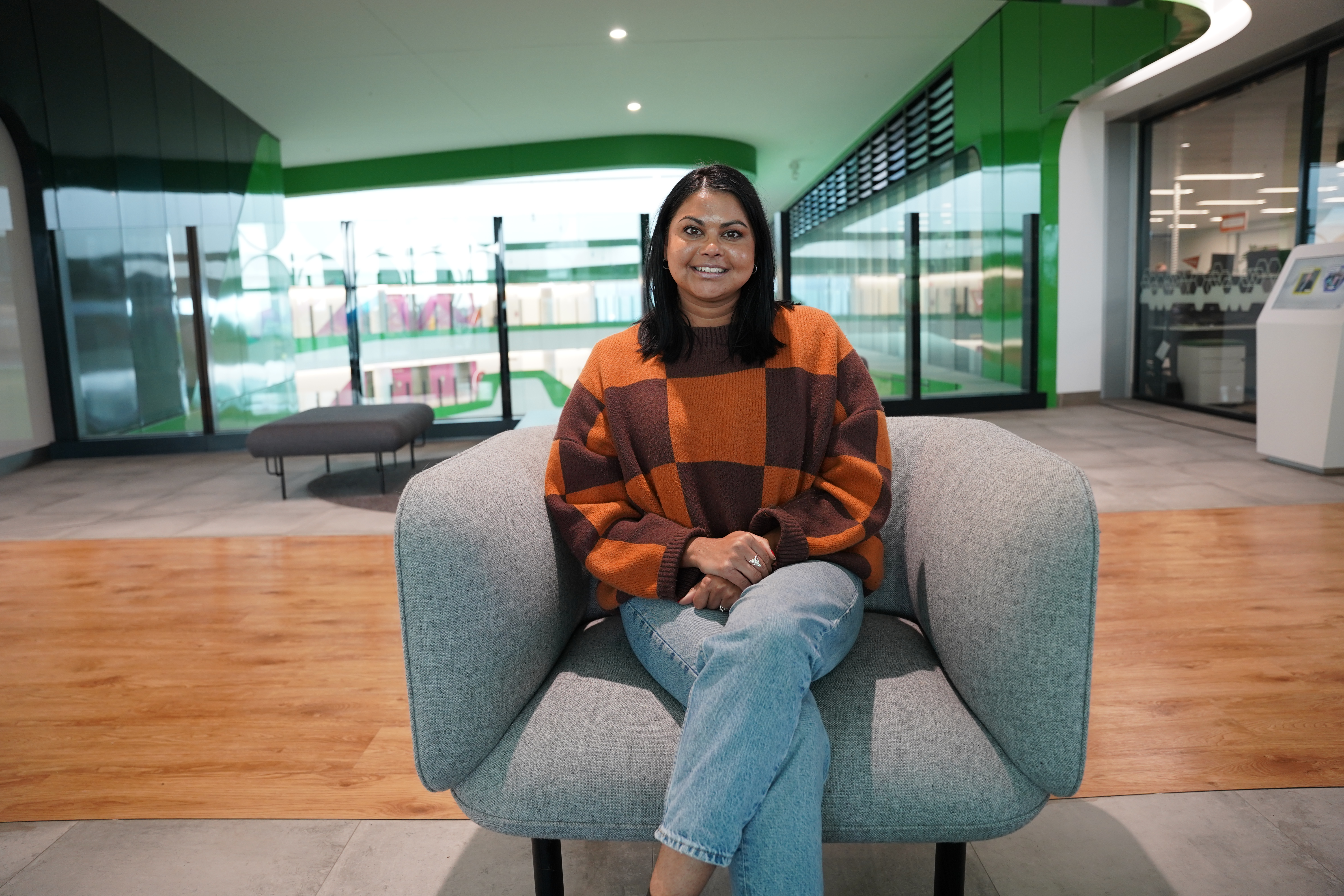
A mentally healthy future for all children About Embrace Embrace @ The Kids Research Institute Australia is Western Australia’s first research
Parents and carers reported on the health, school, telephone counselling and online services used by young people, as well as any medication taken.
Environmental factors including household crowding and inadequate washing facilities underpin recurrent streptococcal infections in childhood that cause acute rheumatic fever (ARF) and subsequent rheumatic heart disease (RHD).
Carol Melissa Bower O'Donnell MBBS MSc PhD FAFPHM DLSHTM FPHA BPsych (Hons), MPsych, GradDip Ed, PhD Honorary Emeritus Fellow Honorary Research
The list of The Siblings Project publications
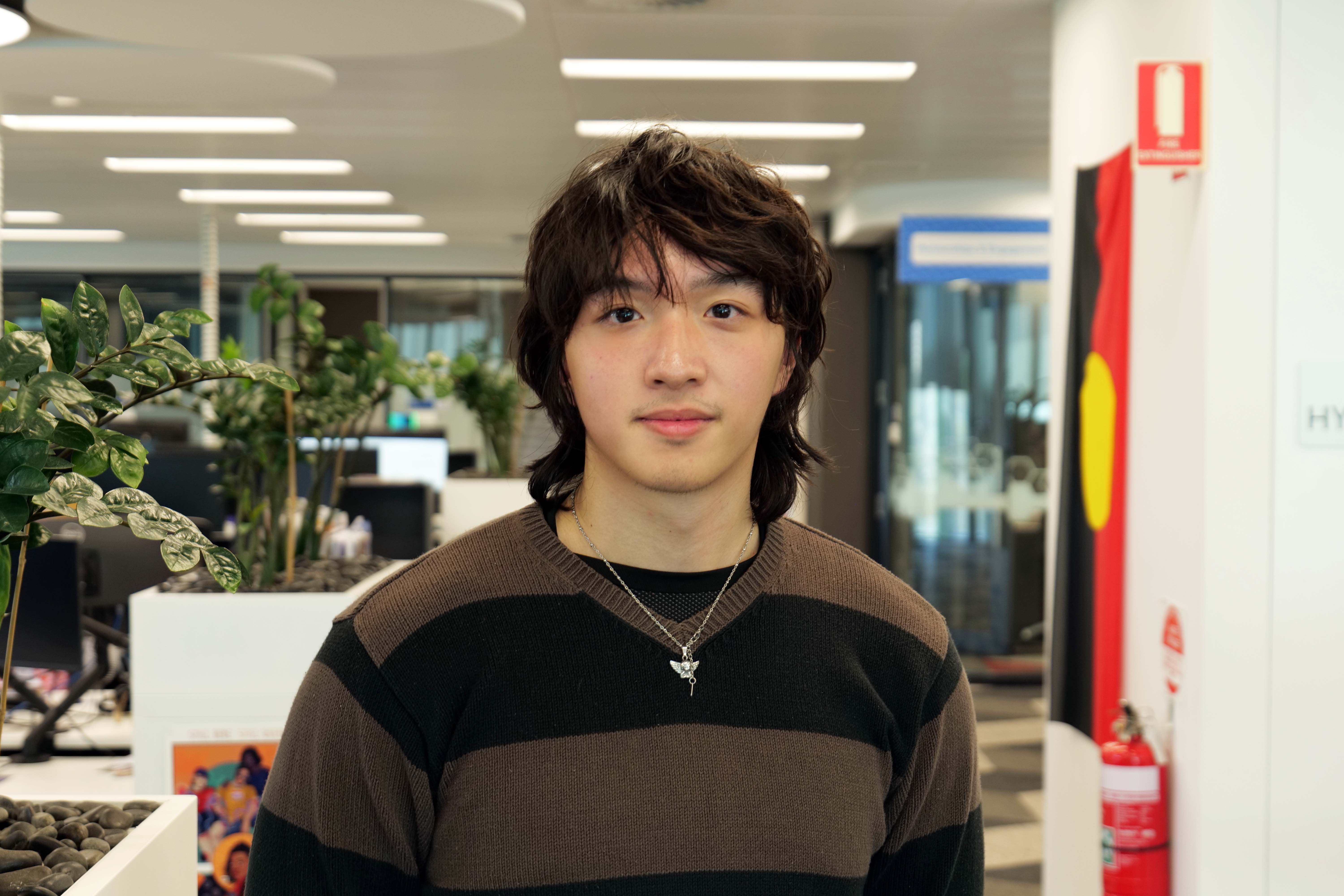
Congratulations to the inaugural Embrace intern, Bobby Zheng, who recently wrapped up a 100-hour paid internship with the Healing Kids, Healing Families team.
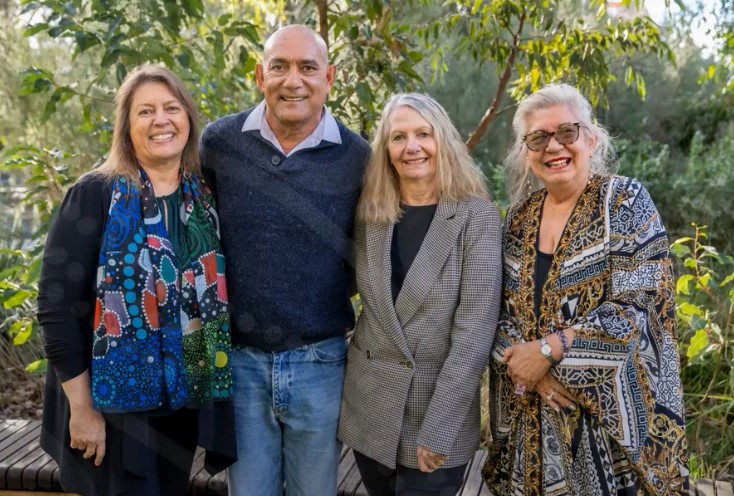
Professor Helen Milroy, Michael Mitchell, and Professors Roz Walker and Pat Dudgeon sat on the panel to discuss Working Together, 10 years on.