
Search
Showing results for "clinical trials"
dentifying the outcomes that matter in clinical research is important, especially those that matter to patients and their parents/guardians. Consistency in outcome reporting enables meaningful assessments of interventions and facilitates comparison of results across trials. The aim of this study was to develop core outcome sets for pediatric perioperative research.
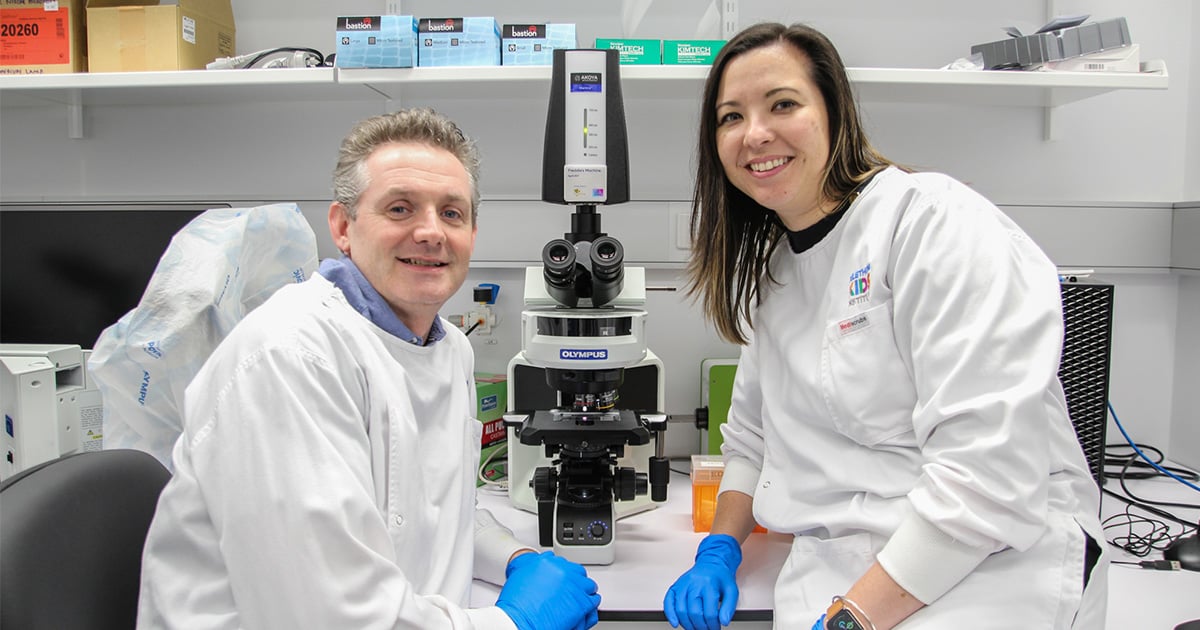
The WA Kids Cancer Centre has secured $1.1 million in funding from the Medical Research Future Fund’s (MRFF) Paediatric Brain Cancer Research Stream 2 to develop more effective and less toxic treatments for rare brain cancers in infants.
Antimicrobials are the most commonly prescribed drug class in children. Overuse through inappropriate prescribing is a key driver of antimicrobial resistance and is recognized as one of the top 10 threats to global health by the World Health Organization.
Britta Regli-von Ungern-Sternberg AM FAHMS MD, PhD, DEAA, FANZA Chair of Paediatric anaesthesia, University of Western Australia; Consultant
Invasive fungal infections are more common in children with high-risk acute lymphoblastic leukaemia and in relapsed disease
Our objective was to examine influenza vaccine safety in Australian children aged under 10 years in 2013.
Most COVID-19 vaccines are designed to elicit immune responses, ideally neutralizing antibodies (NAbs), against the SARS-CoV-2 spike protein. Several vaccines, including mRNA, adenoviral-vectored, protein subunit and whole-cell inactivated virus vaccines, have now reported efficacy in phase III trials and have received emergency approval in many countries.
Christopher Jennifer Peter Blyth Kent Richmond MBBS (Hons) DCH FRACP FRCPA PhD RN MBBS MRCP(UK) FRACP Centre Head, Wesfarmers Centre of Vaccines and
Pat Peter Tom Holt Richmond Snelling PhD, DSc, FRCPath, FRCPI, FAA MBBS MRCP(UK) FRACP BMBS DTMH GDipClinEpid PhD FRACP Emeritus Honorary Researcher
This study compared the potency and immunomodulatory effects of measles mumps rubella (MMR) vaccine given to infants alone or in combination with varicella...