
Search
Showing results for "mental health aboriginal"
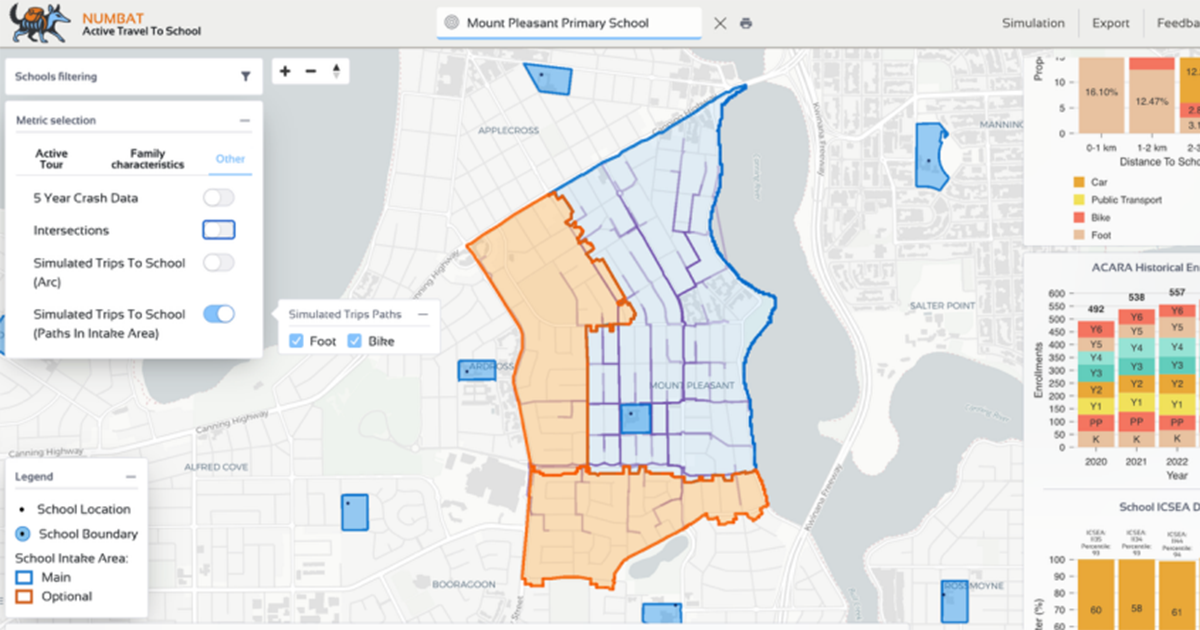
A powerful new digital modelling tool is helping tackle an emerging challenge in children’s health – the dramatic decline in walking and cycling to school.
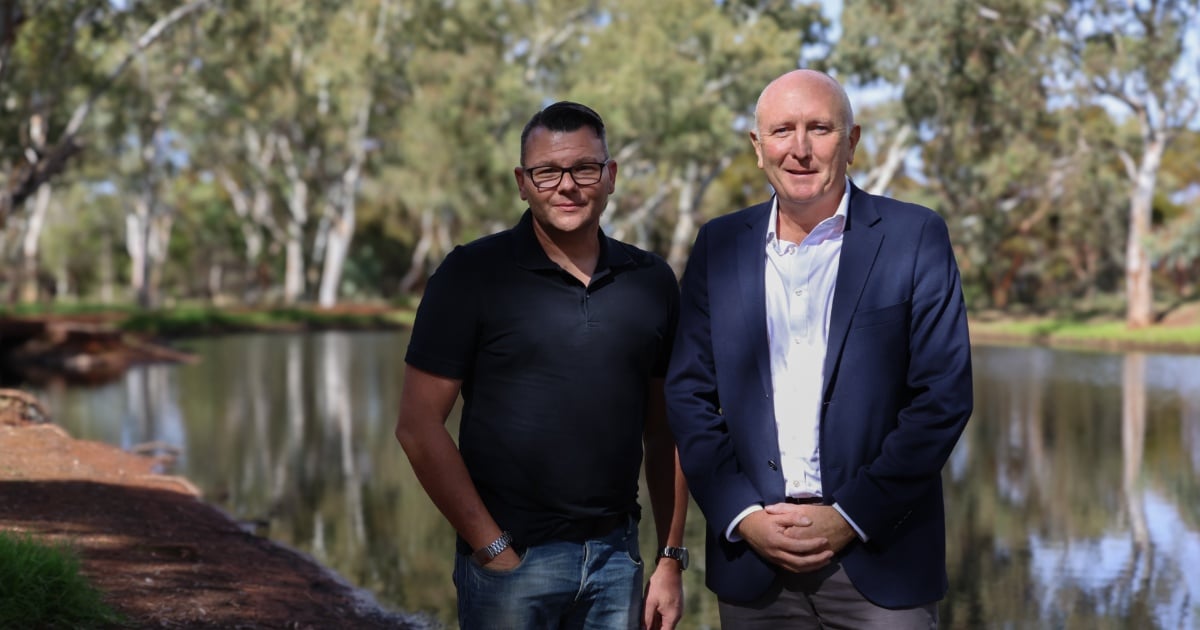
Scientists at The Kids Research Institute Australia are taking their fight against antibiotic- resistant superbugs to the Goldfields working alongside local Indigenous communities and councils.
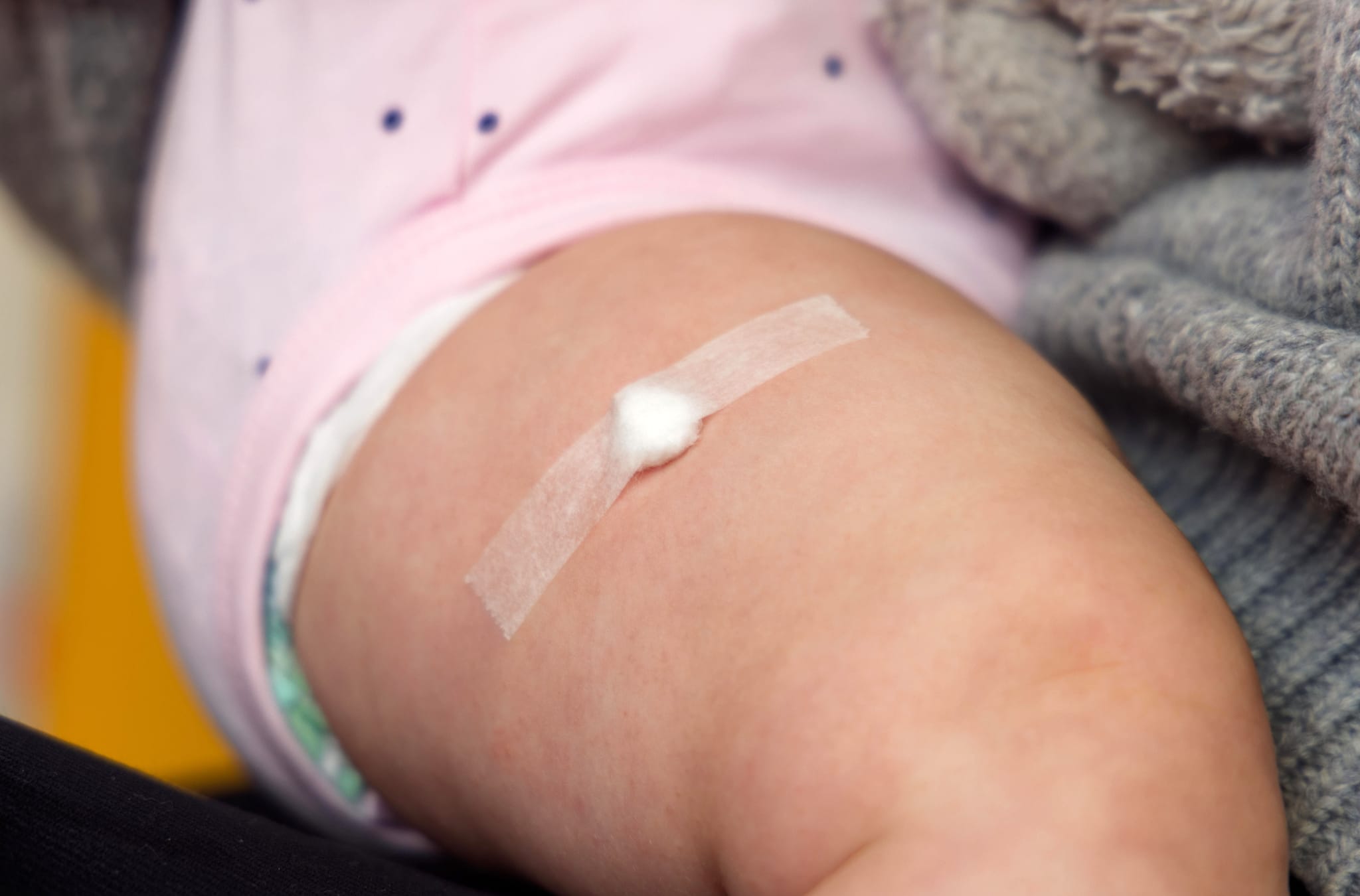
10,000 families participating in research by The Kids Research Institute Australia have demonstrated the effectiveness of a simple text message for increasing the number of children receiving their vaccinations on time.

First-of-its-kind findings show that newborns exclusively fed colostrum in their first 72 hours of life were five times less likely to develop a peanut allergy by 12-18 months, and 11 times less likely to develop multiple food allergies (such as egg or cow’s milk) compared with infants who also received formula

Two projects led by The Kids Research Institute Australia have been awarded more than $2.5 million to fund innovative ideas focused, respectively, on combating persistent ear infections and investigating how dangerous fungi invade the bodies of immunocompromised people.

Congratulations to four outstanding The Kids Research Institute Australia researchers who have received funding designed to support researchers who have narrowly missed out on highly competitive national funding.

Senior Research Officer from The Kids Research Institute Australia’s Human Development and Community Wellbeing team, Robyn Johnston, says now is actually a good time to start talking to them about alcohol - before they transition to the teenage years.
A global consortium of Group A Streptococcus (Strep A) researchers has launched a series of best practice surveillance protocols designed to unite international research efforts for a world-first Strep A vaccine.

The urgency for a world-first respiratory syncytial virus vaccine is at an all-time high.

Western Australia’s Omicron outbreak is far from over, with new modelling showing the number of total infections is only at its half-way point.