
Search
Showing results for "early lung health"
Serotype 24F is one of the emerging pneumococcal serotypes after the introduction of pneumococcal conjugate vaccine (PCV). We aimed to identify lineages driving the increase of serotype 24F in France and place these findings into a global context.
Media guidelines for the responsible reporting of suicide are a recognized universal suicide prevention intervention. While implemented in numerous countries, including Australia, little is known about whether they are cost-effective.
This study aimed to assess the effect of iron deficiency on parent-reported changes in quality of life (QOL) among children receiving an adenotonsillectomy for paediatric obstructive sleep apnoea (OSA).
Streptococcus pneumoniae is a key contributor to childhood morbidity and mortality in Papua New Guinea (PNG). For the first time, whole genome sequencing of 174 isolates has enabled detailed characterisation of diverse S. pneumoniae causing invasive disease in young children in PNG, 1989-2014.
Globally, Indigenous people have a greater incidence and earlier onset of diabetes than the general population and have higher documented rates of emotional distress and mental illness. This systematic review will provide a synthesis and critical appraisal of the evidence focused on the social and emotional well-being of Indigenous peoples living with diabetes, including prevalence, impact, moderators, and the efficacy of interventions.
This tool is designed to help current and future parents and caregivers as well as health care providers. It is currently based on the 2026 Western Australian RSV immunisation program.
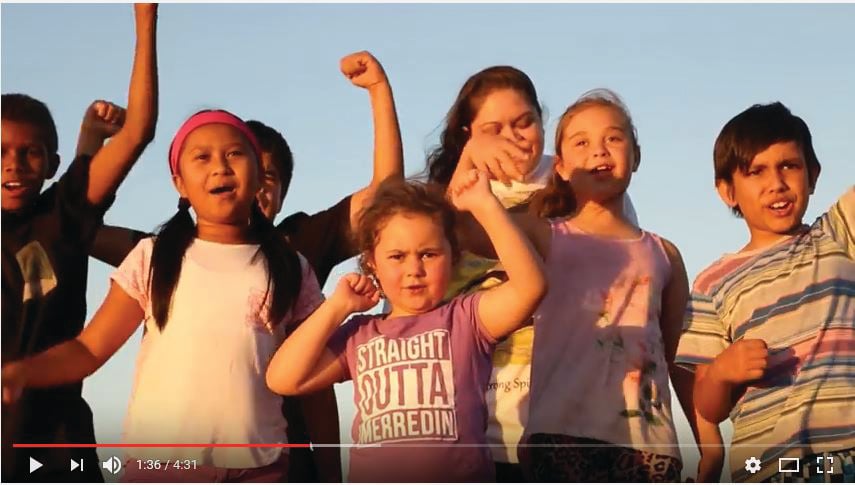
An innovative program set to run for about two and a half years aims to halve the number of children affected by skin infections.
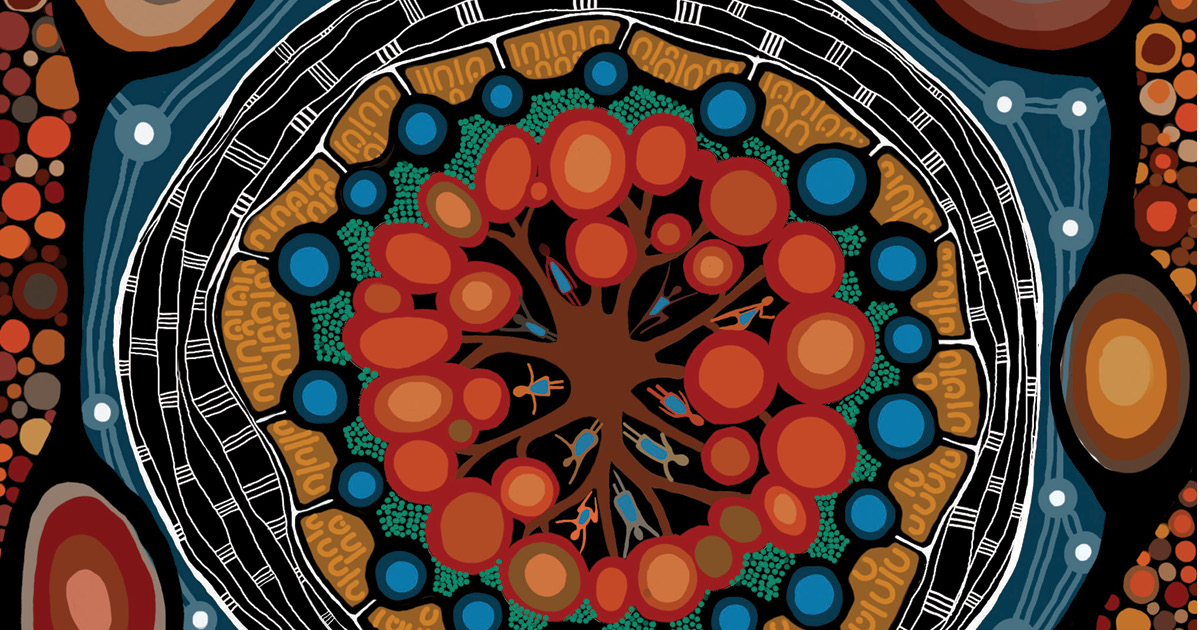
Life imitates art in a new project that seeks to entrench cultural safety for young Aboriginal and Torres Strait Islander people into WA’s mental health system.
The Kids Research Institute Australia and Bankwest partnered together from 2019-2022 to develop a cyber safety app that provides parents and carers with the knowledge and skills to help their children thrive in a digital world.
At the American Society of Tropical Medicine and Hygiene (ASTMH) Annual Meetings in 2024 and 2025, our team convened stakeholder engagement sessions on next-generation malaria vaccines.