
Search
Showing results for "mental health aboriginal"
Soil-transmitted helminth (STH) infection control programs typically consist of school-based preventive chemotherapy (PC) targeted to school-aged children. STH reservoirs in untreated community members contribute to ongoing transmission in children. The CoDe-STH (Community Deworming against STH) trial, conducted in Dak Lak province, Vietnam, between October 2019 and November 2020, aimed to determine whether community-wide mass drug administration (MDA) is more effective than school-based targeted PC in reducing STH prevalence and intensity in children.
Australia has a long history of population-based immunisation programs including legislations. This paper reports on a review of evaluations of the impact of the federal No Jab No Pay (NJNPay) and state implemented No Jab No Play (NJNPlay) legislations on childhood immunisation coverage and related parental attitudes.
About The Autism Register
PICOBOO is a randomised, adaptive trial evaluating the immunogenicity and reactogenicity of licensed COVID-19 booster vaccines in immunocompetent individuals >12 years old. Here, we present data for seven different vaccines among three pre-specified participant strata defined by age and primary vaccine schedule.
The bone marrow microenvironment plays a key role in leukemia progression, but its molecular complexity in pre-B cell acute lymphoblastic leukemia (B-ALL), the most common cancer in children, remains poorly understood. To gain further insight, we used single-cell RNA sequencing to characterize the kinetics of the murine BMM during B-ALL progression.
The bone marrow microenvironment (BMM) plays a key role in leukemia progression, but its molecular complexity in pre-B cell acute lymphoblastic leukemia (B-ALL), the most common cancer in children, remains poorly understood. To gain further insight, we used single-cell RNA sequencing to characterize the kinetics of the murine BMM during B-ALL progression.

with Leah Pascoe
PICOBOO is a randomised, adaptive trial evaluating the immunogenicity, reactogenicity, and safety of COVID-19 booster strategies. Here, we present data for second boosters among individuals aged 18-<50 and 50-<70 years old primed with BNT162b2 until Day (D) 84.
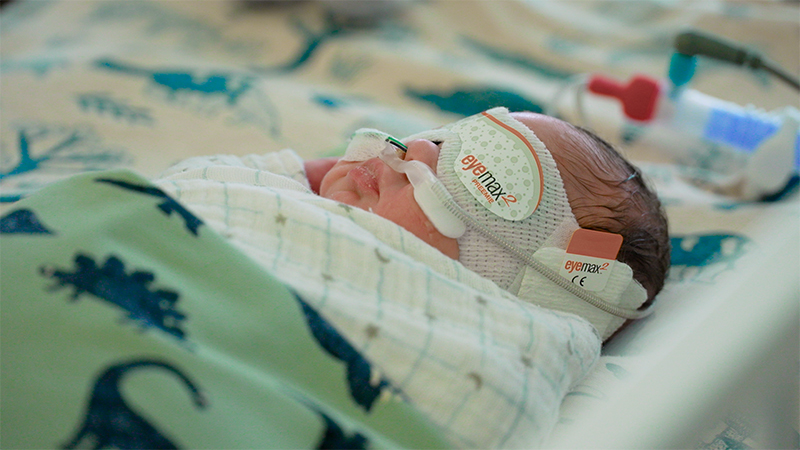
Researchers will fit nearly 500 preterm babies with tiny eye masks and earplugs for the study.

We're committed to involving consumers and the community in all aspects of our research.