
Search
Showing results for "early lung health"
Environmental factors including household crowding and inadequate washing facilities underpin recurrent streptococcal infections in childhood that cause acute rheumatic fever (ARF) and subsequent rheumatic heart disease (RHD).
Carol Melissa Bower O'Donnell MBBS MSc PhD FAFPHM DLSHTM FPHA BPsych (Hons), MPsych, GradDip Ed, PhD Honorary Emeritus Fellow Honorary Research
The list of The Siblings Project publications

National research led by the Wesfarmers Centre of Vaccines and Infectious Diseases, based at The Kids Research Institute Australia, has secured more than $3.4 million to assess the epidemiology of respiratory syncytial virus (RSV) throughout the country and optimise Australia’s immunisation strategy.
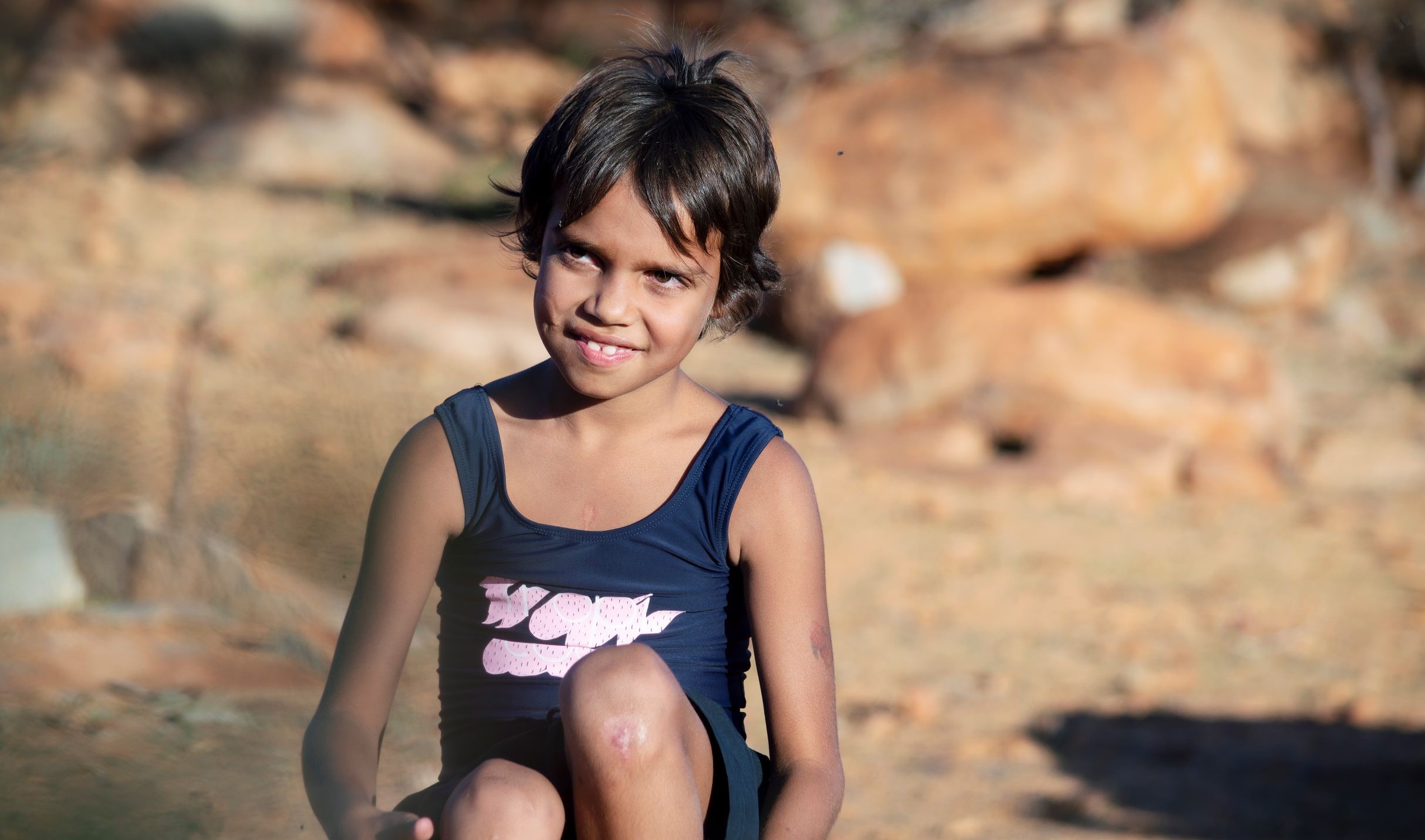
Five years of intensive collaboration between researchers, clinicians, Aboriginal Community Controlled Health Organisations, and government and non-government organisations have finally put the long-fought for goal of ending RHD within reach.
The first inhabitants of Australia and the traditional owners of Australian lands are the Aboriginal and Torres Strait Islander peoples. Aboriginal and Torres Strait Islander peoples are two to four times more likely to have systemic lupus erythematosus (SLE) than the general Australian population.
Mild stroke affects more than half the stroke population, yet there is limited evidence characterizing cognition over time in this population, especially with predictive approaches applicable at the individual-level. We aimed to identify patterns of recovery and the best combination of demographic, clinical, and lifestyle factors predicting individual-level cognitive state at 3- and 12-months after mild stroke.
Infants born before 28 weeks' gestation account for approximately 75% of neonatal morbidity and mortality. Late-onset sepsis (LOS) affects around 25% of these infants and is associated with an increased risk of adverse long-term outcomes. The topical application of coconut oil has been used for centuries in newborn care. Coconut oil is rich in saturated fatty acids, several of which have demonstrated antimicrobial properties. It is considered safe for extremely preterm infants, improves skin condition and may reduce the incidence of LOS.
It's normal for children and teenagers to experience a range of emotions, including sadness, however childhood depression is more than just feeling sad.
Siblings of individuals with neurodevelopmental conditions are situated within a complex system of risk and resilience factors for poor outcomes, many of which overlap with the risk of traumatic brain injury and correlate with poorer recovery trajectories.