

Clinical Research Manager
This is a protocol for a Cochrane Review (intervention). The objectives were to assess the efficacy and safety of whole‐cell pertussis (wP) vaccinati…
This chapter deals with asbestos-related non-malignant pleural disease and mesothelioma.
As the rise in prevalence of allergic diseases worldwide corresponds in time with increasing infant vaccination, it has been hypothesized that childh…
The association between early-life respiratory syncytial virus infections and later respiratory morbidity is well established. However, there is limi…
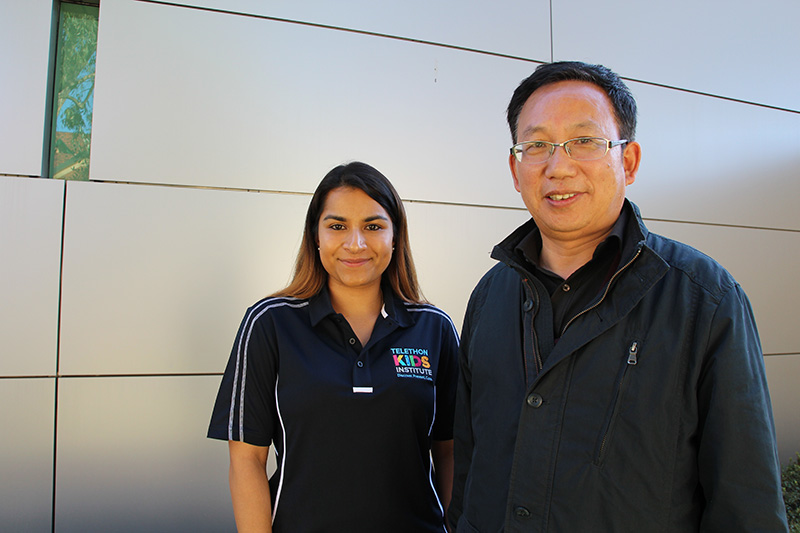
have an increased risk of allergies, hay fever and asthma, new research led by Curtin University and The ... immune system, which in turn causes a hi…
In this Review, we consolidate the latest updates in the development of primary epithelial cellular model systems relevant for cystic fibrosis
Population-appropriate lung function reference data are essential to accurately identify respiratory disease and measure response to interventions.
This study utilises a community-level approach to develop resources to encourage cybersafety and a positive transition from primary to secondary scho…
We show that vlincRNAs genes likely function in cis to activate nearby genes