
Search
Showing results for "early lung health"
Hand burns are a key criterion for immediate referral to tertiary burn centres in Australia, New Zealand, and internationally, yet few studies have examined how paediatric burn epidemiology, surgical management, and length of stay differ according to the extent of hand involvement.

The END RHD CRE is producing a costed, step-wise strategy to end rheumatic heart disease (RHD) as public health priority in Australia.
As both mechanistic and geospatial malaria modeling methods become more integrated into malaria policy decisions, there is increasing demand for strategies that combine these two methods. This paper introduces a novel archetypes-based methodology for generating high-resolution intervention impact maps based on mechanistic model simulations. An example configuration of the framework is described and explored.
To present a case study of the considerations of mandatory fortification with folic acid in Australia and New Zealand.
The human landing catch (HLC) method, in which human volunteers collect mosquitoes that land on them before they can bite, is used to quantify human exposure to mosquito vectors of disease. Comparing HLCs in the presence and absence of interventions such as repellents is often used to measure protective efficacy (PE).

The Sibling Project focuses on children, adolescents and emerging adults who have a sibling with a disability, investigating their mental health, relationships and quality of life.
Melissa O'Donnell BPsych (Hons), MPsych, GradDip Ed, PhD Honorary Research Associate Honorary Research Associate Areas of research expertise: Child

At The Kids Research Institute Australia our researchers are searching for answers to improve the health and wellbeing of children and families.
The in-vivo plasma concentration of penicillin needed to prevent Streptococcus pyogenes pharyngitis, recurrent acute rheumatic fever, and progressive rheumatic heart disease is not known. We used a human challenge model to assess the minimum penicillin concentration required to prevent streptococcal pharyngitis.
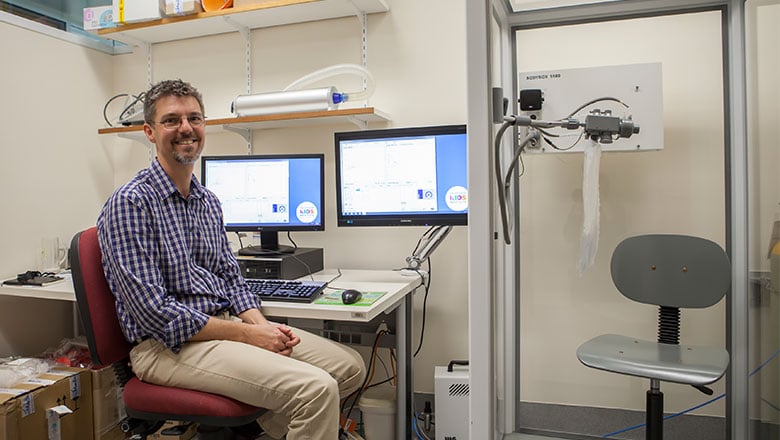
Professor Graham Hall is looking at the effect of air travel on premature babies, with his research already contributing to international guidelines.