
Search
Showing results for "mental health aboriginal"
The RNA-binding protein IGF2BP3 is an oncofetal protein overexpressed in B-acute lymphoblastic leukemia and is critical for leukemogenesis in experimental models. With cancerspecific expression, functional dispensability for normal development, and an unleveraged prooncogenic function in mRNA homeostasis, IGF2BP3 represents an excellent target.
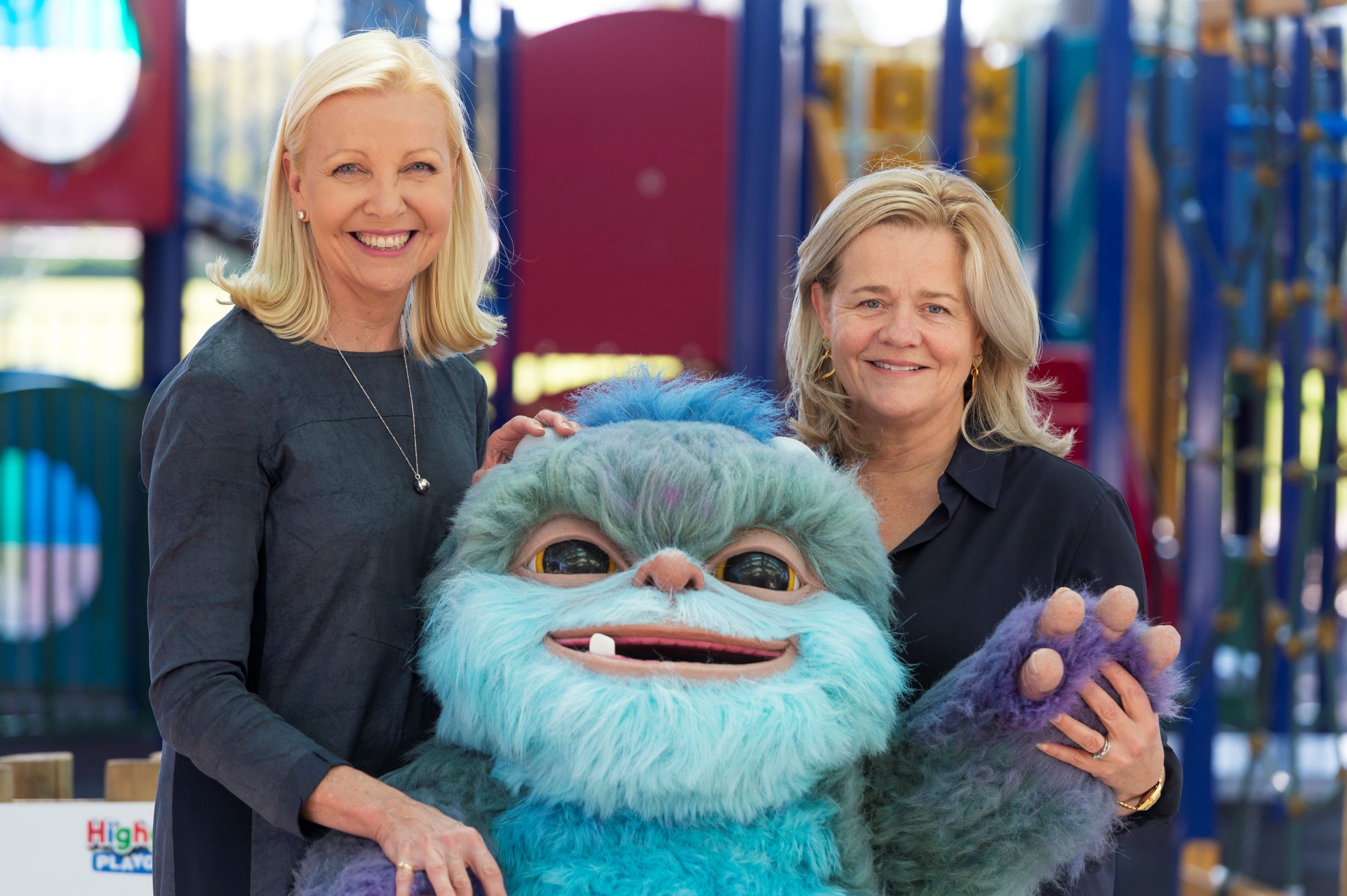
A comprehensive app produced by The Kids researchers has offered parents a lifeline as they try to cope with the isolation and disruption caused by coronavirus.
PEGasparaginase is known to be a critical drug for treating pediatric acute lymphoblastic leukemia (ALL), however, there is insufficient evidence to determine the optimal dose for infants who are less than one year of age at diagnosis. This international study was conducted to identify the pharmacokinetics of PEGasparaginase in infants with newly diagnosed ALL and gather insight into the clearance and dosing of this population.
Understanding hospital service use among children with a diagnosis of craniosynostosis is important to improve services and outcomes. This study aimed to describe population-level trends, patterns, and factors influencing hospitalizations for craniosynostosis in Western Australia.
T-cell lymphoblastic lymphoma (T-LBL) is a rare and aggressive lymphatic cancer, often diagnosed at a young age. Patients are treated with intensive chemotherapy, potentially followed by a hematopoietic stem cell transplantation. Although prognosis of T-LBL has improved with intensified treatment protocols, they are associated with side effects and 10-20% of patients still die from relapsed or refractory disease. Given this, the search toward less toxic anti-lymphoma therapies is ongoing.

Staples has been appointed as The Kids Research Institute Australia's exclusive supply partner for stationery and workplace supplies, ICT equipment and print services.
Outcomes for infants diagnosed under 1 year of age with KMT2A-rearranged acute lymphoblastic leukemia (ALL) have remained stagnant over the past 20 years. Successive treatment protocols have previously focused on intensification of conventional chemotherapy, but increased treatment-related toxicity and chemoresistance have led to a plateau in survival.
KMT2A-rearranged infant acute lymphoblastic leukemia (ALL) represents the most refractory type of childhood leukemia. To uncover the molecular heterogeneity of this disease, we perform RNA sequencing, methylation array analysis, whole exome and targeted deep sequencing on 84 infants with KMT2A-rearranged leukemia.
Acute leukaemia is the most common childhood malignancy. Almost all cases are classified as acute lymphoblastic leukaemia or acute myeloid leukaemia. Acute leukaemia of ambiguous lineage (ALAL) is a rare form of acute leukaemia that cannot be classified by a single lineage. Like other acute leukaemias, ALAL typically presents with nonspecific symptoms such as fatigue, fever, or bleeding.
Respiratory syncytial virus (RSV) is the most common cause of acute lower respiratory infection in young children. We previously estimated that in 2015, 33·1 million episodes of RSV-associated acute lower respiratory infection occurred in children aged 0-60 months, resulting in a total of 118 200 deaths worldwide.