
Search
Showing results for "early lung health"
The Kids Research Institute Australia has been commissioned to investigate outcomes for children who have left out-of-home care and are currently 25 years of age.

Join a Focus Group for the Sibling Support Study! Researchers from The Kids Research Institute Australia are conducting research which explores the
The most common cause of morbidity and mortality in children with severe cerebral palsy (CP) is respiratory disease. BREATHE-CP (Better REspiratory and Airway Treatment and HEalth in Cerebral Palsy) is a multidisciplinary research team who have conducted research on the risk factors associated with CP respiratory disease, a systematic review on management and a Delphi study on the development of a consensus for the prevention and management of respiratory disease in CP.
View The Kids Research Institute Australia's 2024 impact report
At The Kids Research Institute Australia, our vision is simple - happy healthy kids.
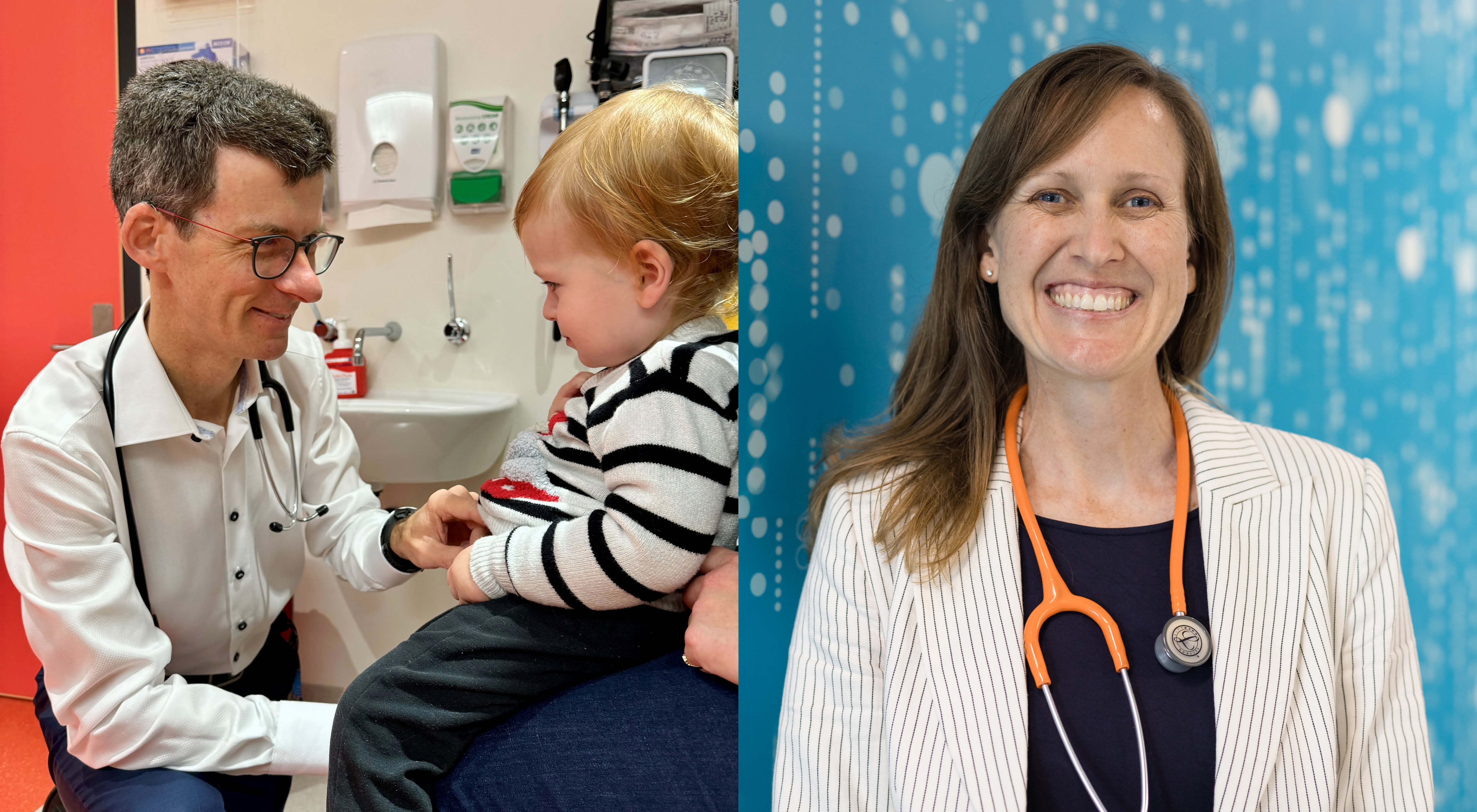
Two Perth clinician-scientists have been recognised as national leaders in infectious disease research after being elected as Fellows of the esteemed Australian Academy of Health and Medical Sciences.

The Kimberley has the highest rates of rheumatic heart disease (RHD) in Western Australia – but through the establishment of a new community-led, research-backed project known as END RHD Communities, there’s hope this will change.
Establishing a genomic reference for Australian Aboriginal populations
We are grateful to our many generous friends who support the Institute through philanthropy.

Meet Christina and Danae, the newest members of the Client Support team at CliniKids.