
Search
Showing results for "early lung health"
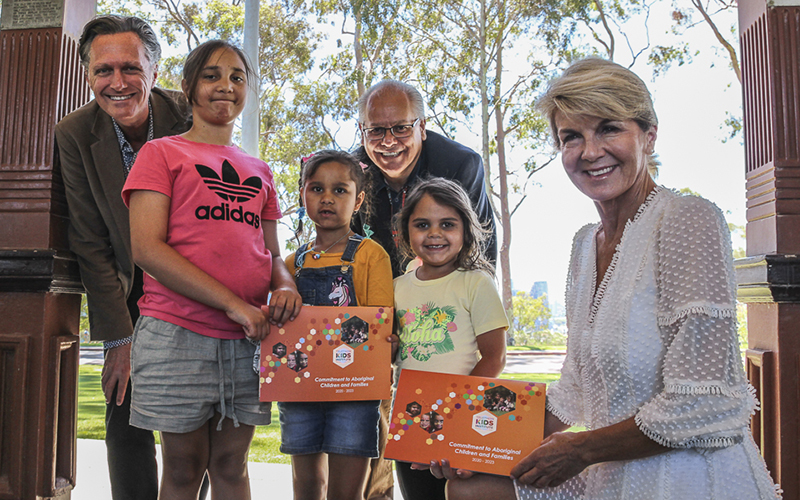
We will prioritise our partnerships with Aboriginal families and communities across Western Australia and beyond to improve the health and development of their children.
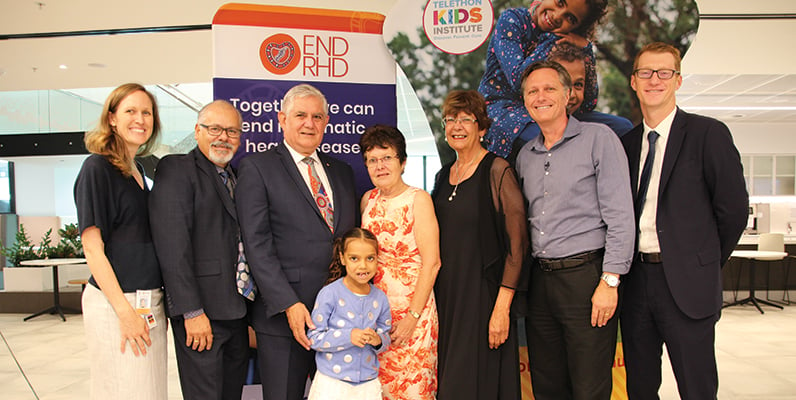
It's been a huge year for those working to eliminate rheumatic heart disease (RHD), with breakthroughs including $35M in funding to develop a Strep A vaccine.
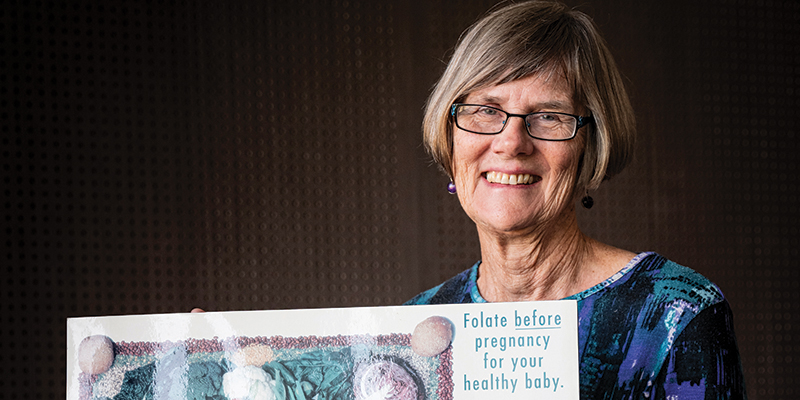
A key tool in the push to achieve mandatory folate fortification came in the form of data provided by the Western Australian Register of Developmental Anomalies (WARDA) – originally established by Professors Carol Bower and Fiona Stanley.
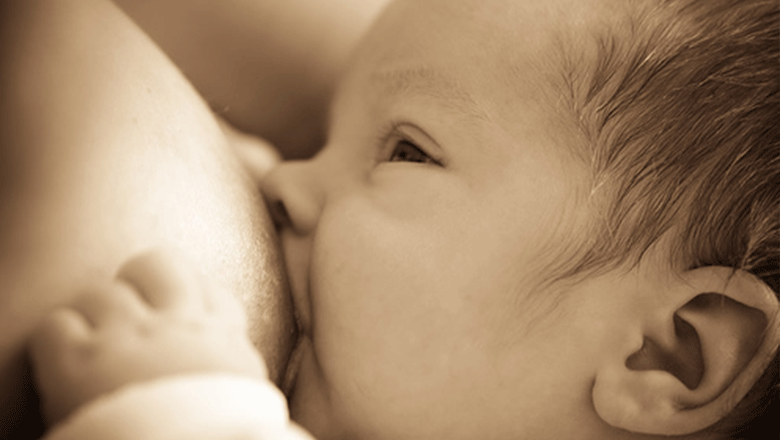
As a child health researcher, I'm often asked by new Mums what's the best thing they can do for their babies? And my answer is always the same, breastfeed.
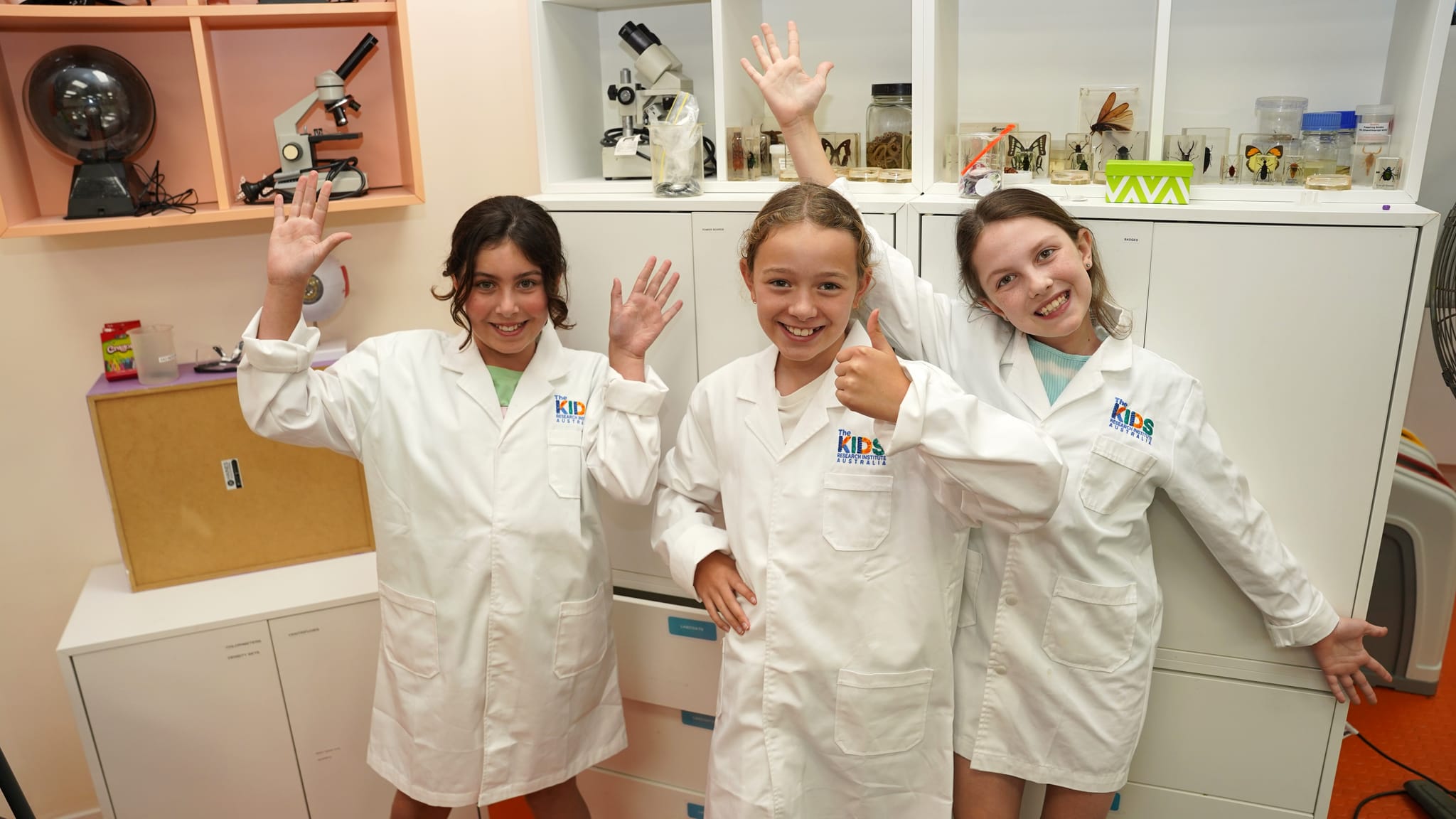
Tailored to spark curiosity and link directly to the Australian curriculum, our schools program engages young minds and bridges the gap between classroom learning and cutting-edge medical research.
Pregnant women are 3 times more likely to die from COVID-19 and over 7 times more likely to be admitted to an intensive care unit with influenza compared to non-pregnant women.
Tobias Strunk MD, PhD, FRACP Head, Neonatal Health tobias.strunk@thekids.org.au Head, Neonatal Health Clinical Professor Tobias Strunk is a
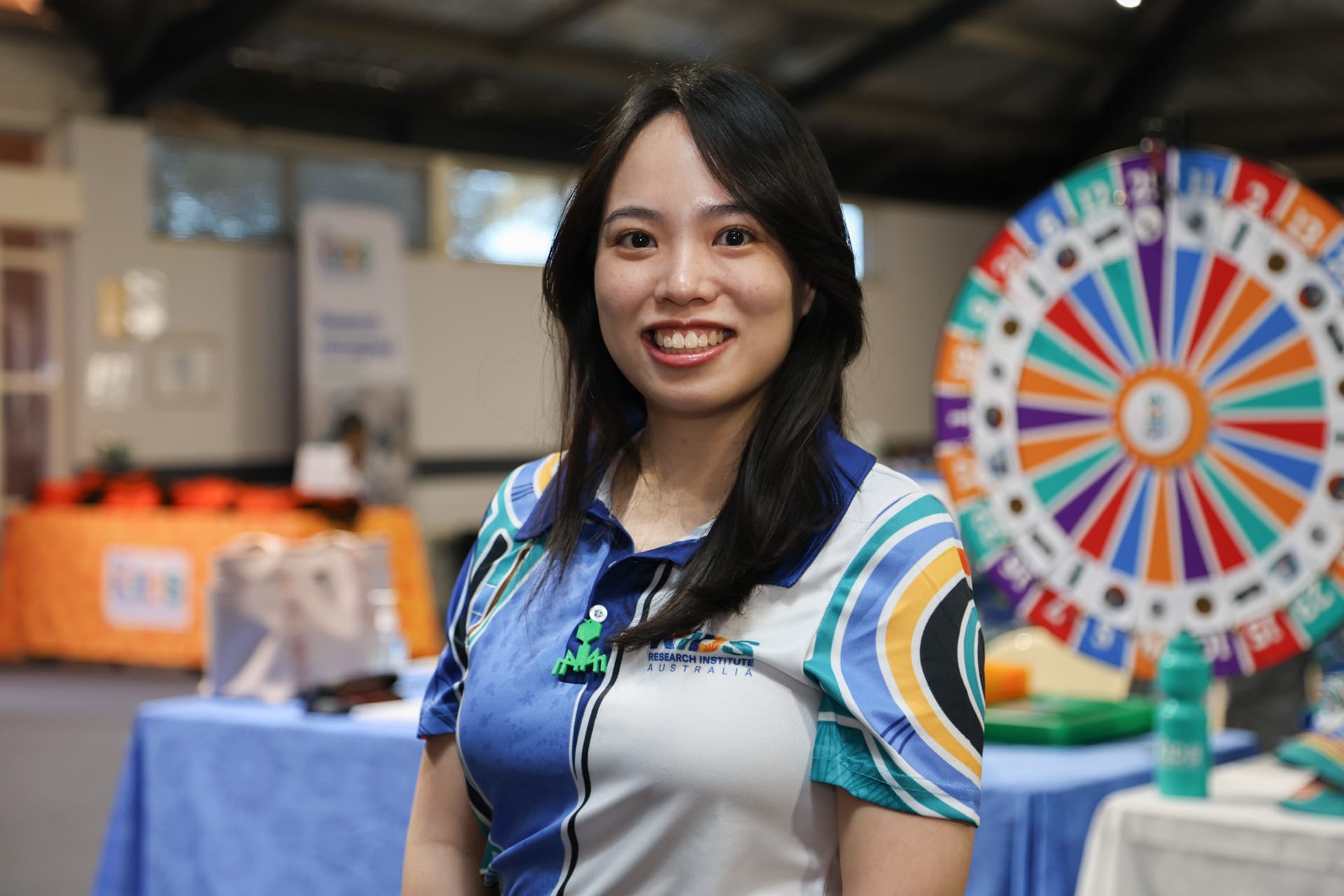
The Kids Research Institute Australia’s annual Prospective Student Evening is an opportunity for students considering Honours, Masters, MDs, or PhDs to learn about what it would mean to work on a project based at the Institute.
Conference presentations in 2025
Find out more about the scholarship opportunities at the Wesfarmers Centre, including Training Scholarships and Higher Degree by Research Scholarships.