
Search
Showing results for "early lung health"
To improve the health of the community through immunisation and prevention of infectious diseases, we are conducting clinical trials of vaccines.
Contact us If you'd like to get in touch, please contact us by phone or email. Phone: 0400 450 240 Email: vtg@thekids.org.au Paediatric Active
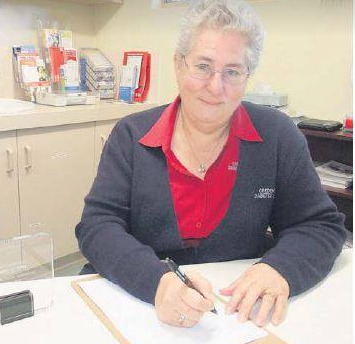
After more than 25 years in the diabetes space, clinical nurse and credentialled diabetes educator Maxine Schlaeppi has retired.v

Our exercise researchers have been working with young people with type 1 diabetes to create an app and we need your help to name it!
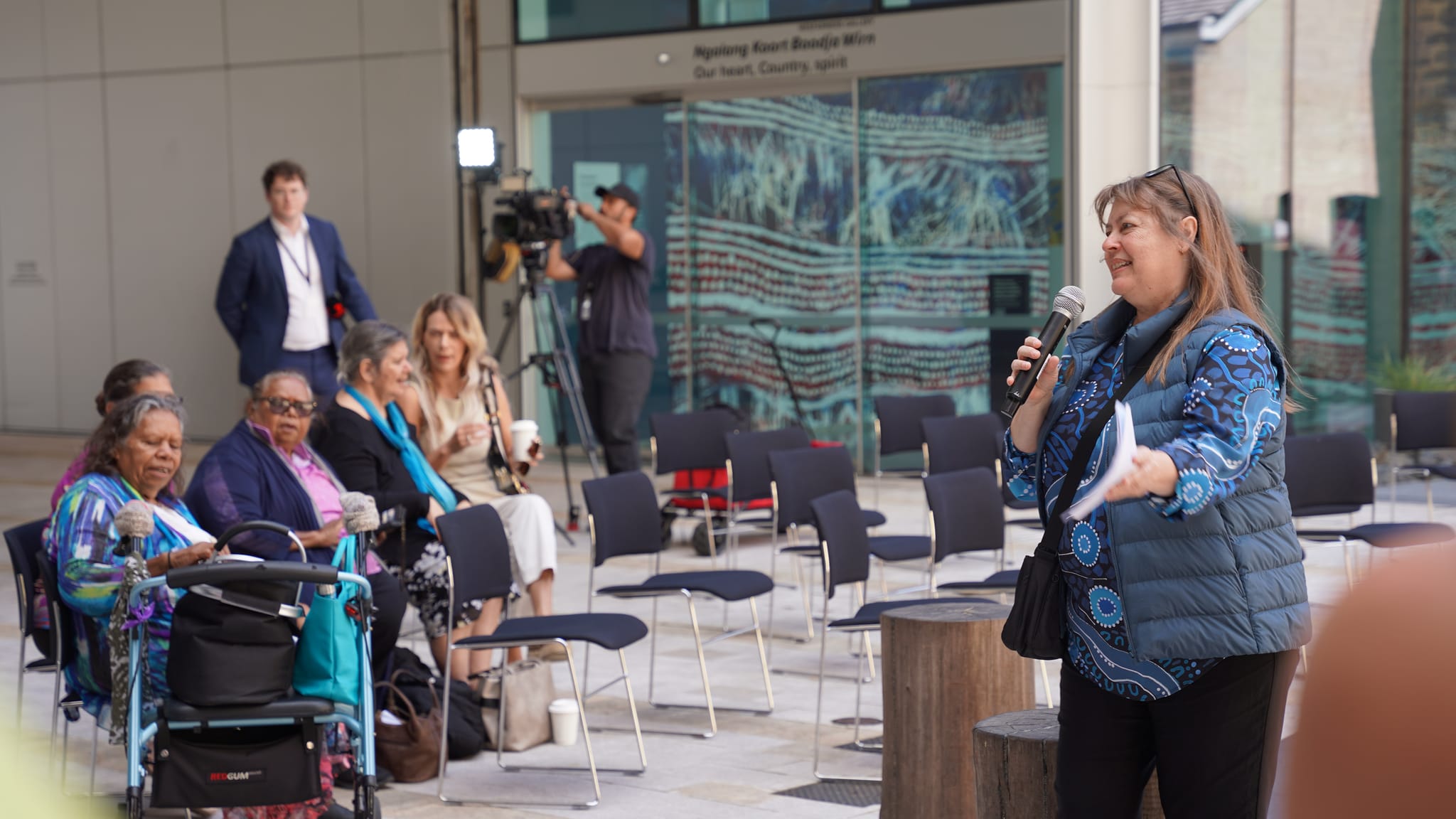
Embrace Co-Director Professor Helen Milroy was an editor on the latest edition of Good Medical Practice
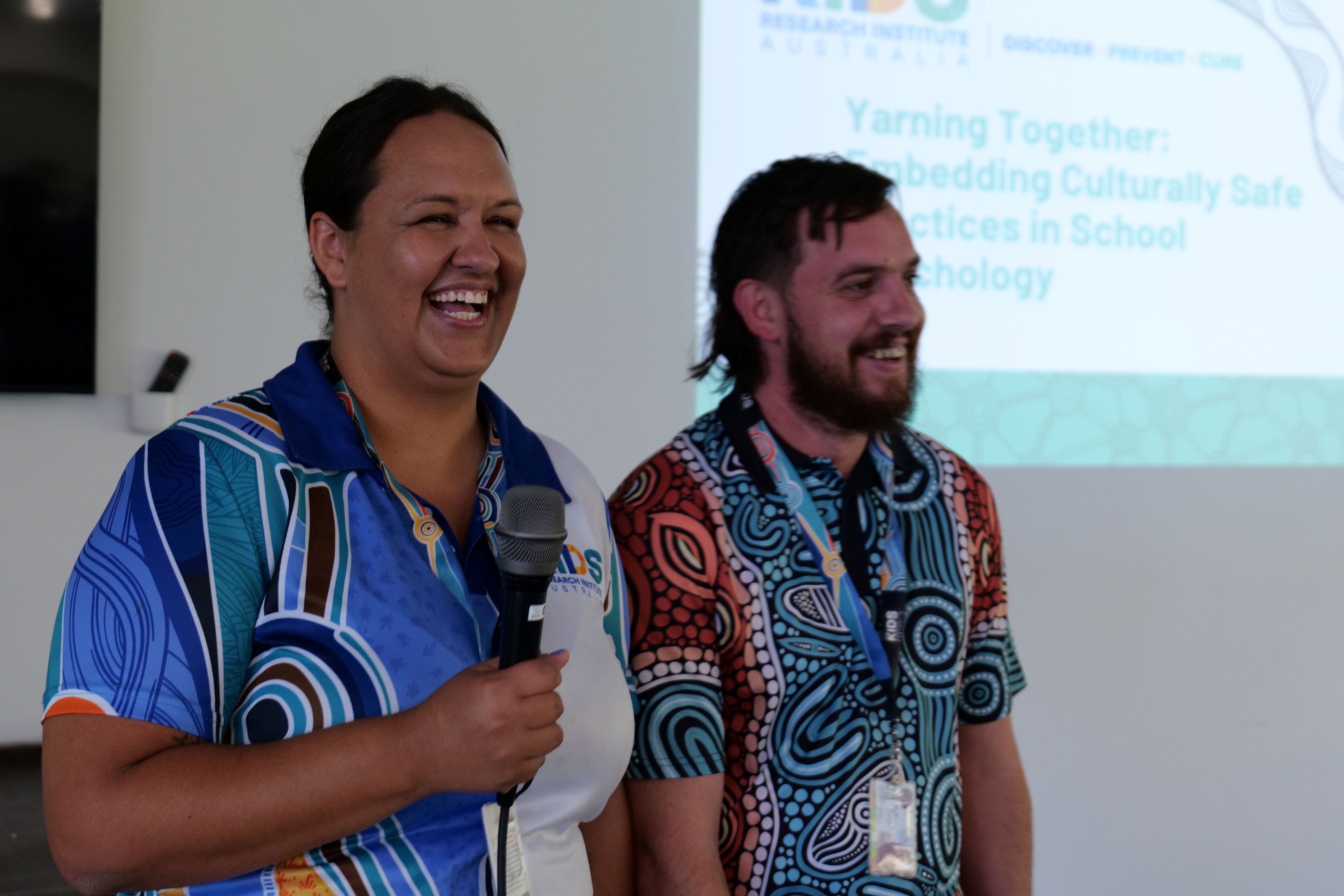
About 180 school psychologists attended an Embrace-led seminar on cultural safety earlier this week to support their professional development ahead of the school year.
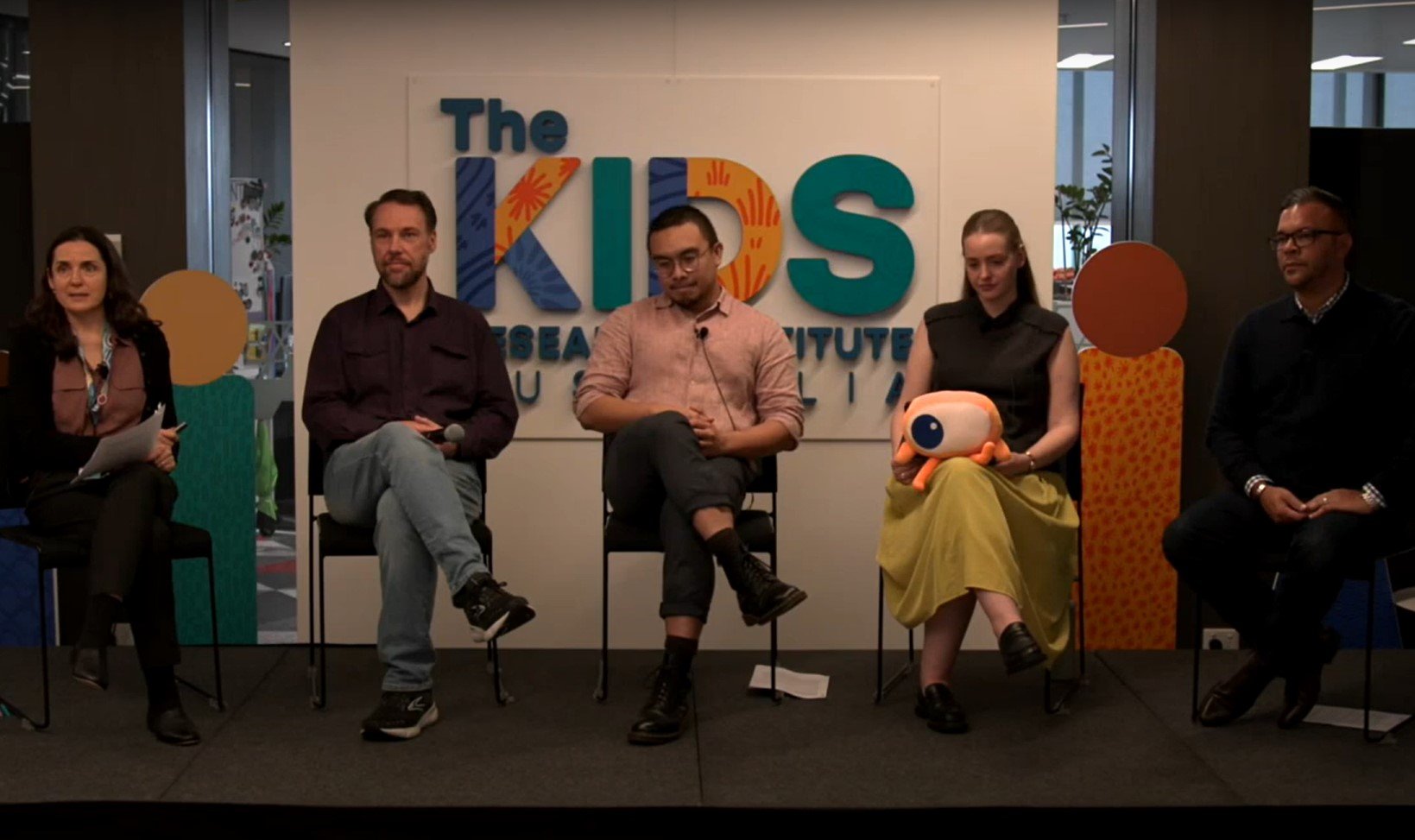
Watch our webinar for parents offering tips on how to support their children amid a rise in online misinformation.

Professor Helen Milroy's Crow Baby artwork is on display at the State Library of WA.
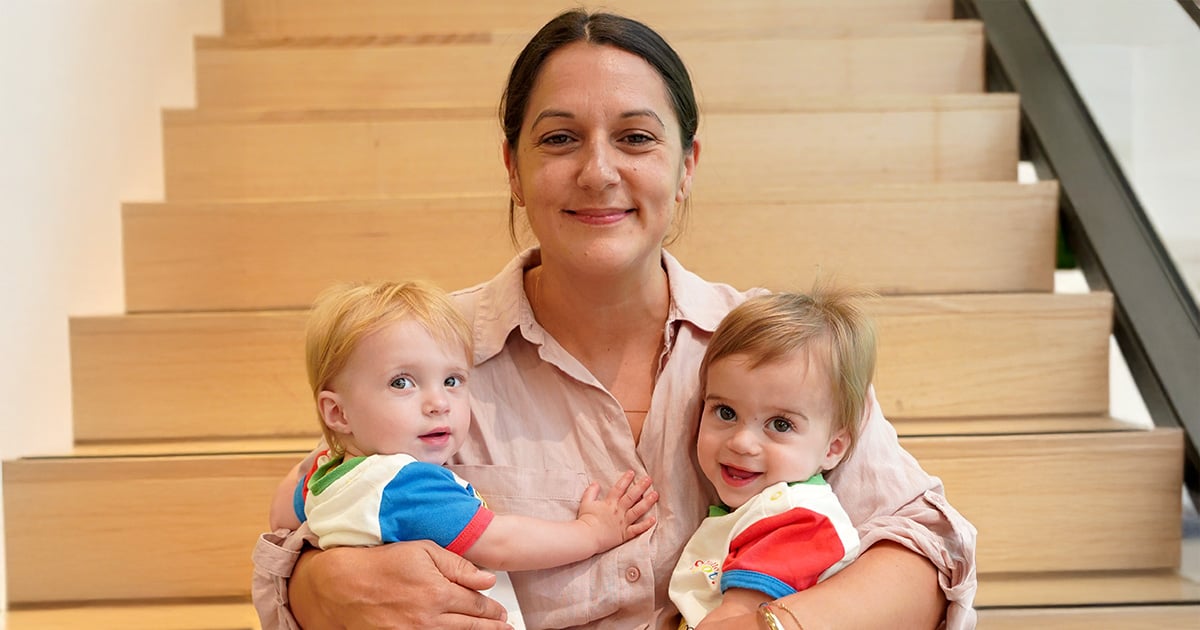
An Australian-first study, funded by Perth Children's Hospital Foundation, demonstrating the effectiveness of a new immunisation against respiratory syncytial virus (RSV) for babies found it to be almost 90 per cent effective in reducing hospitalisation rates.
Tuberculosis (TB) is the leading infectious cause of death globally. Several preventive measures are employed to prevent TB, yet there is a paucity of evidence on the effectiveness of these interventions. Therefore, this study aimed to identify the most effective interventions for reducing TB incidence.