
Search
Showing results for "mental health aboriginal"
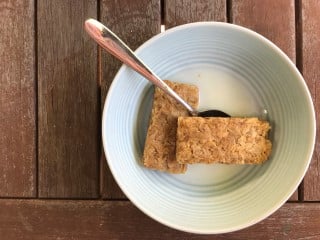
Participants are needed for a new Children's Diabates Centre study looking at the patterns in glucose rise after meals.
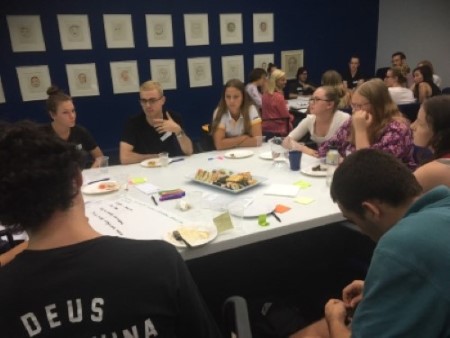
The Children’s Diabetes Centre recently held summits for young people with Type 1 Diabetes to get their input into the development of new exercise guidelines.
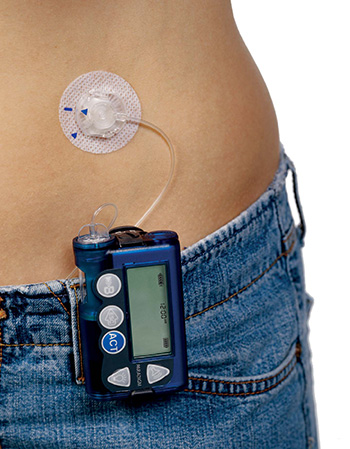
What to do in the event of a pump failure.
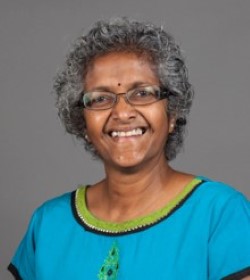
Meet Nirubasini, or Niru as she is affectionately known among the Children’s Diabetes Centre team.

Kandice Varcin is a Senior Research Fellow at CliniKids
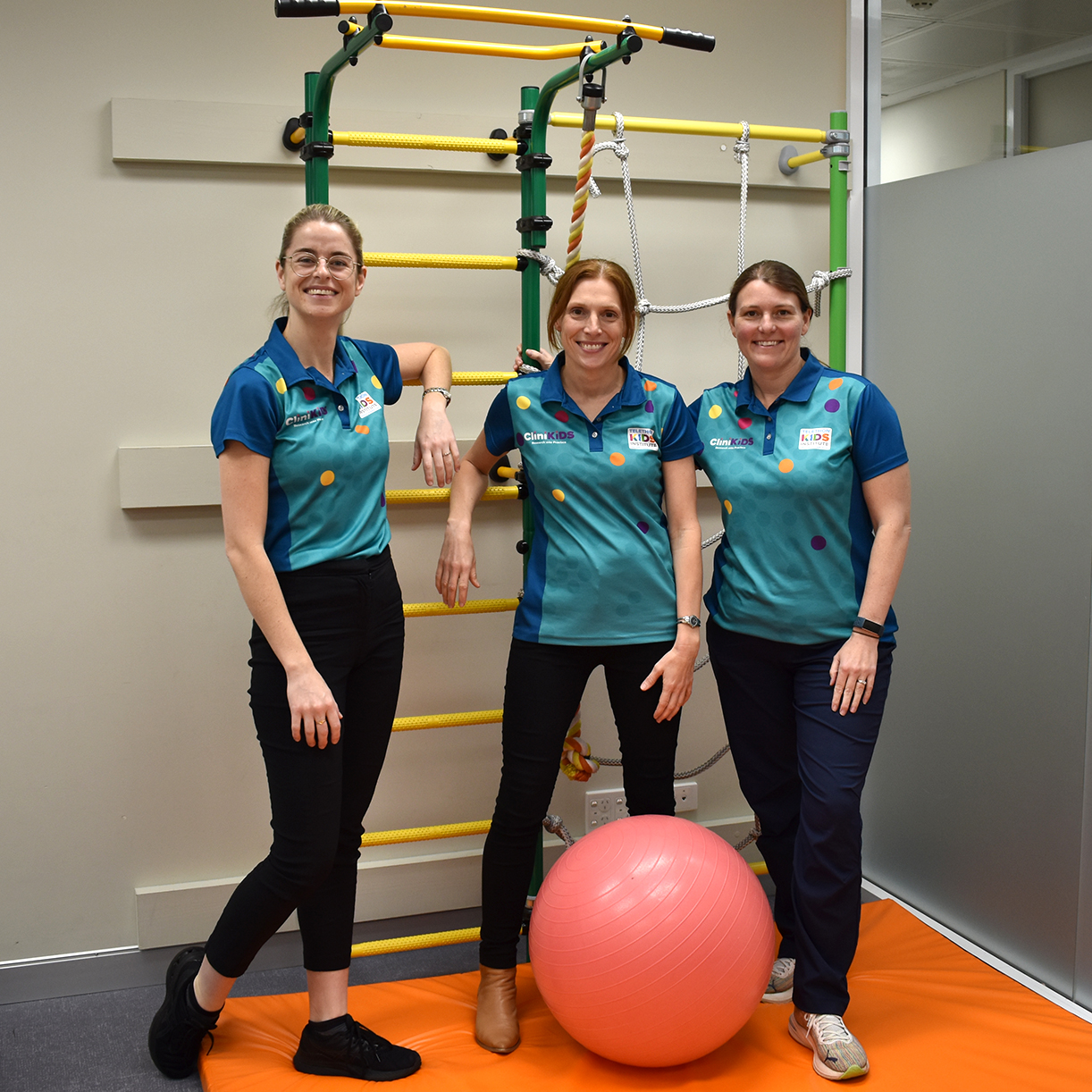
To celebrate World Occupational Therapy (OT) day, we asked our Occupational Therapists to describe what OT means to them.

CliniKids is excited to welcome Dr Kandice Varcin to the team as part of a new partnership between The Kids Research Institute Australia and Griffith University.
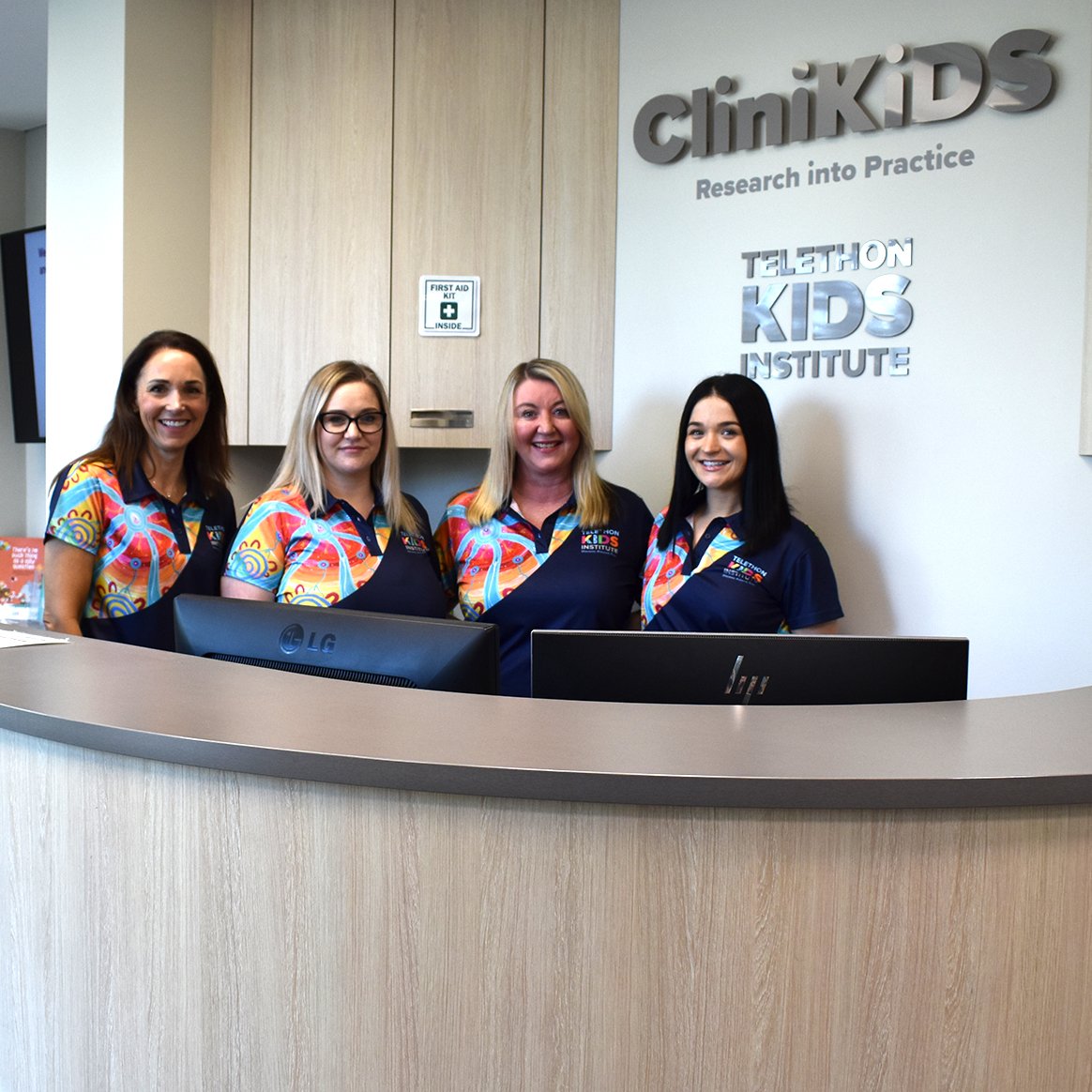
The Client Support Team at CliniKids has some new faces! Nicki and Amy join our lovely Tracy.
School time represents a significant component of overall glycaemia for children with type 1 diabetes (T1D), and glucose levels during instructional time may be important for optimising academic progress. There is, however, limited literature regarding glycaemia during school hours. This study aimed to evaluate glucose levels during school in primary school-aged children with T1D in Western Australia (WA) and to compare these with non-school days.
B-cell acute lymphoblastic leukemia (B-ALL) is the most common pediatric cancer. Current therapeutic regimens have improved 5-year event-free survival rates to 90%, however clinical outcomes for high-risk subgroups, such as BCR-ABL1+ B-ALL and relapsed ALL, remain poor. In addition, 16% of newly diagnosed children with ALL present with vertebral compression fractures. Moreover, 16% of children with ALL undergoing glucocorticoid therapy also experience a high incidence of vertebral fractures, indicating that bone health may be compromised by both leukemia progression and osteotoxicity of chemotherapy.