
Search
Showing results for "early lung health"
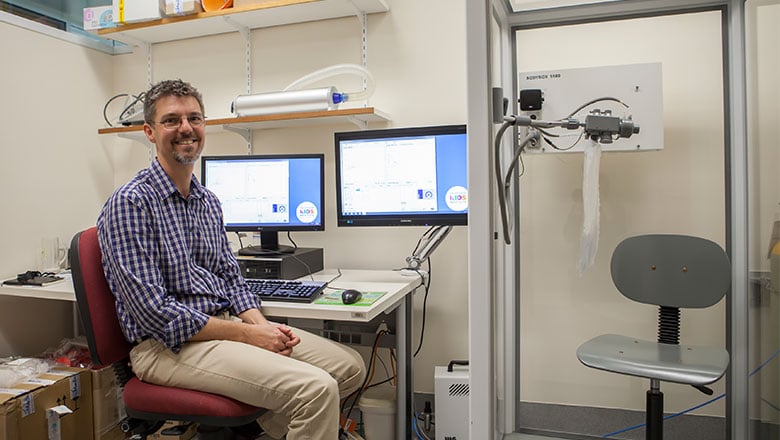
Professor Graham Hall is looking at the effect of air travel on premature babies, with his research already contributing to international guidelines.
The pathogenesis of acute rheumatic fever (ARF) is poorly understood, limiting the development of immune-modulating therapies to treat disease and prevent progressive heart damage. Here, participants with definite ARF were compared to other severe acute paediatric conditions and matched healthy controls by profiling circulating immune molecules and cells to inform disease mechanisms and potential druggable pathways.
This prospective cohort study, which recruited participants with definite ARF in Australia and Aotearoa New Zealand, profiled circulating immune molecules and cells to inform disease mechanisms and future druggable pathways.
Namibia, a low malaria transmission country targeting elimination, has made substantial progress in reducing malaria burden through improved case management, widespread indoor residual spraying and distribution of insecticidal nets. The country's diverse landscape includes regions with varying population densities and geographical niches, with the north of the country prone to periodic outbreaks.
Insecticide-treated nets (ITNs) are one of the most widespread and impactful malaria interventions in Africa, yet a spatially-resolved time series of ITN coverage has never been published. Using data from multiple sources, we generate high-resolution maps of ITN access, use, and nets-per-capita annually from 2000 to 2020 across the 40 highest-burden African countries.
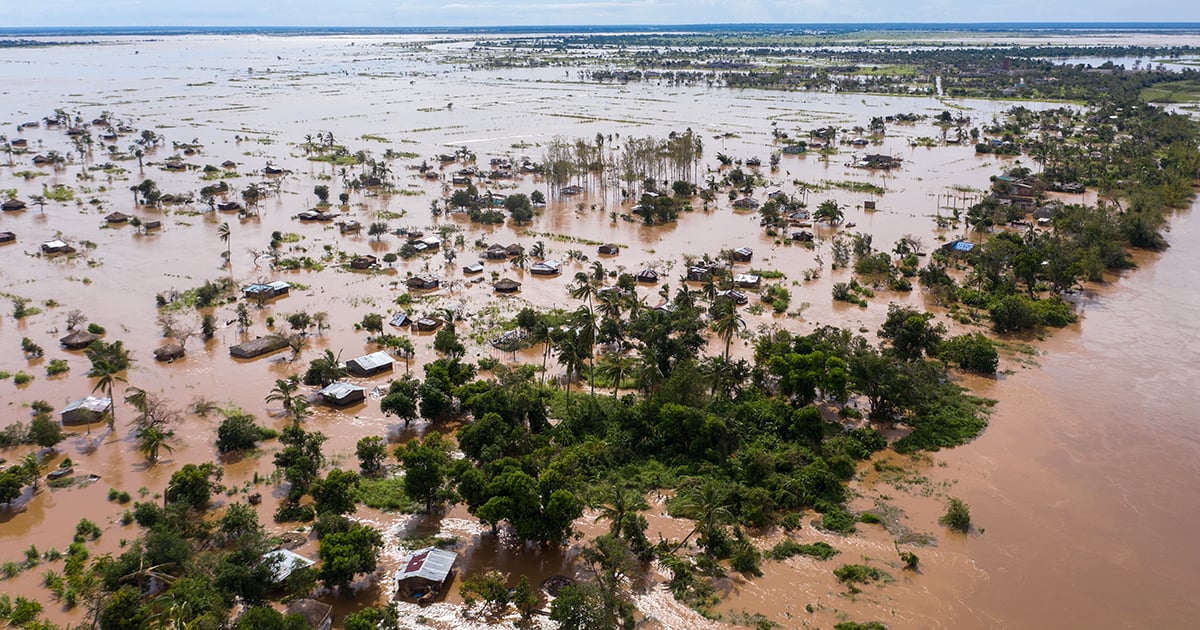
World-first research from The Kids Research Institute Australia and Curtin University predicts climate change could trigger more than 100 million additional malaria cases and 500,000 additional deaths in Africa by 2050, including substantial impacts on children.

The first Australian study to evaluate the nutritional content of Kids’ Menus at restaurants and cafés has found the overwhelming majority are unhealthy.
Stopping Acute Rheumatic Fever Infections to Strengthen Health
Mankeeping was theorized as the unreciprocated labor women take on to compensate for losses in men’s social networks, thereby reducing the burden on families, heterosexual bonds, and men. However, there is currently no validated instrument that can reliably assess this theory.
Testing and treating symptomatic malaria cases is crucial for case management, but it may also prevent future illness by reducing mean infection duration. Measuring the impact of effective treatment on burden and transmission via field studies or routine surveillance systems is difficult and potentially unethical. This project uses mathematical modeling to explore how increasing treatment of symptomatic cases impacts malaria prevalence and incidence.