
To determine the potential longer-term effects of maternal antenatal respiratory syncytial virus (RSV) vaccination, we examined the association betwe…
The airway smooth muscle (ASM) layer thickens during development. Identifying the mechanism(s) for normal structural maturation of the ASM reveals pa…
Children are more vulnerable than adults to climate-related health threats, but reviews examining how climate change affects human health have been m…
Urinary tract infection (UTI) is common in children, causes them considerable discomfort, as well as distress to parents and has a tendency to recur.
Anthony D. Keil, Siobhain Brennan, Joanne Harrison, Colin Robertson, Philip J. Robinson, Peter D. Sly,
Otitis media (OM) is among the most common illnesses of early childhood, characterised by the presence of inflammation in the middle ear cavity...
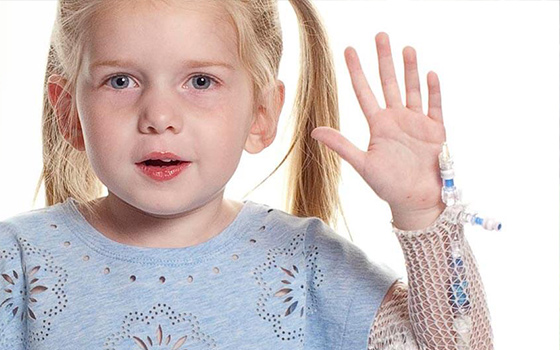
The Advancing Innovation in Respiratory (AIR) Health Team is a multi-disciplinary group with skills in clinical medicine, physiology, psychology, and…

prevalence of respiratory symptoms, asthma diagnosis and asthma medication usage. Spirometry is a lung ... reversible airway disease and common in th…

Honorary Emeritus Fellow; Scientific Reviewer - Animal Ethics
Direct and persistent vicarious racial discrimination are detrimental to the physical and mental health of Indigenous children in Australia