
Search
Showing results for "early lung health"
We identified consistent hypomethylation of the CTGF locus in primary pre-B ALL specimens regardless of CTGF expression.
We sought to explore whether allergic children show differences in microbial Toll-like receptor (TLR)-mediated responses over their first 5 years of life.
Background: The incidence rates of childhood onset type 1 diabetes are almost universally increasing across the globe but the aetiology of the disease...
Rearrangement of the mixed-lineage leukemia gene (MLL) is found in 80% of infant acute lymphoblastic leukemia (ALL) and is associated with poor prognosis and re
Aberrant promoter DNA methylation has been reported in childhood acute lymphoblastic leukaemia and has the potential to contribute to its onset and outcome
We examined the baseline profile of a panel of T-ALL cell lines to determine factors that contribute to GC resistance without prior drug selection.
We believe the way we reward research excellence is better than anywhere in the nation. Find out about the ways The Kids Research Institute Australia rewards our researchers.
RSV Update
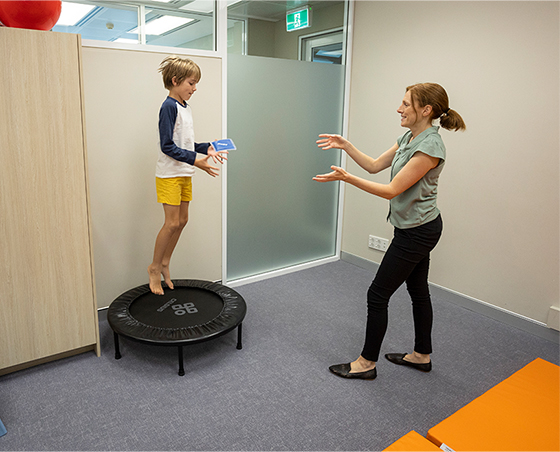
Developmental Coordination Disorder (DCD) is a neurodevelopmental condition that affects a child’s ability to learn and carry out everyday motor skills. An early and accurate assessment helps families and schools understand a child’s unique needs.

We know many autistic children may be more sensitive to transitions so may need some extra supports at this time.