
Search
Showing results for "mental health aboriginal"
While maternal high fat diet compromised litter survival, it also promoted somatic and lung growth (increased lung volume) in the offspring
Increased collaboration and engagement across all sectors can optimise the use of linked data to help reduce the burden of infectious diseases
Canola biodiesel exhaust exposure elicits inflammation and reduces viability of human epithelial cell cultures in vitro when compared with ULSD exhaust exposure
In this study, we aimed to uncover the molecular mechanisms contributing to altered lung structure and function.
Several studies suggest that maternal folic acid supplementation before or during pregnancy protects against childhood acute lymphoblastic leukaemia (ALL).
Our results show that canola biodiesel exhaust exposure elicits inflammation and reduces viability of human epithelial cell cultures in vitro when compared...
Our objective was to describe the epidemiology, clinical features, health care resource use, treatment and outcomes of multidrug-resistant tuberculosis...
Although neurocognitive, psychological and behavioural problems were noted for some patients during medical review, only 20% of patients were formally assessed.
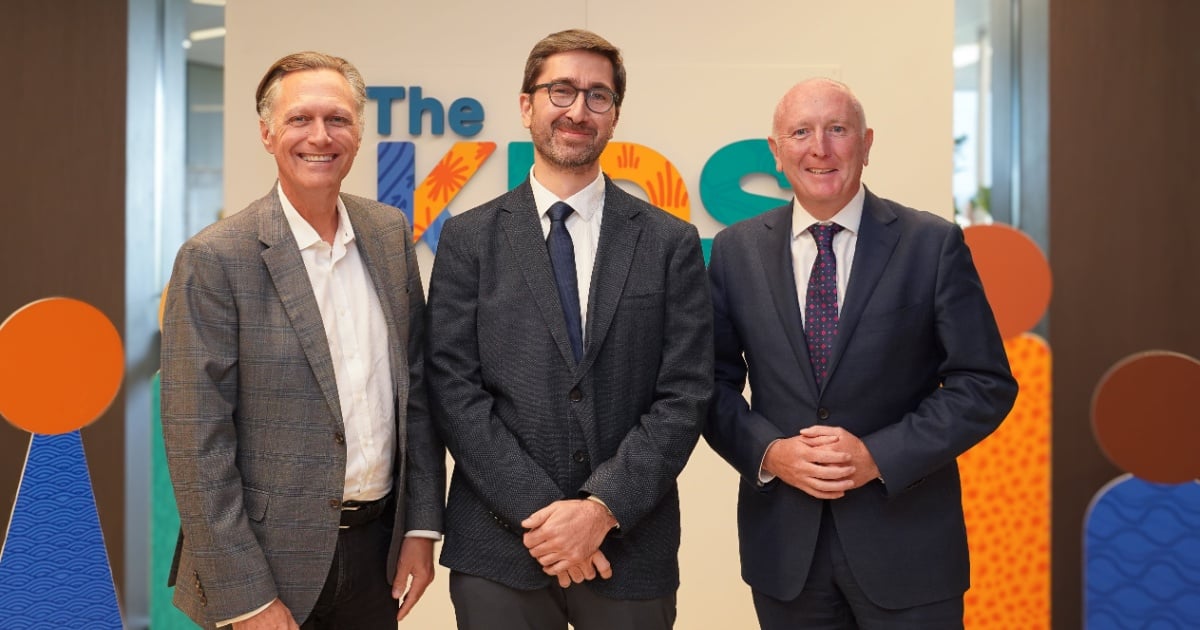
A leading autism scientist has relocated to Perth to take up a new appointment at The Kids Research Institute Australia, thanks to a program designed to attract world-class health researchers to Western Australia.
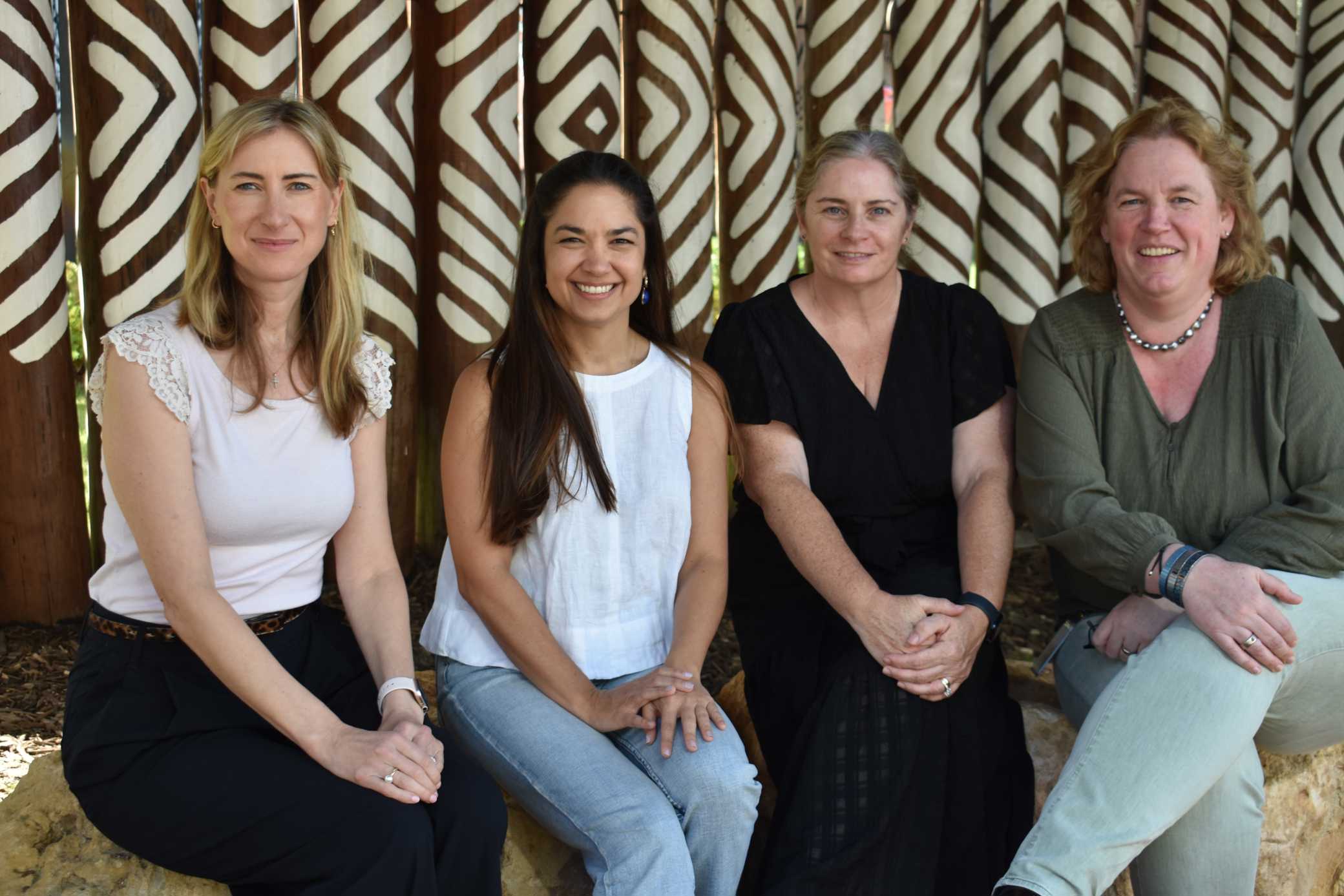
A collaborative study between UWA, Perth Children’s Hospital, The Kids and advocacy and support group Down Syndrome WA, has identified the top priorities, according to patients and carers, for clinical care and research for children with the genetic cond