
Search
Showing results for "early lung health"

In this blog, Senior Speech Pathologist Sally Grauaug and Speech Pathology Clinical Lead Aria May discuss how daily routines can facilitate the development of your child’s communication skills.

Discover resources and science activities for kids for the topic 'What's In Our Cells?'.
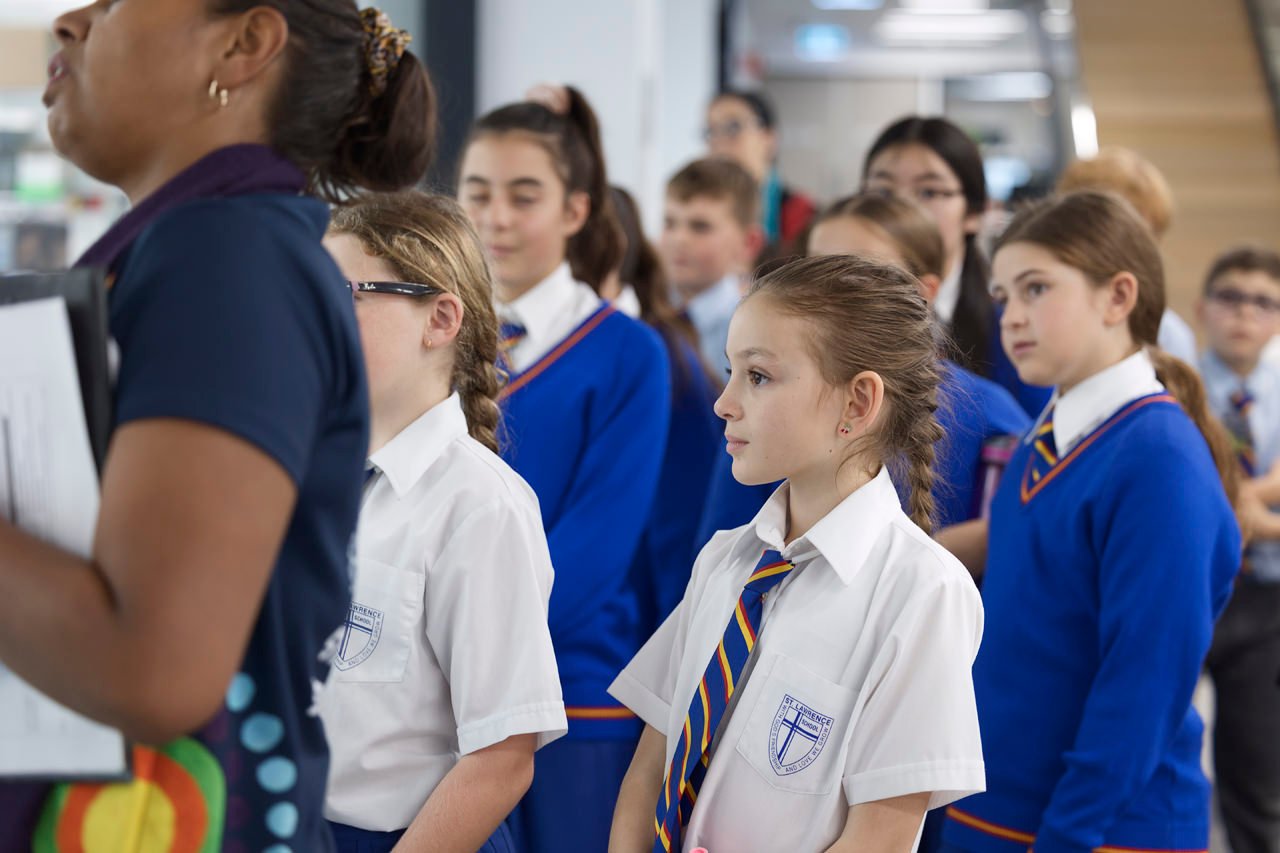
Want to find out more about what an excursion to The Kids is all about? Join us for our first ever Science & Sip!

Glycoprotein A as a biomarker of pulmonary infection and inflammation in children with cystic fibrosis Background: Serum Glycoprotein A (GlycA)
Access to medical treatment for fever is essential to prevent morbidity and mortality in individuals and to prevent transmission of communicable febrile illness in communities. Quantification of the rates at which treatment is accessed is critical for health system planning and a prerequisite for disease burden estimates.
Establishing a genomic reference for Australian Aboriginal populations
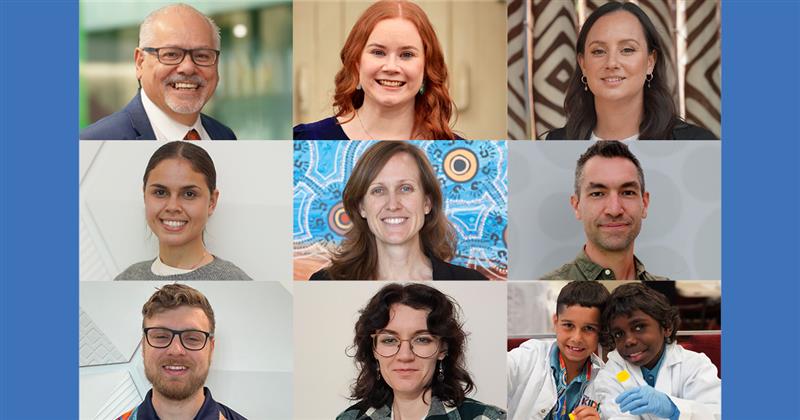
Eight outstanding researchers from The Kids Research Institute Australia and the Institute-led Broome STEM Festival are finalists in the 2025 Premier’s Science Awards.
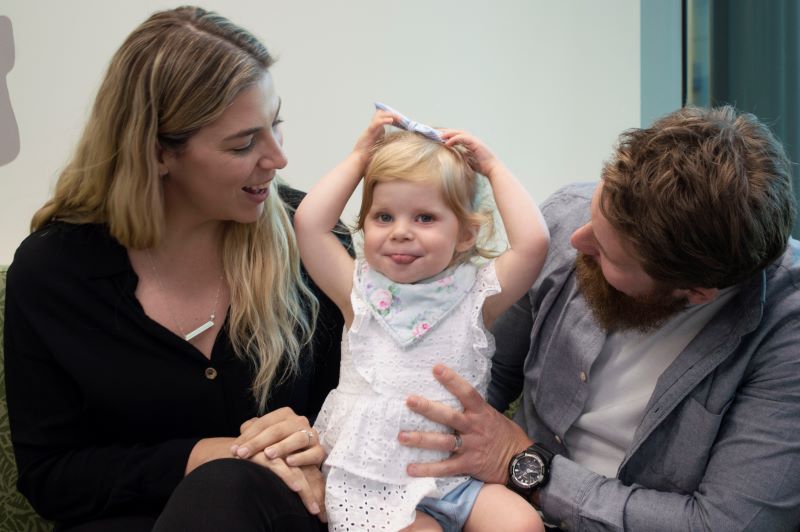
CliniKids, the first stand-alone clinical service offered by The Kids Research Institute Australia, was launched in October 2019 and is already delivering benefits for families with children who are developing differently.
Standard-risk WNT medulloblastoma patients have an excellent prognosis using the combination of standard dose craniospinal radiotherapy (CSI) followed by platinum and alkylator based chemotherapy. A recent pilot study that attempted to completely omit radiotherapy was terminated early as all patients relapsed rapidly. The study highlights that therapy is the most important prognostic factor, with CSI still required to cure even the most favorable subgroup of medulloblastoma patients.
Antibodies that target immune checkpoints such as cytotoxic T lymphocyte antigen 4, programmed cell death protein/ligand 1 are approved for treatment of multiple cancer types.