
Search
Showing results for "mental health aboriginal"
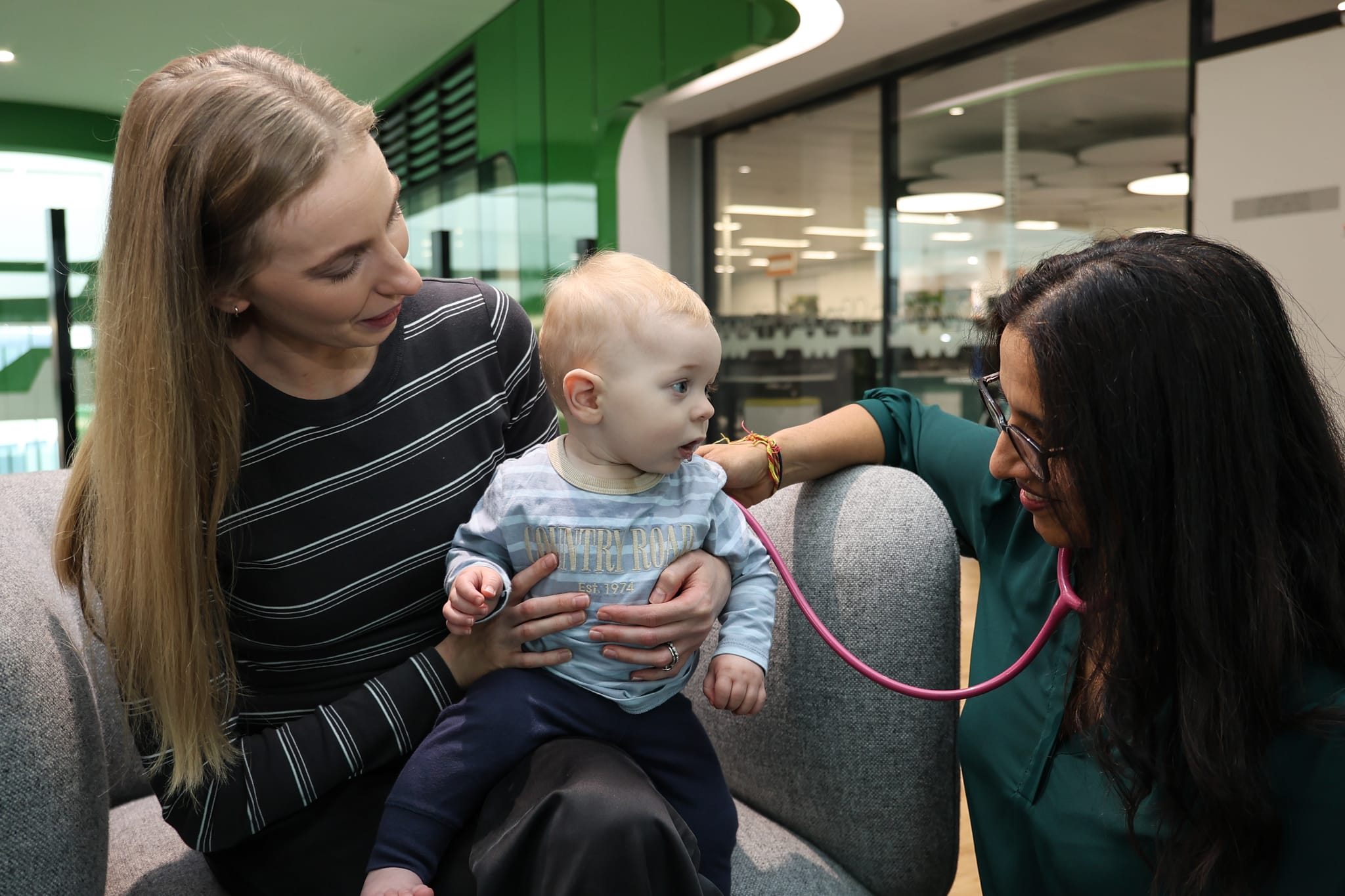
Australia’s new respiratory syncytial virus (RSV) immunisation program cut hospital admissions for Australia’s youngest babies by almost half in its first year, a new major national study has shown.
The The Kids Discovery Centre schools pilot program is returning in 2021!

Year 7 is a time of big change and challenges - and it's also the best time to start talking about alcohol.
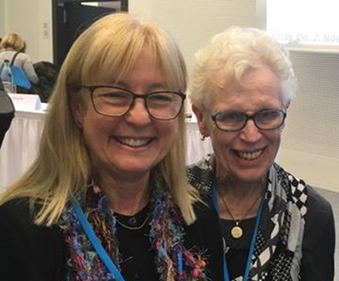
Two The Kids Research Institute Australia researchers recognised for their role in building a global database for CDKL5 deficiency disorder are now helping to set the scene for clinical trials of much-needed potential treatments.
The Child Development Atlas is proving popular even before its official launch - bringing together government services.
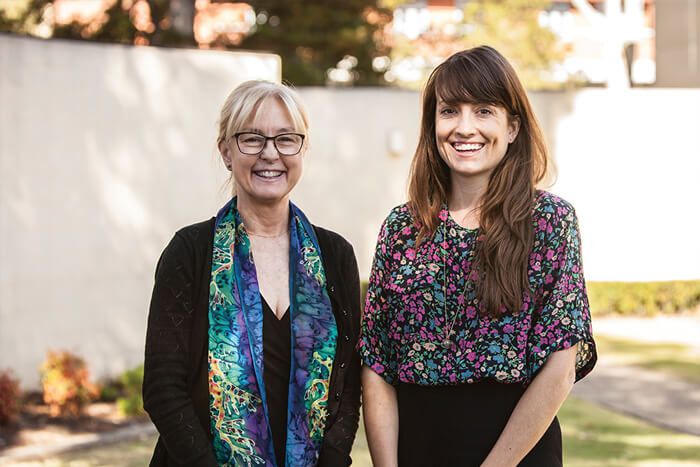
If there’s one thing modern researchers and health professionals now understand, it’s that for so many diseases and conditions affecting children and adolescents, early intervention is crucial.

We are delighted to announce two outstanding appointments to our Board of Directors. Joining the Board are Fiona Drummond and Jane Muirsmith.
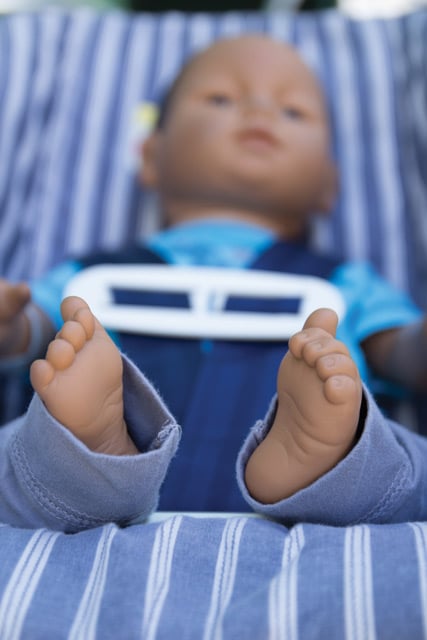
These infant simulators are given to high school students to take care of as part of a teen pregnancy prevention program known as Virtual Infant Parenting.
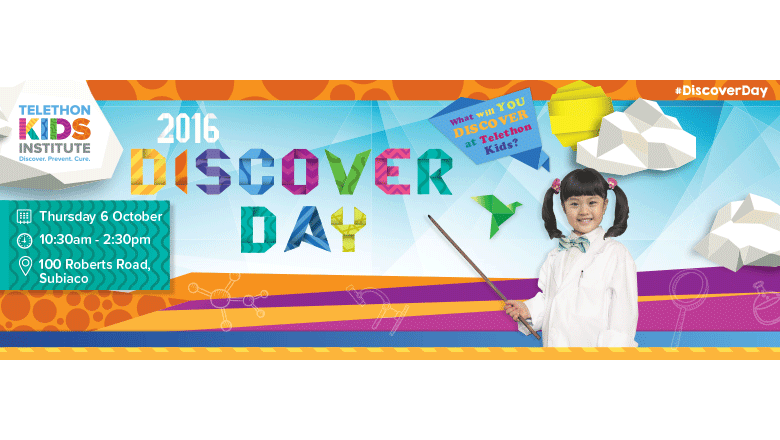
Join us this school holidays for a FREE family fun day at The Kids Research Institute Australia in Subiaco and discover how we are making a difference to child health.
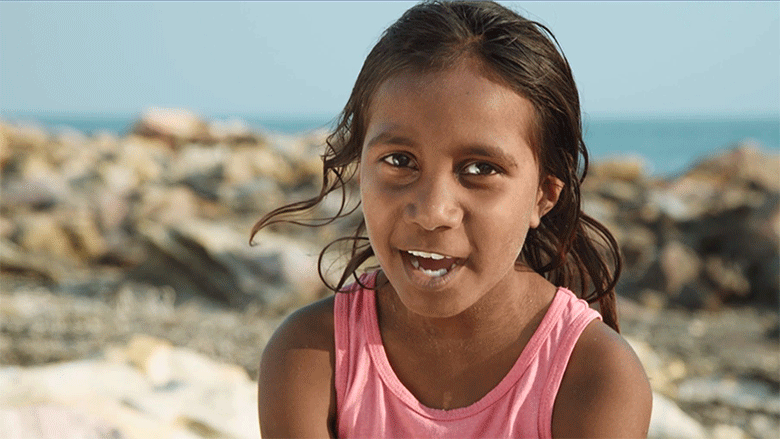
The Kids Research Institute Australia is proud to announce the launch of a world class Centre of Research Excellence in rheumatic heart disease (RHD).