
Search
Showing results for "aboriginal respiratory"
Childhood asthma begins as wheeze (a whistling sound produced by the airways during breathing) during preschool age.
Asthma is the most common chronic lung disease in childhood. There has been a significant worldwide effort to develop tools/methods to identify children's risk for asthma as early as possible for preventative and early management strategies. Unfortunately, most childhood asthma prediction tools using conventional statistical models have modest accuracy, sensitivity, and positive predictive value.
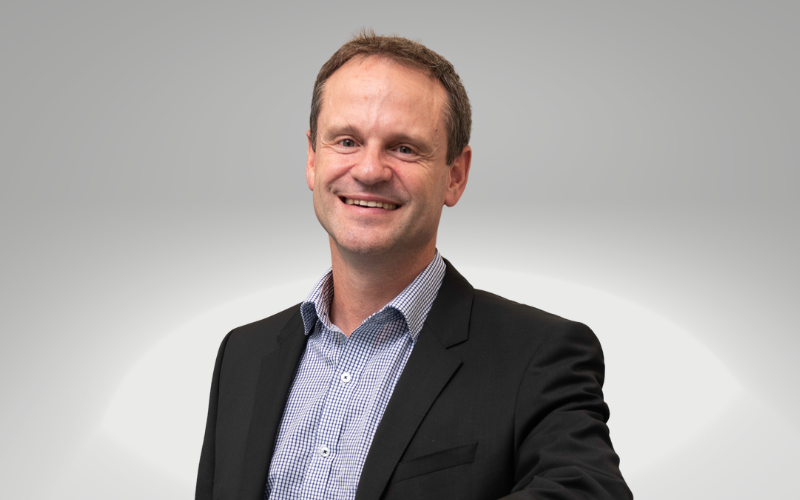
In an exciting development for the Wal-yan Respiratory Research Centre, Professor André Schultz has been appointed as the Centre’s new Head, succeeding Professor Stephen Stick.
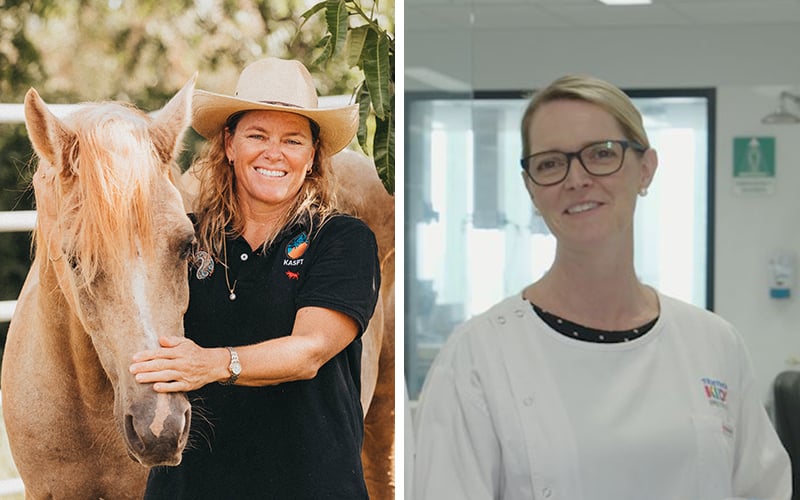
Two The Kids Research Institute Australia research teams have been awarded more than $3.5 million to fund innovative projects.
There is increasing evidence that the assessment of ventilation distribution using the multiple breath washout (MBW) technique is sensitive to changes in disease status of children with cystic fibrosis.
Early life is a key period that determines long-term health. Lung development in childhood predicts lung function attained in adulthood and morbidity and mortality across the life course. We aimed to assess the effect of early-life lower respiratory tract infection (LRTI) and associated risk factors on lung development from birth to school age in a South African birth cohort.
Appropriate interpretation of pulmonary function tests (PFTs) involves the classification of observed values as within/outside the normal range based on a reference population of healthy individuals, integrating knowledge of physiological determinants of test results into functional classifications and integrating patterns with other clinical data to estimate prognosis.
Better understanding of evolution of lung function in infants with cystic fibrosis...
Exhaled breath temperature (EBT) has been proposed for the non-invasive assessment of airway inflammation
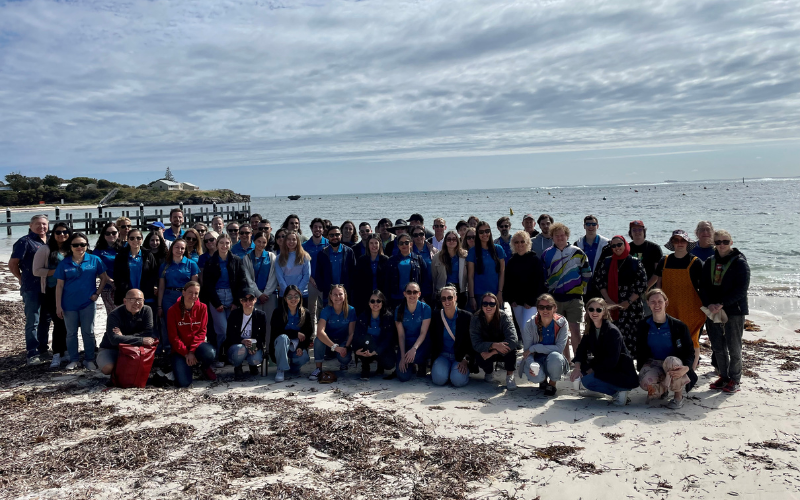
Wal-yan Respiratory Research Centre team members and special guests travelled to Wadjemup (Rottnest) on 27 and 28 October to spend an intensive two days together learning about, and providing input into, the broad range of research projects underway within the Centre.