
Search
Showing results for "mental health aboriginal"

Affecting approximately 400 people in Australia, Rett syndrome is a rare neurological disorder that occurs almost exclusively in girls and affects mobility and development, impacting everything from walking and talking to eating and breathing.
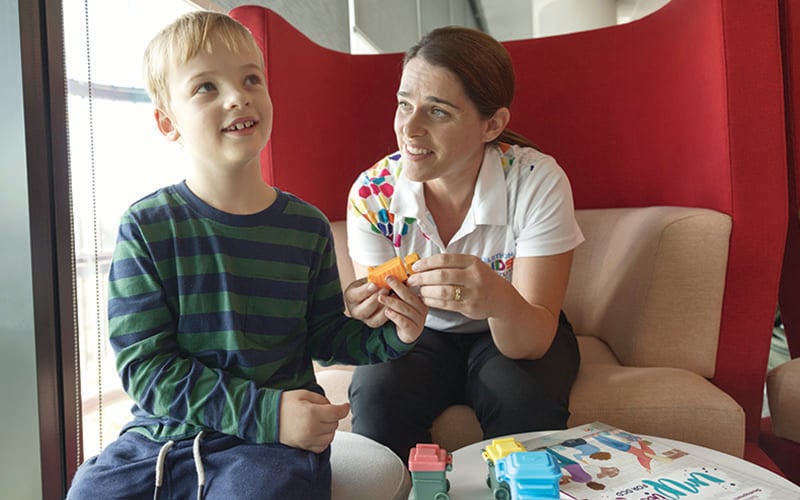
Meet Toby - he has developmental coordination disorder (DCD), a neurodevelopmental condition that causes delays and impairments in fine and gross motor skills.
A non-progressive motor disability due to damage of the developing brain, this is the most common physical disability in childhood. Affecting about one in 500 babies, it is frequently accompanied by other neurological impairments, such as intellectual or sensory.
Nasal epithelial cells from young adults with a history of very preterm birth show delayed closure following scratch-wounding. Repair correlated with lung function, suggesting epithelial barrier integrity may play a role in preterm-associated lung disease.
he increasing adoption of high-throughput "omics" technologies has heightened the demand for standardized, scalable, and reproducible bioinformatics workflows. Nextflow and nf-core provide a robust framework for researchers, particularly early- and mid-career researchers (EMCRs), to navigate complex data analysis.
Invasive fungal disease (IFD) remains a challenging complication of treatment for paediatric acute leukaemia. Consensus fungal treatment guidelines recommend withholding chemotherapy to facilitate immune recovery in this setting, yet prolonged delays in leukaemia therapy increase risk of relapse.
Accurate knowledge of the relationship between craniofacial anomalies (CFA), intellectual disability (ID) and autism spectrum disorder (ASD) is essential to improve services and outcomes. The aim is to describe the association between CFA, ID and ASD using linked population data.
Invasive fungal disease (IFD) is a common and important complication in children with acute myeloid leukaemia (AML). We describe the epidemiology of IFD in a large multicentre cohort of children with AML.
The burden of seasonal influenza disease in Australian children is substantial, especially for those with medical comorbidities including chronic cardiac, respiratory, neurological and immunosuppressive conditions. Influenza is more likely to be severe in children with comorbidities compared to previously healthy children (e.g. more frequent and longer hospitalisation, more frequent intensive care unit admission and requiring respiratory support). Direct protection against influenza by vaccination is critical for children with comorbidities and remains the most effective tool for influenza prevention.
Increased collaboration and engagement across all sectors can optimise the use of linked data to help reduce the burden of infectious diseases