
Search
Showing results for "early lung health"
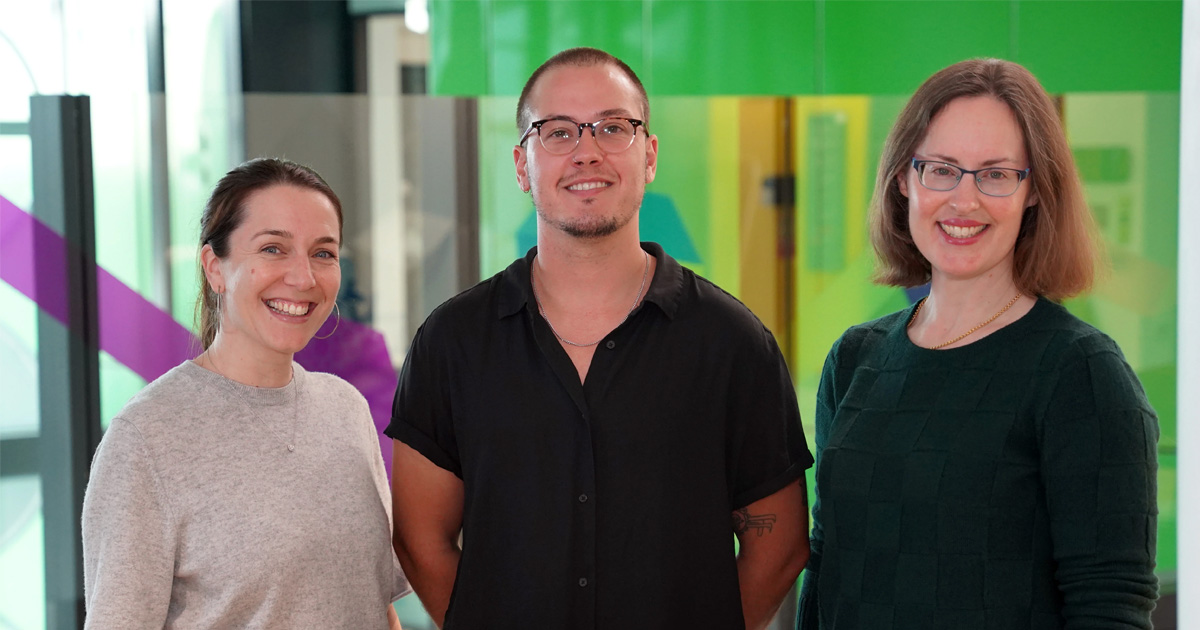
Associate Professor Yael Perry, lead investigator Dr Blake Cavve (both The Kids Research Institute Australia) and Dr Julie Moore (PCH's Gender Diversity Service and UWA)

We want to ensure parents and carers have textbook tips for how to help their children deal with the pressures associated with studying for stressful assessments and for dealing with the results, whatever they may be.
The success of cancer immunotherapies has highlighted the importance of monitoring the anti-tumour T cell response. Patients with mesothelioma frequently present with a malignant pleural effusion (MPE) that is commonly drained regularly to alleviate symptoms. As MPE contains tumour cells, T cells and cytokines, it provides a unique opportunity to sample immune events at the tumour site.
To determine whether serum neurofilament light chain (sNfL) levels are suppressed in patients with the clinically isolated syndrome (CIS) following narrowband ultraviolet B phototherapy (UVB-PT).
We report vaccine efficacy against CIN3+ and adenocarcinoma in situ (AIS) in the end-of-study analysis of PApilloma TRIal against Cancer In young Adults.
We report vaccine efficacy against CIN3+ and adenocarcinoma in situ (AIS) in the end-of-study analysis of PATRICIA (PApilloma TRIal against Cancer In young...
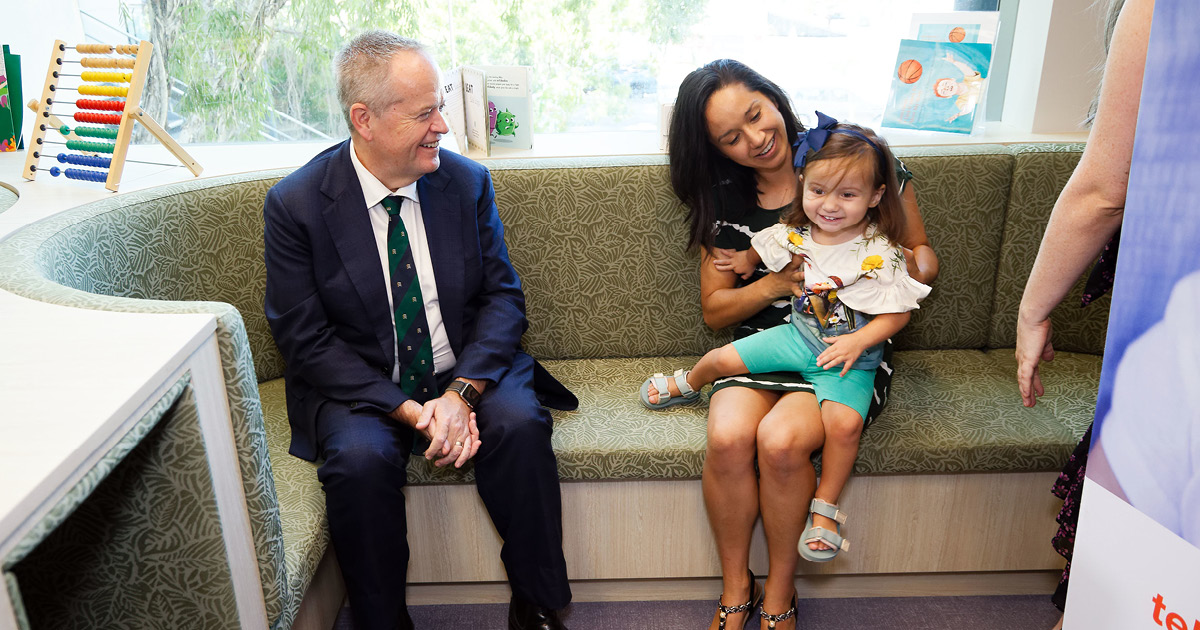
A world-first program for babies with differences in their social and communication skills is aiming to help parents and caregivers better understand the different ways their child communicates.
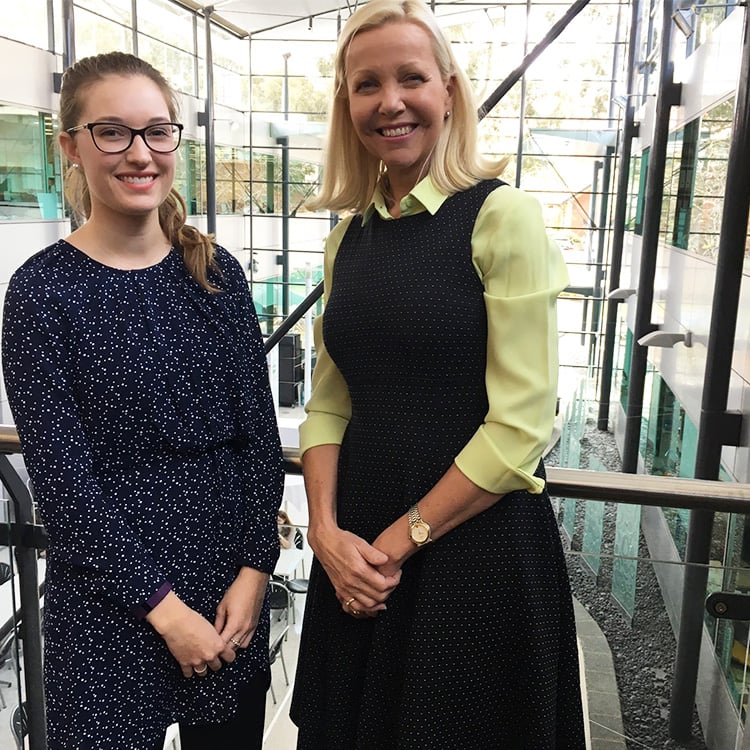
Curtin University researcher Belinda Cuomo is one of the first recipients of a CoLab Top-Up Scholarship.
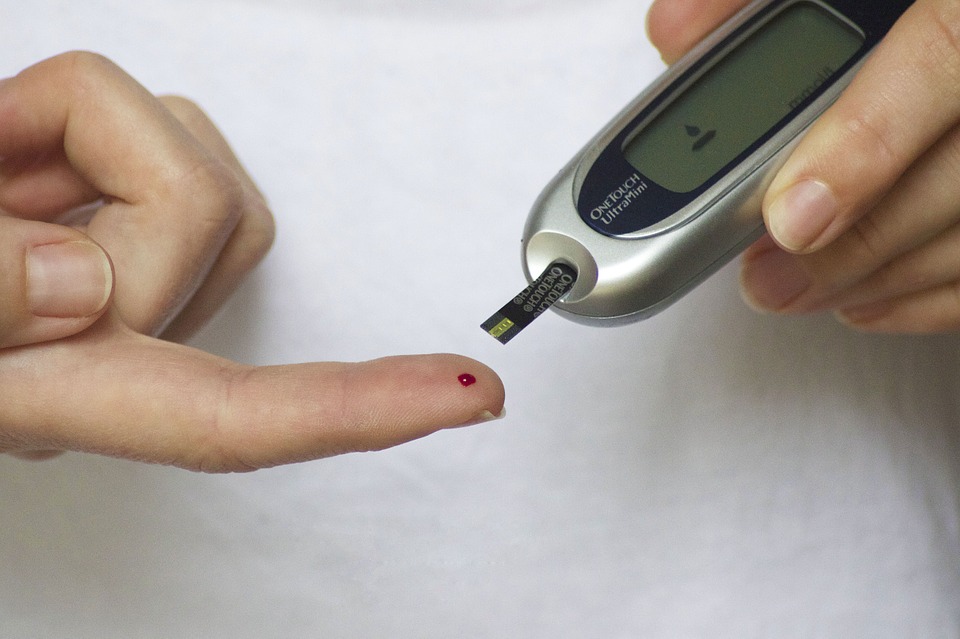
Researchers from the Children’s Diabetes Centre have had a lead role in a global adolescent Type 1 Diabetes study.
The Angela Wright Bennett Foundation has made a $250,000 donation to autism research being led by Andrew Whitehouse at The Kids Research Institute Australia. Read more.