
Search
Showing results for "mental health aboriginal"
Several studies suggest that maternal folic acid supplementation before or during pregnancy protects against childhood acute lymphoblastic leukaemia (ALL).
Our results show that canola biodiesel exhaust exposure elicits inflammation and reduces viability of human epithelial cell cultures in vitro when compared...
Our objective was to describe the epidemiology, clinical features, health care resource use, treatment and outcomes of multidrug-resistant tuberculosis...
Although neurocognitive, psychological and behavioural problems were noted for some patients during medical review, only 20% of patients were formally assessed.

Research focussed on identifying which children will develop asthma, and developing more specific asthma treatments, has been supported by the National Health and Medical Research Council’s (NHMRC) Ideas Grants announced by the Federal Government on 14 December 2022.

The AERIAL study, in partnership with The ORIGINS Project, endeavours to understand if exposures during pregnancy and early life can affect the cells lining the airways in newborns, and whether this is associated with the development of wheeze, allergy and asthma later in childhood.
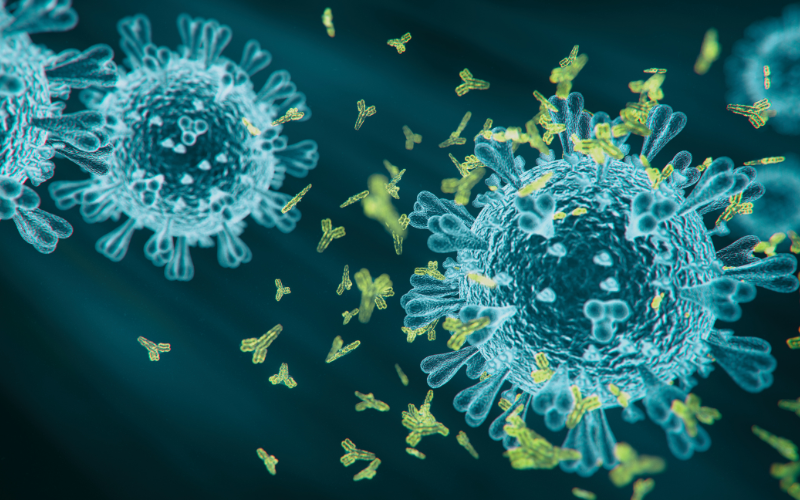
Results of an innovative clinical trial led by Perth researchers have shown that the drug interferon could help reduce the spread of COVID-19 from a positive person to their household contacts, with the study helping to inform treatment options for a future pandemic.
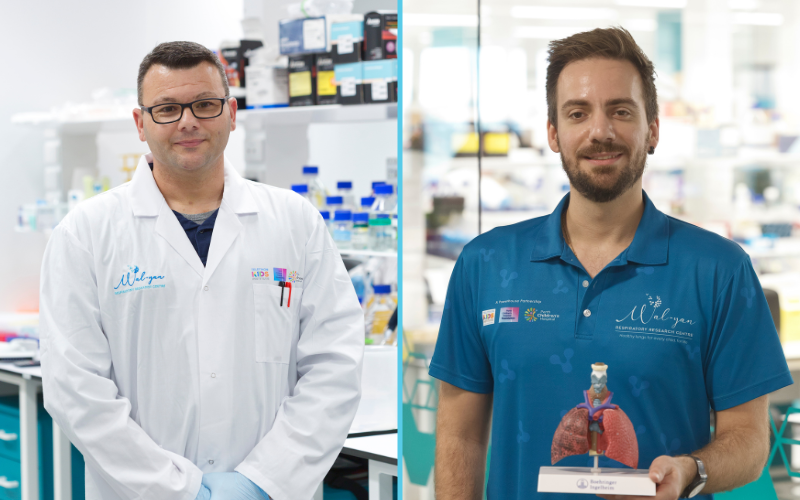
New funding from the Stan Perron Charitable Foundation will support research into innovative treatments for antibiotic-resistant infections and asthma in children, led by Wal-yan Respiratory Research Centre researchers.

In 2014, Wesfarmers committed $5 million over 4 years to The Kids' research to set up the Wesfarmers Centre of Vaccines and Infectious Diseases.
Technology use in type 1 diabetes (T1D) is impacted by socioeconomic status (SES). This analysis explored relationships between SES, glycemic outcomes, and technology use.